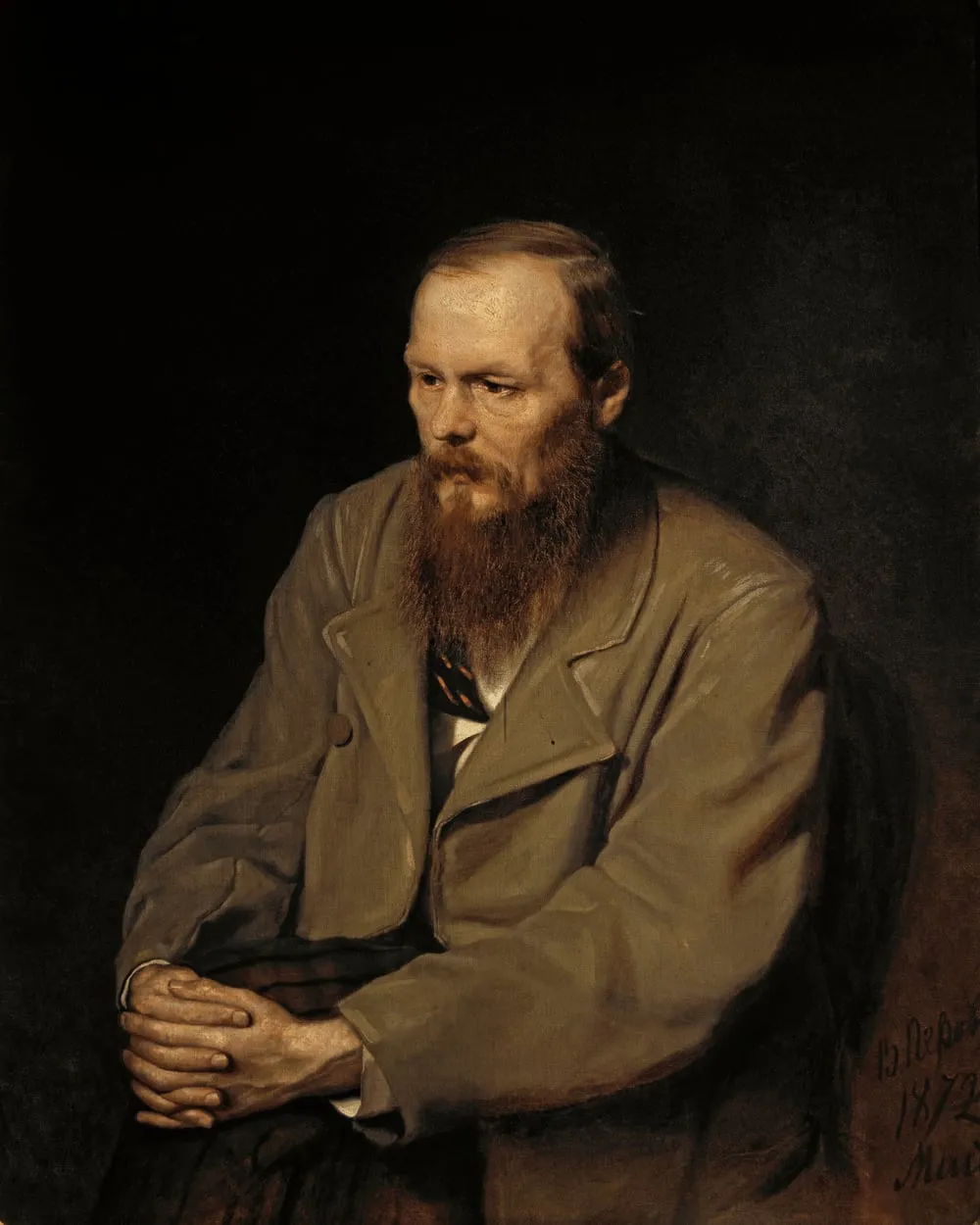
Russia Who is Fyodor Dostoyevsky?
Fyodor Mikhaylovich Dostoyevsky was one of the greatest novelists of all time, a Russian writer whose works are celebrated for their deep psychological insights into the human condition. Born on November 11, 1821, in Moscow, Russia, Dostoyevsky’s life was marked by turbulent personal experiences and profound literary achievements.
He grew up as the second of seven children in a family of modest means. His father, Mikhail Andreyevich Dostoyevsky, was a military surgeon who later became an estate manager for a wealthy landowner. Fyodor’s mother, Maria Dostoyevskaya, died when he was 18 years old, and his father followed soon after under mysterious circumstances that some speculate may have involved violence or even murder.
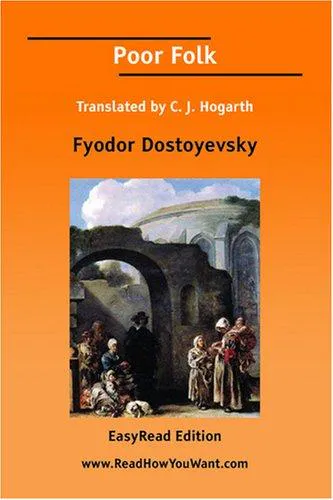
Dostoyevsky’s early experiences had a profound impact on his writing. He attended the Military Engineering-Technical University in St. Petersburg but left to pursue literature full-time. His debut work, Poor Folk, was published in 1846 and earned him critical acclaim. However, he soon became involved with radical political circles, which led to a harsh punishment: four years of labor camps followed by military service.
After his release from exile, Dostoyevsky returned to St. Petersburg and began writing novels that would become classics of world literature. In 1866, he published Crime and Punishment, a deeply psychological exploration of guilt and redemption through the eyes of a troubled young man named Raskolnikov. This was followed by other masterpieces such as The Idiot (1869) and The Brothers Karamazov (1880).
Dostoyevsky’s personal life was equally tumultuous. He married Maria Issakievna Isayeva in 1857, but she died shortly after their marriage. In the late 1860s, he wed Anna Grigorevna Snitkina, who became a critical support and collaborator throughout his later career. They had four children together, though only two survived into adulthood.
Fyodor Dostoyevsky died on January 28, 1881, in St. Petersburg from a seizure that ended his life at the age of 59. His work continues to resonate with readers and scholars around the world for its profound understanding of human nature, moral dilemmas, and existential struggles.