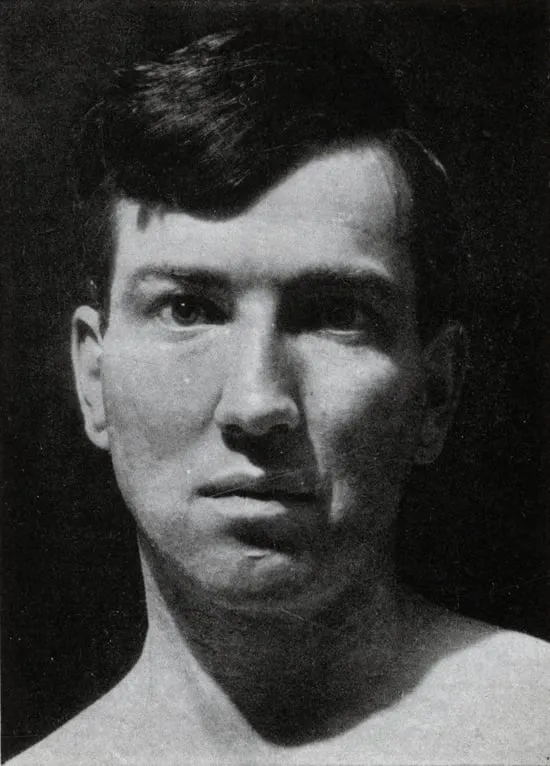
United Kingdom Who is Robert Graves?
Robert Von Ranke Graves, commonly known as Robert Graves, was a towering figure in twentieth-century literature whose prodigious output ranged from poetry to historical novels and mythological studies. Born on July 24, 1895, in Wimbledon, London, he came of age during an era marked by world wars and cultural upheavals.
Graves was born into a family with strong literary connections; his father, Alan Graves, was a journalist, and his brother Philip also pursued a career as a writer. Growing up on the edge of Windsor Great Park, Robert’s early life was enriched by nature walks that nurtured his poetic sensibilities. Despite being educated at prestigious institutions such as King’s College School and St John’s College, Oxford, Graves’ path to literary prominence began with his involvement in the London literary scene during World War I.
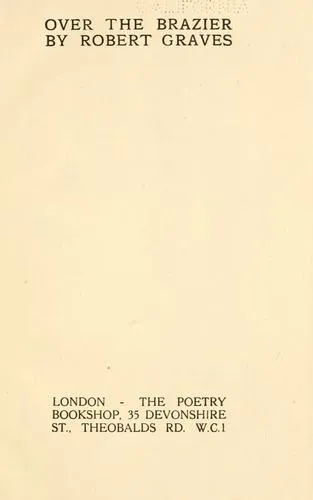
His career soared with the publication of his first collection of poems, Over the Brazier, in 1916. However, it was his work as a soldier and poet during World War I that truly launched him into public consciousness. The war left an indelible mark on Graves’ psyche and fueled much of his later writing, most notably in his memoir Goodbye to All That, published in 1929.
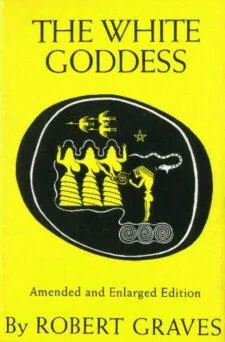
In the 1930s and beyond, Graves expanded his literary horizons. He became known for his translations and scholarship on ancient myths, particularly with The White Goddess: A Historical Grammar of Poetic Myth (1948), which posited that poets are inspired by a triple-aspected goddess embodying poetry, language, and nature. This work was influential in the study of comparative mythology.
Graves’ personal life was complex and rich with relationships. He married twice: first to Nancy Nicholson in 1920, whom he divorced after ten years; then to Beryl Pritchard in 1936, a union that lasted until his death. Together they had nine children, including Lucia Graves, Tomás Graves, Jennifer Graves, David Graves, Catherine Graves, Samuel Graves, William Graves, Juan Graves, and another child who passed away at birth.
Robert Graves died on December 7, 1985, in Majorca, Spain, where he had spent the latter part of his life. His legacy is one of a prolific writer whose work spans multiple genres but is most celebrated for its deep engagement with myth and history. Today, his writings continue to influence scholars and artists alike.