-
01
Jean Marie Le Pen’s personal fortune was estimated at over 3 million euros.
-
02
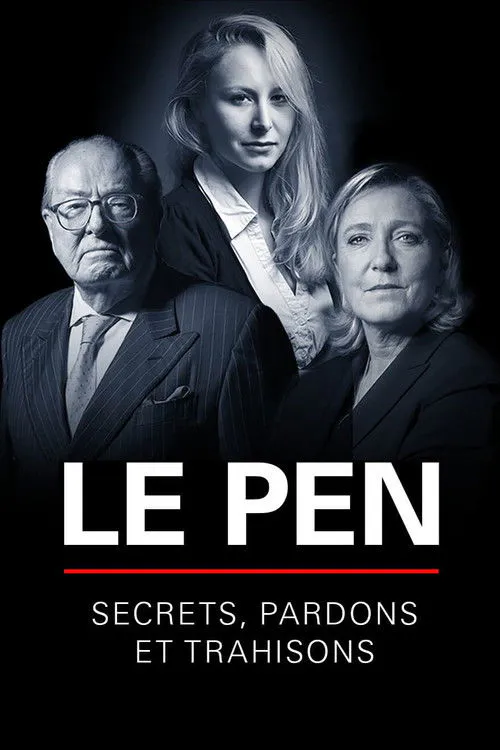
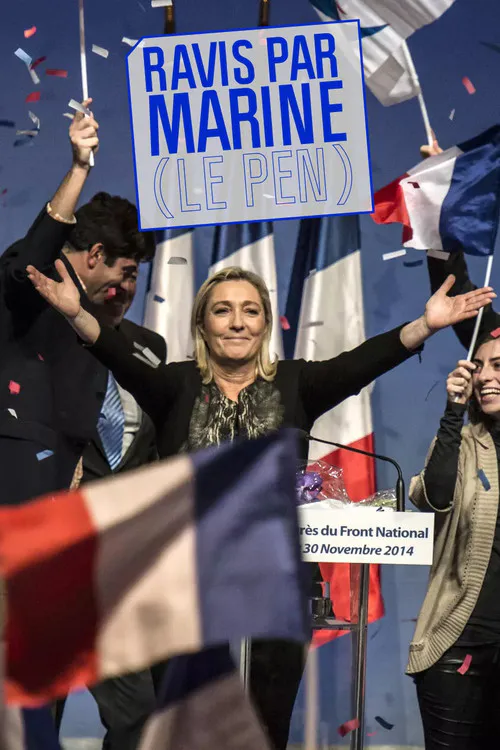
He has three daughters and three sons-in-law involved in political life: Marie-Caroline born 1960 married to Philippe Olivier, both tied to the MNR; Jany married to Samuel Maréchal, involved with the FN; and Marine Le Pen born 1968 married to Franck Chauffroy, judicial service director of the FN.
-
03
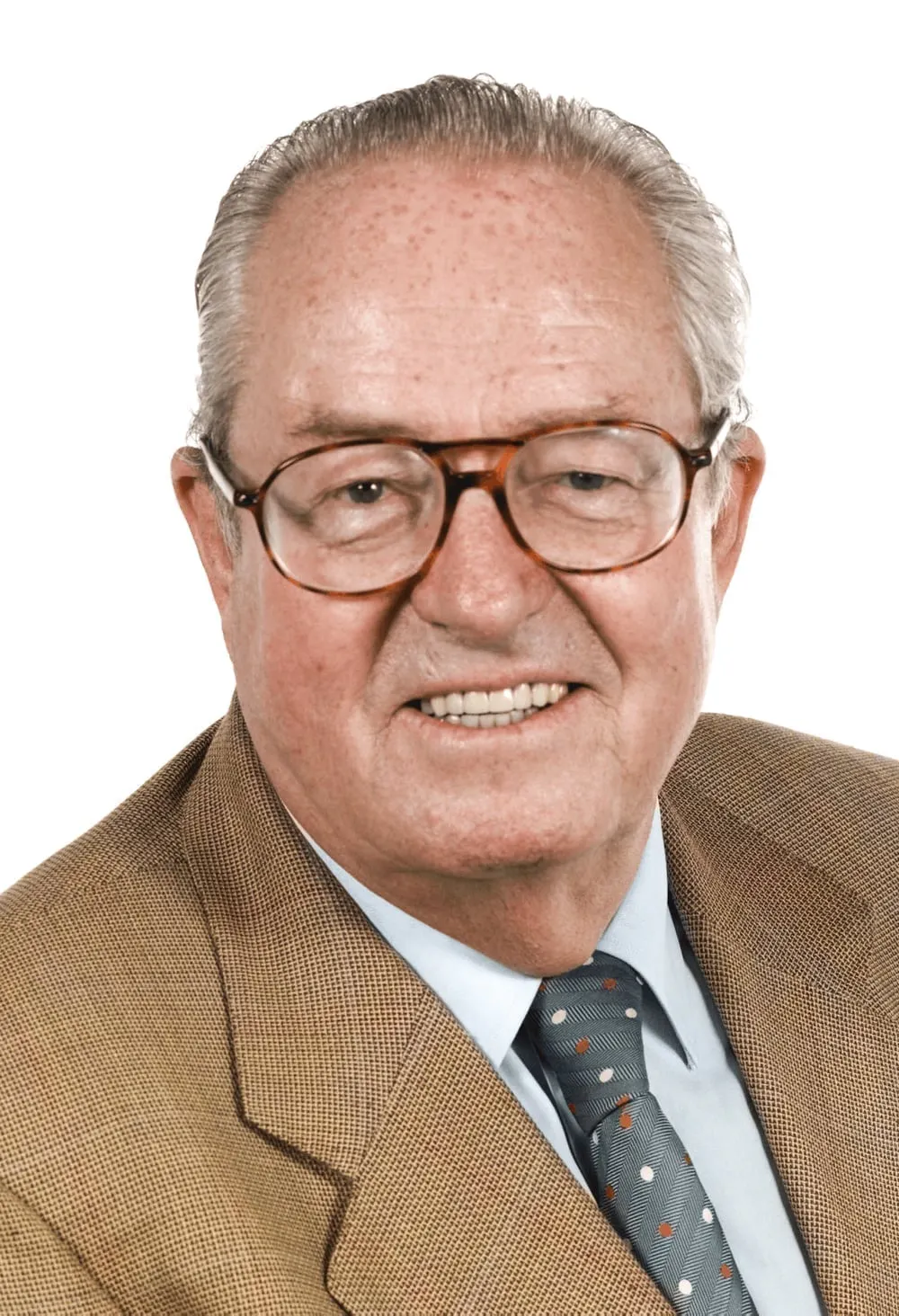
He served as president of the French right-wing extremist party FN from 1972 to 2011.
-
04
He was the founder and former leader of the French far-right political party FN Front National.
-
05
His look-alike puppet appeared on the French show Les Guignols de l’info 1988.
-
06
His second-place finish in the first round of the 2002 presidential election with 16.86% of the vote caused national and international outcry, as it was the first time a far-right extremist reached the second round; he later lost to Jacques Chirac.
-
07
He served as an officer with the French Foreign Legion’s 1st Parachute Regiment in the 1950s.
-
08
Jean-Marie Le Pen focused on immigration, the European Union, traditional culture, law and order, and France’s high unemployment; his rise in the 1980s is called lepénisation of minds for its impact on mainstream opinion.
-
09
After earning his law degree, he enlisted in the Foreign Legion, arriving in French Indochina after the 1954 battle of Dien Bien Phu and later sent to Suez in 1956 after the cease-fire.
-
10
Le Pen was nicknamed the Menhir due to his granitic nature and connection to France’s Celtic origins.
-
11
He studied political science and law at Panthéon-Assas University; his 1971 graduate thesis co-authored with Jean-Loup Vincent was titled Le courant anarchiste en France depuis 1945.
-
12
He supported reinstating the death penalty in France.
-
13
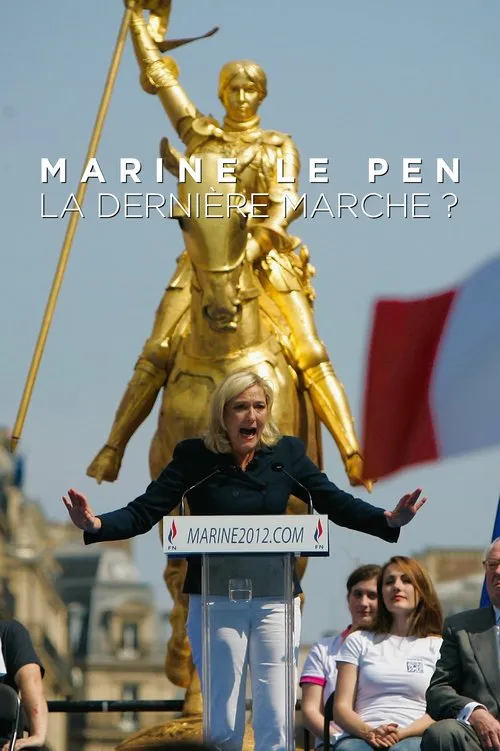
He was honorary president of the National Front from 2011 to 2015, then expelled by his daughter Marine Le Pen in 2015 after controversial statements.