-
01
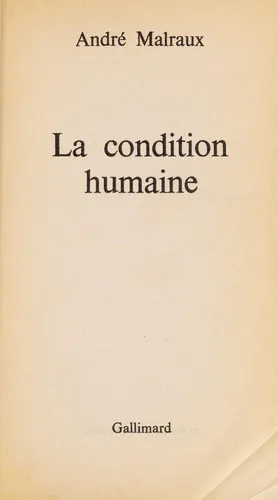
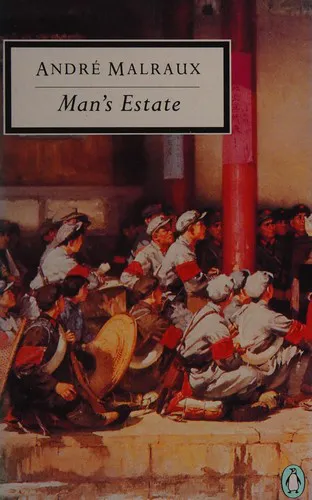
His novel Man’s Fate was once scheduled to be filmed by MGM, directed by Fred Zinnemann, but was abruptly canceled.
-
02
Malraux served as the French Minister of Cultural Affairs from January 8, 1959 to June 20, 1969.
-
03
His daughter Florence assisted Truffaut on Jules and Jim and Alain Resnais on several films, marrying Resnais in 1969 after tensions between her father and the New Wave over Henri Langlois.
-
04
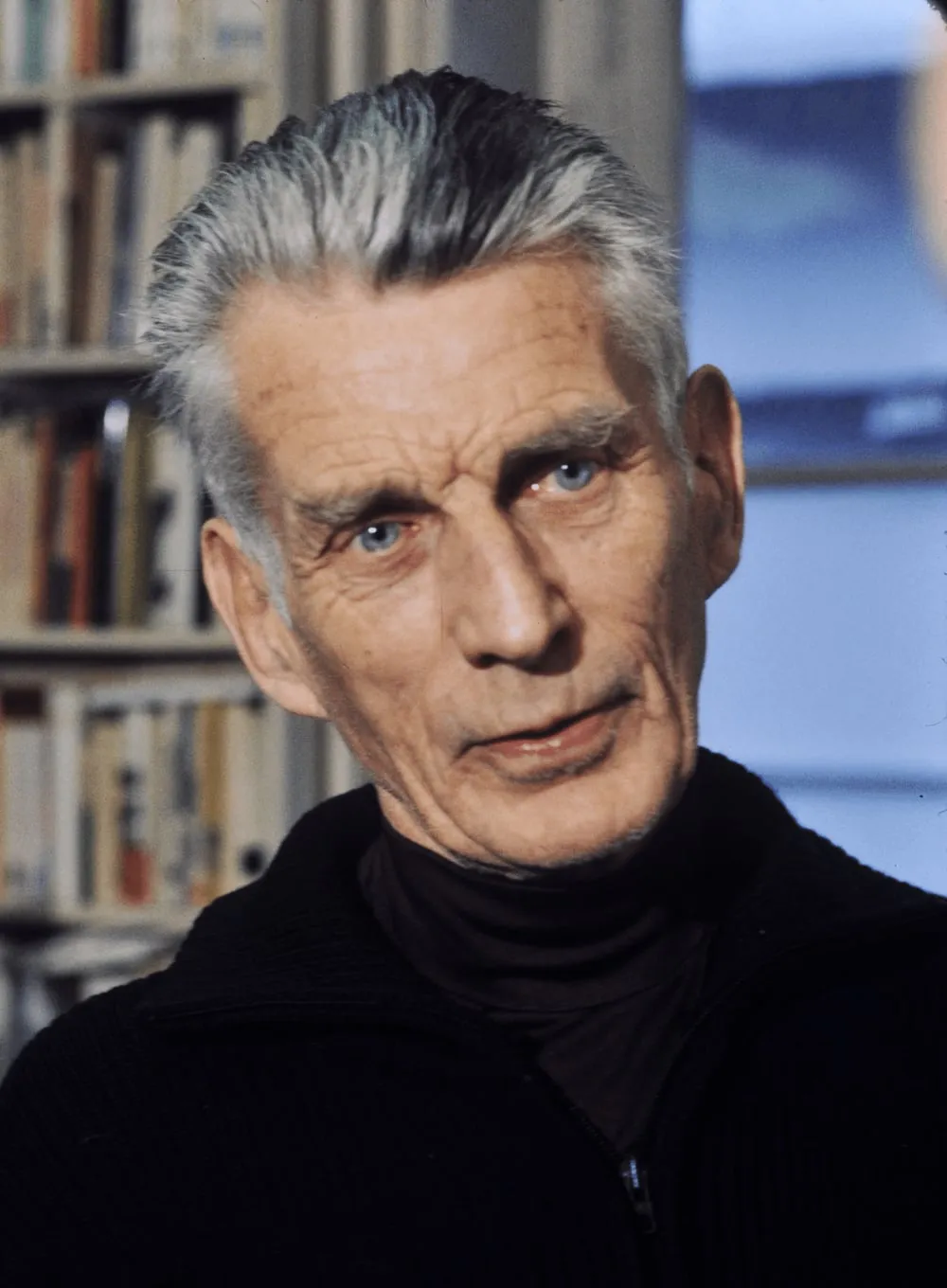
Malraux was nominated for the Nobel Prize in Literature 32 times and was an annual contender in the 1950s and 1960s, but never won. In 1969 he was the main candidate along with Samuel Beckett, but political reasons blocked his award.
-
05
In recognition of his contributions, his ashes were moved to the Panthéon in Paris in 1996, on the twentieth anniversary of his death.
-
06
By age twenty, Malraux was reading Friedrich Nietzsche, whose theory of the Übermensch became a major influence, emphasizing the heroic individual’s will to triumph.
-
07
At the start of World War II, Malraux joined the French Army, was captured in 1940 during the Battle of France, escaped, and later joined the French Resistance.
-
08
Charles de Gaulle appointed him as information minister from 1945 to 1946 and later as France’s first cultural affairs minister from 1959 to 1969.
-
09
On May 23, 1961, his two sons, Gauthier and Vincent, were killed in a car accident.
-
10
One of the primary feeder schools of the Lycée Français Charles de Gaulle in London is named in honour of André Malraux.
-
11
Malraux’s novel La Condition Humaine Man’s Fate won the Prix Goncourt in 1933.
-
12
From childhood, associates noted marked nervousness and motor and vocal tics. Biographer Olivier Todd suggested in 2005 that Malraux may have had Tourette syndrome, though it remains unconfirmed.
-
13
His father, a stockbroker, committed suicide in 1930 following the stock market crash and Great Depression.
-
14
Malraux was an outspoken supporter of the Bangladesh liberation movement during the 1971 Liberation War and considered joining the struggle; he discussed the situation with Indira Gandhi in Paris in November 1971.
-
15
In 1944, he was captured by the Gestapo. His half-brother Claude, an SOE agent, was also captured and executed at Gross-Rosen concentration camp in 1944.