Early life
Karoliina Vilhelmiina and Aukusti Hellsten named their son Johan Gustaf Hellstén on 27 November 1870 in Koski H.L., Finland. He attended the Helsinki Normal Lyceum and later studied at Imperial Alexander University.
Johan Gustaf Hellstén
5 min read
Reading time
922
Words
Published
18
Awards
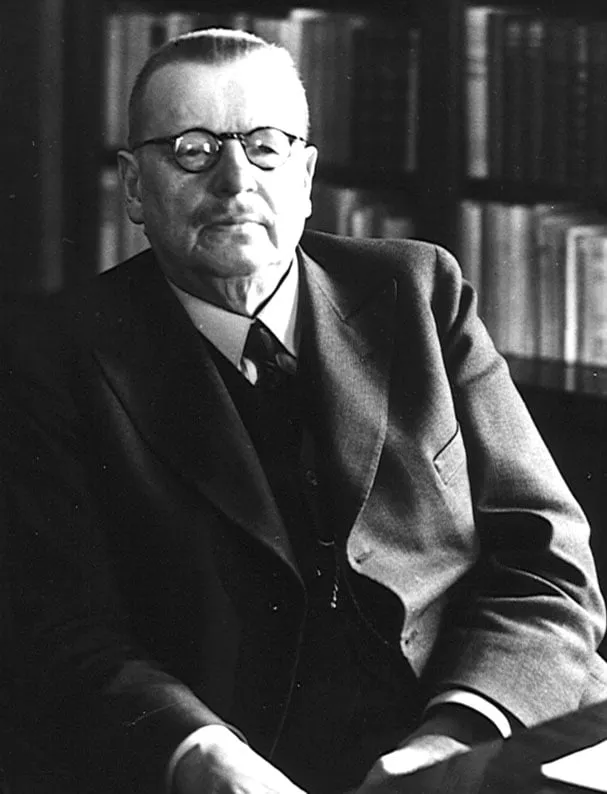
Juho Kusti Paasikivi, born Johan Gustaf Hellstén in 1870, served as the 7th President of Finland from 1946 to 1956. He studied at Helsinki Normal Lyceum and Imperial Alexander University. He was married to Anna Matilda Forsman and later to Alli Paasikivi, and had two children.
Names, aliases, and relatives of Juho Kusti Paasikivi — birth name, kin, and personal ties.
Juho Kusti Paasikivi by the numbers — life, work, and family.
Juho Kusti Paasikivi — early life, career, personal life, and legacy.
Karoliina Vilhelmiina and Aukusti Hellsten named their son Johan Gustaf Hellstén on 27 November 1870 in Koski H.L., Finland. He attended the Helsinki Normal Lyceum and later studied at Imperial Alexander University.
Paasikivi became the 7th President of Finland in 1946 and held the role until his death in 1956. He steered Finland through post-war recovery while keeping the country neutral. He received 18 major awards, including the Order of Lenin from the Soviet Union and the Grand Cross with Collar of the Order of the White Rose of Finland.
Paasikivi married twice: first to Anna Matilda Forsman and later to Alli Paasikivi. He had two children: Annikki Paasikivi and Colonel Juhani Vilhelmi Paasikivi. He lived in Helsinki during his presidency and died there in 1956.
Juho Kusti Paasikivi served as Finland’s 7th president from 1946 to 1956. He steered the country through post-war recovery and kept its independence intact. His honors include the Finnish Olympic Cross of Merit and the Grand Cross with Collar of the Order of the Falcon. His steady leadership defined Finland’s recovery after World War II.
Every award, honor, and recognition received by Juho Kusti Paasikivi — Grammys, hall-of-fame inductions, civic honors, lifetime achievements.
Little-known facts about Juho Kusti Paasikivi — origins, oddities, and behind-the-scenes details from a public life.
Served as the 7th President of Finland from 1946 to 1956.
Quick answers to the questions readers ask most about Juho Kusti Paasikivi.
Celebrities similar to Juho Kusti Paasikivi — same craft, ranked by reach.
🇺🇸 United States

🇺🇸 United States

🇺🇸 United States
🇺🇸 United States

🇰🇷 South Korea
🇬🇧 United Kingdom
🇩🇪 Germany
🇷🇺 Russia

🇩🇪 Germany
🇺🇸 United States
🇺🇸 United States
🇺🇸 United States