-
01
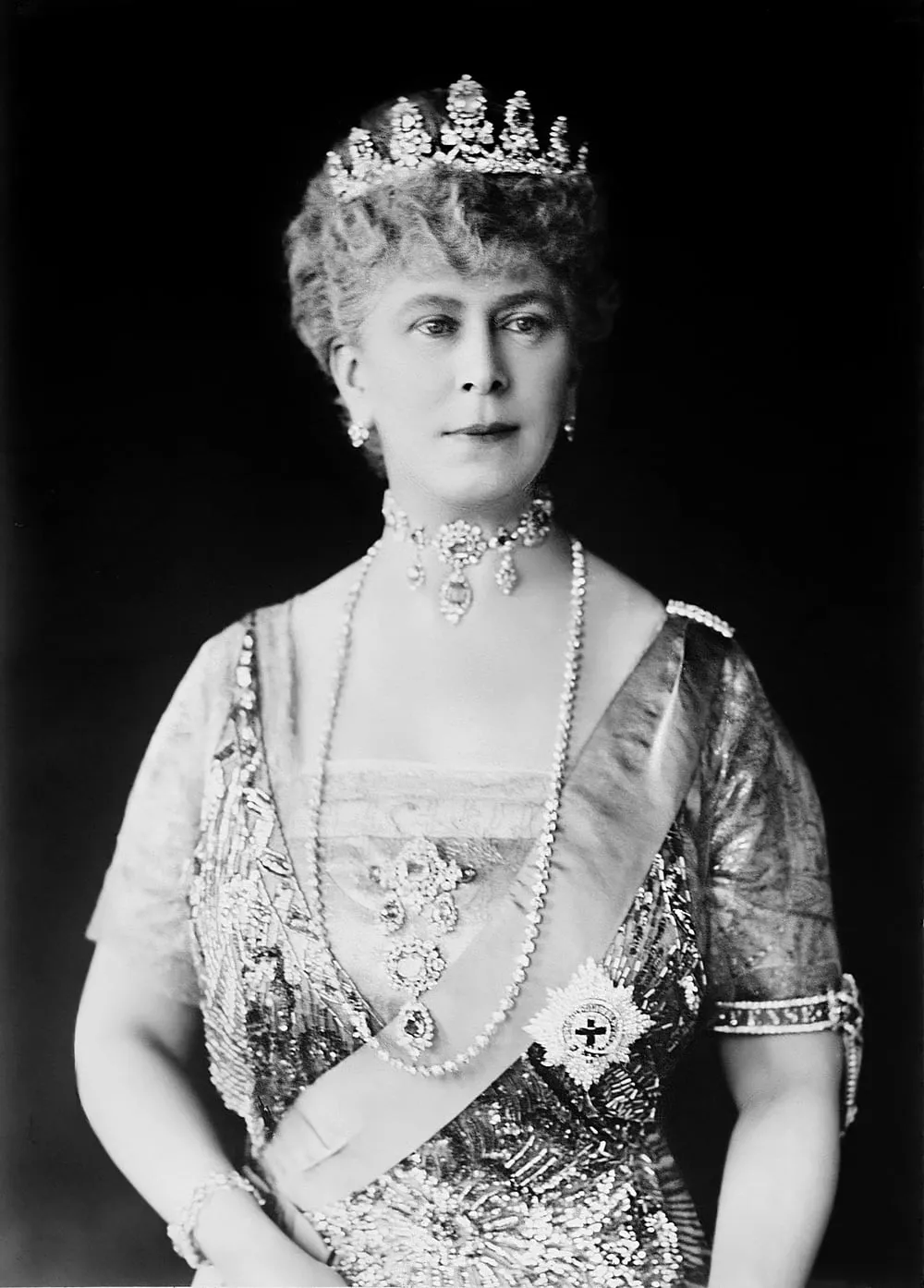
Queen Mary was the mother of six children: Duke of Windsor Edward VIII, King George VI, Princess Mary, Duke of Gloucester, Duke of Kent, and Prince John.
-
02
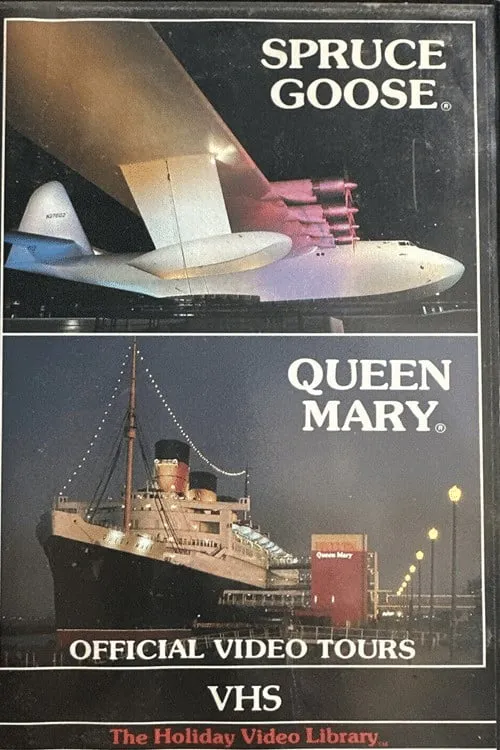
The RMS Queen Mary ocean liner was named for her. She gave a 28-word christening speech, the only public broadcast of her life, due to her intense shyness and devotion to her children.
-
03
Queen Mary was the daughter of Franz Paul Karl Louis von Teck, 1st Duke of Teck, and Princess Mary Adelaide of Cambridge, a granddaughter of King George III known as Fat Mary. She was a great-granddaughter of George III and 3rd cousin once removed to her husband George V.
-
04
Before marrying George V, Queen Mary was engaged to Prince Albert Victor, the heir to the throne, who died of influenza before the wedding. She and his brother Prince George corresponded in their shared grief and fell in love. They had known each other since childhood, and she had attended his birthday parties.
-
05
Queen Mary died of lung cancer, the same disease that killed her son King George VI in 1952. Her death was initially announced as due to gastric problems.
-
06
Months before Queen Elizabeth II’s coronation in 1953, Queen Mary was in poor health but insisted the coronation should not be postponed if she died. She indeed passed away ten weeks before the event.
-
07
Queen Mary made history as the first queen dowager to attend the coronation of a successor, her son George VI in 1937. This broke convention, as crowned kings and queens typically did not attend others’ coronations.
-
08
Queen Mary had three younger brothers: Adolphus, Francis, and Alexander of Teck. Alexander served as Governor General of South Africa and Canada.
-
09
As wife of George V, Queen Mary was queen consort from 1910 to 1936. She was queen mother to Edward VIII and George VI from 1936 to 1953. Born Princess Mary of Teck, she acquired titles Duchess of York from 1893 and Princess of Wales from 1901.
-
10
Queen Mary was niece to Prince George and Princess Augusta of Cambridge.
-
11
She was sister-in-law to Princess Alice.
-
12
Queen Mary’s Lady-in-Waiting, Mabell Countess of Airlie, was grandmother of David Ogilvy, 13th Earl of Airlie.
-
13
Queen Mary was the first British queen consort to be a British subject by birth since Catherine Parr, queen of Henry VIII from 1543 to 1547.
-
14
Queen Mary lived to see the start of her granddaughter Elizabeth II’s reign, making her a rare queen grandmother. For over a year, three queens were alive: Queen Mary, Queen Elizabeth the Queen Mother, and the reigning Queen Elizabeth II.