 Italy
Italy Who is Natalia Ginzburg?
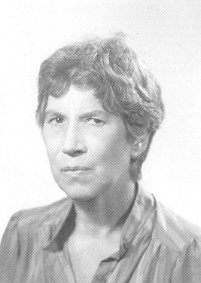
Natalia Levi Ginzburg, born on July 14, 1916, and passing away on October 7, 1991, was a significant literary and political voice of Italy. She is remembered not only for her poignant novels and essays but also for her activism within the Italian Communist Party.
Ginzburg’s early life was marked by intellectualism and privilege. Born into the illustrious Levi-Tanzi family in Turin, she was the daughter of Giuseppe Levi, a renowned histologist who taught at the University of Turin. Her childhood was steeped in culture and academia; her father’s circle included many intellectuals who would become influential figures in Italian science and literature.
After studying in Turin, Ginzburg began her literary career during the tumultuous period of World War II. Despite the challenges posed by the war and its aftermath, she became a prominent voice among post-war Italian writers. In 1940, she married Leone Ginzburg, who was also an influential figure in Italy’s cultural landscape. Together they faced political persecution under Mussolini’s regime, with Leone being imprisoned for his anti-fascist activities.
Ginzburg’s career reached new heights after the war as she gained recognition not only as a novelist but also as an essayist and translator. Her book “Nessuna parte della terra” (1963) is considered one of her most significant works, exploring themes of memory and loss through the lens of personal experience.
Her political activism was closely tied to her literary work. A member of the Italian Communist Party, Ginzburg’s writings often reflected her socialist ideals and critique of capitalism. However, she distanced herself from hardline communist rhetoric as time went on, advocating for a more humanistic interpretation of socialism.
In her personal life, Ginzburg was married twice: first to Leone Ginzburg, who died in 1945 due to torture sustained during his imprisonment, and then to Gabriele Baldini. She had two children with Leone—Carlo and Andrea—who both went on to have distinguished careers of their own.
Ginzburg’s legacy is multifaceted, encompassing her contributions to Italian literature and politics as well as her influence on the next generation of writers and thinkers. Her work continues to be studied for its deep exploration of human relationships and societal issues in post-war Italy.
Common Questions
What was Natalia Ginzburg's birth name?
Natalia Ginzburg was born as Natalia Levi, changing her surname upon marriage.
Who were some of the key influences on Natalia Ginzburg during her childhood?
During her formative years in Turin, Ginzburg was influenced by her father Giuseppe Levi and his circle of intellectuals who were part of Italy's scientific and literary elite.
What is one of Natalia Ginzburg's most notable works?
Nessuna parte della terra, published in 1963, is considered one of her most significant contributions to Italian literature.
How did World War II affect Natalia Ginzburg and her family?
World War II had a profound impact on the Ginzburgs. Leone was imprisoned for his anti-fascist activities, and they faced persecution under Mussolini's regime.
What political party was Natalia Ginzburg associated with?
Ginzburg was a member of the Italian Communist Party, though her views evolved over time to embrace a more humanistic interpretation of socialism.
How many children did Natalia Ginzburg have?
Natalia Ginzburg had two children—Carlo and Andrea—with Leone Ginzburg.