Early life
Antonio Togliatti named his son Palmiro Michele Nicola Togliatti at his birth in Genoa, Liguria, Italy, on 26 March 1893.
He studied at the University of Turin. He had one sibling, Eugenio Giuseppe Togliatti.
Palmiro Michele Nicola Togliatti
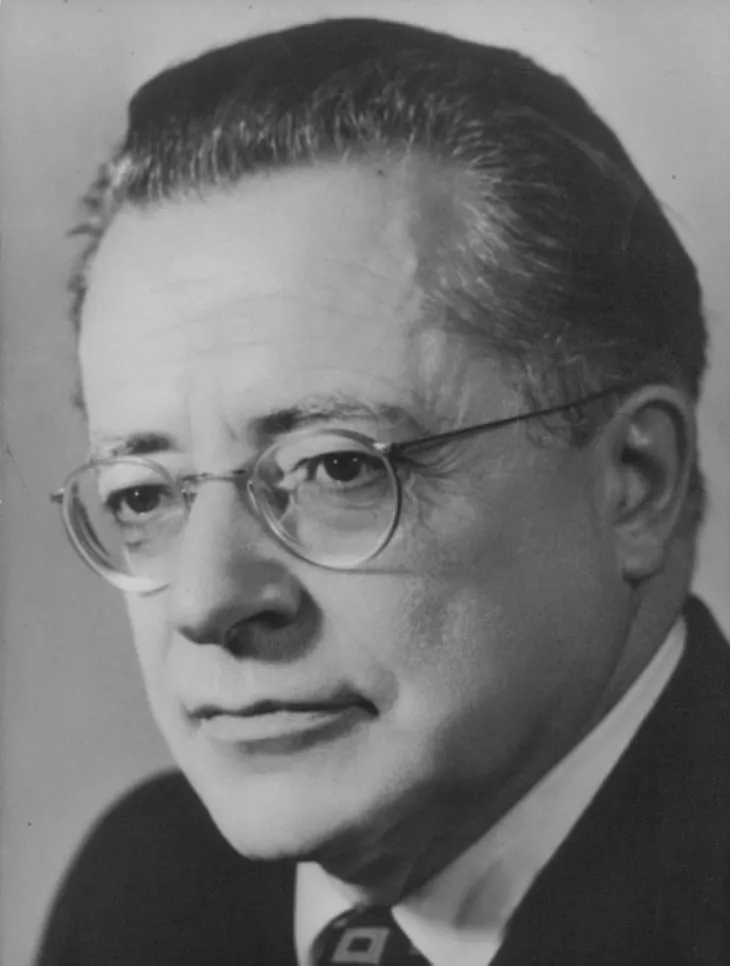
4 min read
Reading time
675
Words
Published
Palmiro Togliatti served as General Secretary of the Italian Communist Party from 1927 until his death in 1964. He was born in Genoa, Italy in 1893 and died in Yalta, USSR in 1964. He studied at the University of Turin and had two children, Aldo Togliatti and Marisa Malagodi.
Names, aliases, and relatives of Palmiro Togliatti — birth name, kin, and personal ties.
Palmiro Togliatti by the numbers — life, work, and family.
Palmiro Togliatti — early life, career, personal life, and legacy.
Antonio Togliatti named his son Palmiro Michele Nicola Togliatti at his birth in Genoa, Liguria, Italy, on 26 March 1893.
He studied at the University of Turin. He had one sibling, Eugenio Giuseppe Togliatti.
Palmiro Togliatti took over as General Secretary of the Italian Communist Party in 1927, holding the post for 37 years until his death in 1964.
In 1962, archive footage of him appeared in the documentary Benito Mussolini: Anatomy of a Dictator.
Togliatti had two children: Aldo Togliatti and Marisa Malagodi. His father was Antonio Togliatti, and his brother was Eugenio Giuseppe Togliatti.
He died on 21 August 1964 in Yalta, Crimean Oblast, Ukrainian SSR, USSR at the age of 71.
Palmiro Togliatti led the Italian Communist Party as General Secretary for 37 years, from 1927 to 1964.
Archive footage in the 1962 documentary Benito Mussolini: Anatomy of a Dictator shows him.
He died in Yalta on 21 August 1964, a 71-year-old leader of Italian communism.
Little-known facts about Palmiro Togliatti — origins, oddities, and behind-the-scenes details from a public life.
General Secretary of the Italian Communist Party from 1927 until his death.
Quick answers to the questions readers ask most about Palmiro Togliatti.
Celebrities similar to Palmiro Togliatti — same craft, ranked by reach.
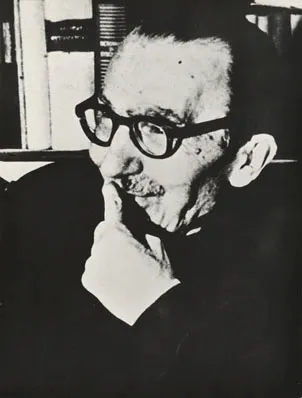
🇬🇷 Greece
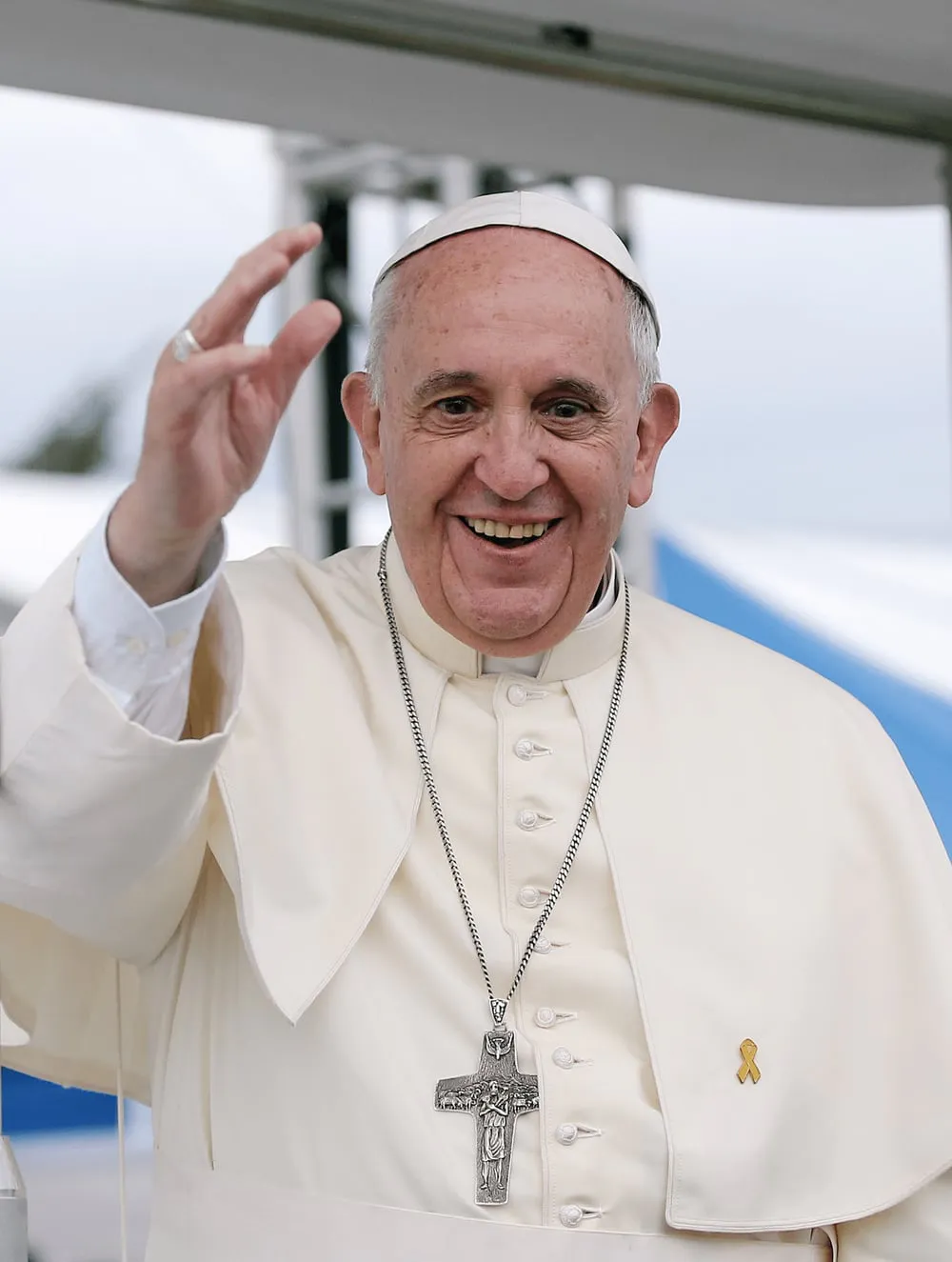
🇦🇷 Argentina
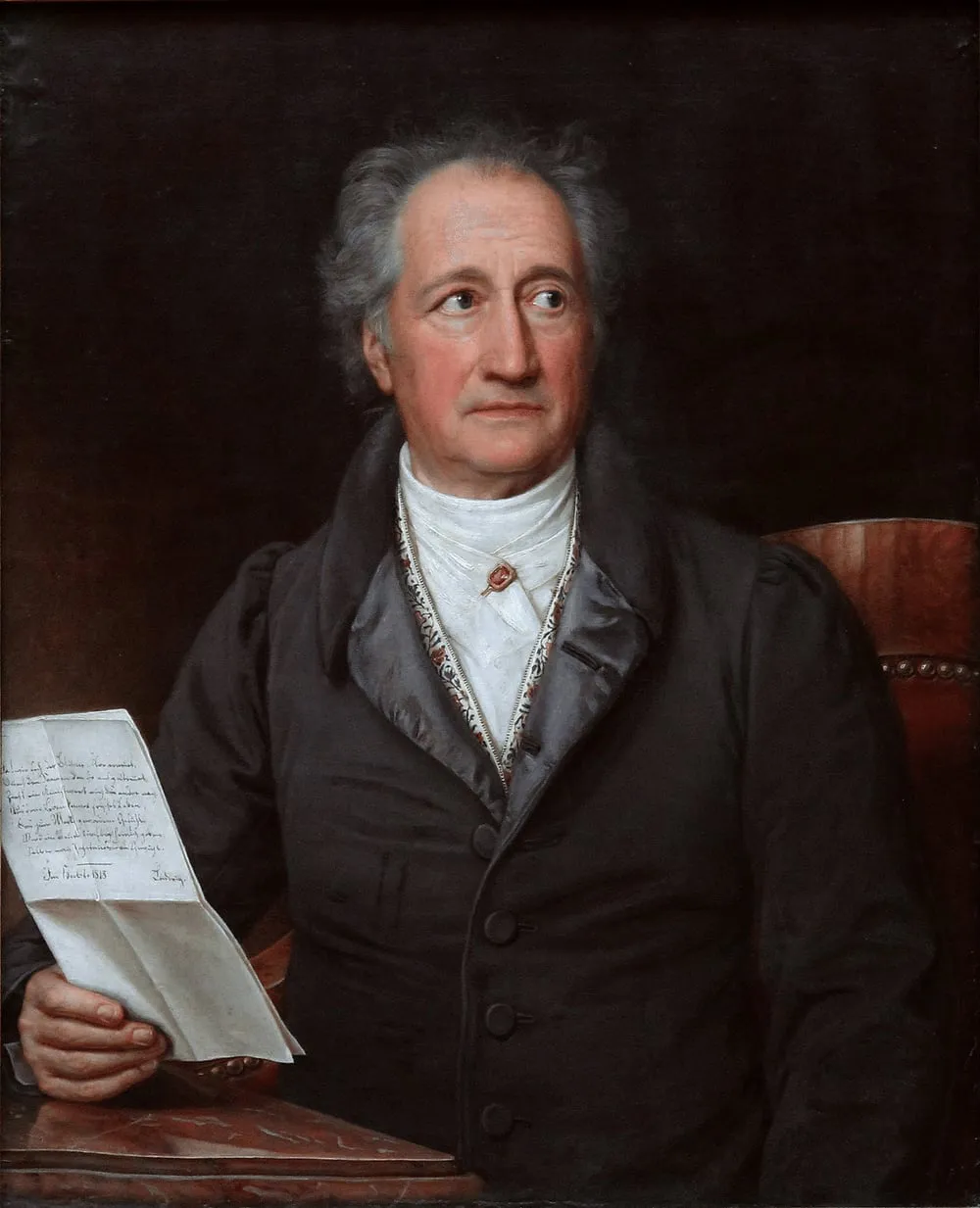
🇩🇪 Germany
🇩🇪 Germany
🇨🇳 China

🇸🇮 Slovenia

🇪🇸 Spain
🇵🇱 Poland
🇩🇪 Germany

🇨🇿 Czech Republic
🇷🇺 Russia
🇨🇿 Czech Republic