Germany Who is Richard Von Weizsäcker?
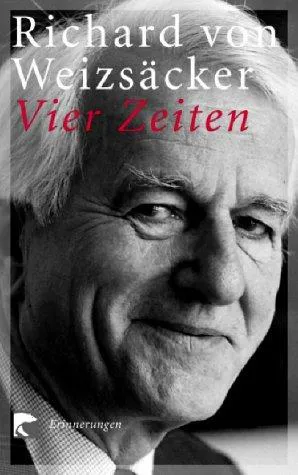
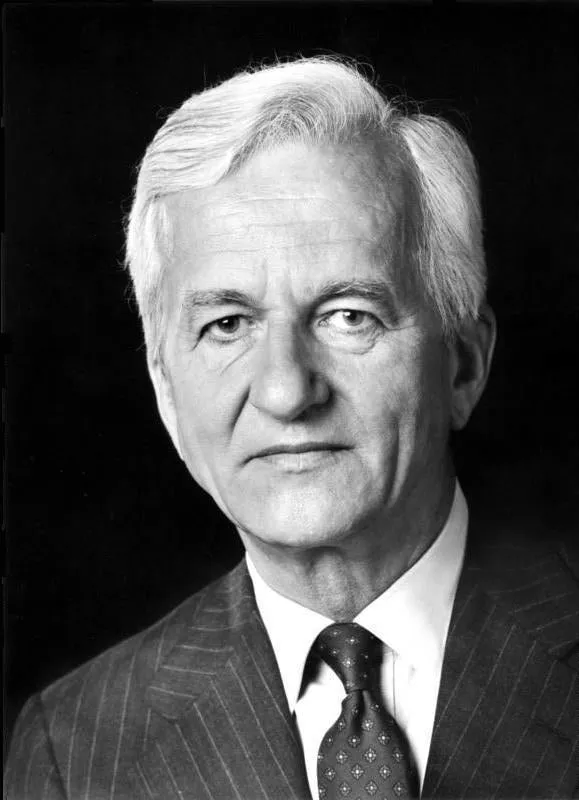
Richard Karl Freiherr Von Weizsäcker (April 15, 1920 – January 31, 2015) was a towering figure in German politics whose leadership during the reunification era helped shape the country’s post-Cold War identity. Born into an aristocratic family with deep intellectual and political roots, Von Weizsäcker navigated his formative years amidst the tumult of World War II.
His father, Ernst Von Weizsäcker, was a diplomat who served in both Nazi Germany and later as West Germany’s ambassador to the United States. Richard’s brother Carl Friedrich was also a prominent physicist and philosopher. After studying law at the University of Göttingen and Balliol College, Oxford, Von Weizsäcker began his career in journalism before entering politics.
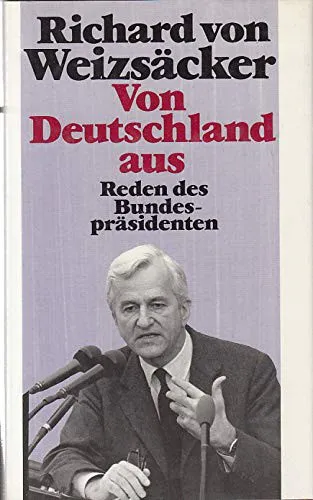
In 1984, he became Germany’s ninth President, succeeding Karl Carstens. During his tenure, Von Weizsäcker played a critical role in the peaceful reunification of East and West Germany, advocating for democracy and human rights. His speech on May 8, 1985, marking the 40th anniversary of World War II’s end, is remembered for its profound reflection on German history and national responsibility.
Von Weizsäcker’s personal life was marked by a long-lasting marriage to Marianne Von Weizsäcker. They were married in 1952 and together had four children: Robert K., Andreas, Beatrice, and Fritz. The family remained central to his identity throughout his political career.
His legacy is that of a statesman who bridged the Cold War divide, promoting reconciliation and democratic values within Germany and beyond. His death in 2015 was mourned by Germans as one of their most respected leaders.