 Spain
Spain Who is Alfonso Xiii?
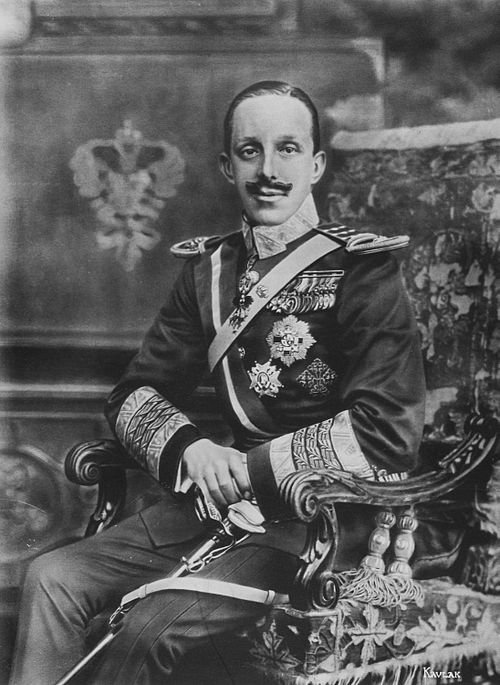
Alfonso XIII de Borbón, King of Spain from his birth on May 17, 1886, until he was forced into exile in 1931, navigated the tumultuous waters of early twentieth-century European politics with a blend of royal duty and personal intrigue. Born to Alfonso XII of Spain and Maria Christina of Austria, Alfonso XIII’s ascension at just three months old set the stage for an eventful reign marked by significant social and political changes.
Alfonso XIII grew up in Madrid’s Royal Palace amidst a period of rapid modernization. His formative years were steeped in both tradition and reform, as his nation grappled with the challenges posed by industrialization and democracy. As a young king, he was deeply influenced by the conservative forces that dominated Spanish politics at the time.
His reign saw Spain navigate World War I while remaining neutral—a decision that preserved national sovereignty but strained international relations. Alfonso XIII’s efforts to modernize the country included significant economic reforms and investments in infrastructure. However, his support for authoritarian regimes abroad and his perceived detachment from domestic issues increasingly alienated him from his subjects.
On a personal level, Alfonso XIII married Victoria Eugenie of Battenberg in 1906; their union produced several children but was also marked by scandal and controversy. Despite being nominated for the Nobel Peace Prize in 1928, Alfonso’s legacy remains contentious due to his support for dictatorship under Primo de Rivera and his role during the Spanish Civil War.
King Alfonso XIII died on February 28, 1941, from angina pectoris. His passing marked the end of a reign that had witnessed profound transformations in Spain’s political landscape, leaving behind a complex legacy that continues to be debated by historians and scholars alike.
Common Questions
When did Alfonso XIII become King?
Alfonso XIII became King on his birth date, May 17, 1886, due to the untimely death of his father, Alfonso XII.
What was a significant political event during Alfonso's reign?
During World War I, Spain remained neutral. This decision preserved national sovereignty but strained international relations with other European powers.
Who were some important figures in Alfonso XIII's personal life?
Victoria Eugenie of Battenberg was his wife and mother to several children including Infanta Beatriz and Infante Gonzalo. He also had relationships outside of marriage, notably with Carmen Ruiz Moragas.
What is the legacy of King Alfonso XIII?
Alfonso's legacy includes modernization efforts and economic reforms but was marred by support for authoritarian regimes and his role during the Spanish Civil War, making him a controversial figure in Spanish history.