 South Africa
 Who is Nelson Mandela?
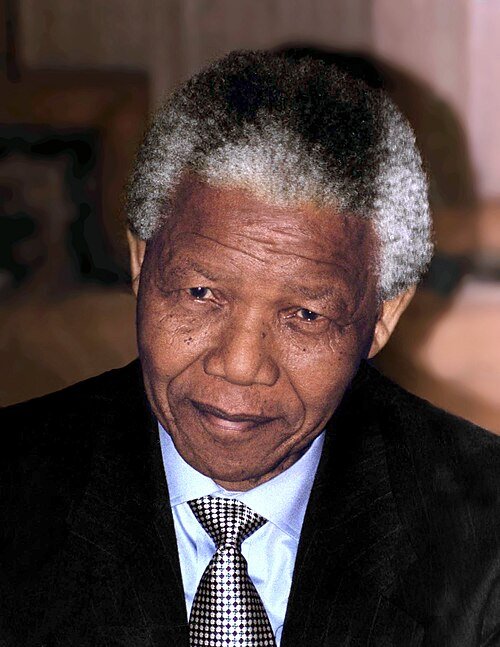
Nelson Rolihlahla Mandela, known affectionately as Madiba by many, is one of the most celebrated figures in modern history. His life spanned nearly a century, from July 18, 1918, to December 5, 2013, and his legacy continues to inspire millions around the globe.
Mandela was born into the Madiba clan in Mvezo, South Africa, a small village on the banks of the Mbashe River. His father, Gadla Henry Mphakanyiswa, was a chief councillor to the paramount chief of the Thembu people and instilled in Mandela a sense of leadership and responsibility from an early age. After his father’s death when Nelson was only nine, he was placed under the guardianship of Chief Jongintaba Dalindyebo, who ensured that Mandela received a proper education.
Mandela’s journey to prominence began at the University College of Fort Hare where he first encountered the racial inequalities and injustices that would define his lifelong struggle. Initially trained as an attorney, Mandela joined the African National Congress (ANC) in 1942 and became increasingly involved in its activities against apartheid. His political activism intensified in the early 1950s when he helped organize the ANC’s Defiance Campaign and was one of the founding members of the South African Communist Party.
Throughout his career, Mandela faced numerous challenges but remained steadfast in his commitment to non-violent resistance until the Sharpeville Massacre of 1960. Following this event, he co-founded Umkhonto we Sizwe (Spear of the Nation), an armed wing of the ANC that sought to engage in guerrilla warfare against apartheid. In 1962, Mandela was arrested and sentenced to life imprisonment for sabotage and conspiracy to overthrow the government.
His incarceration at Robben Island became a symbol of resistance against apartheid worldwide. Despite harsh conditions, Mandela continued his efforts to negotiate with South African authorities while in prison. His release on February 11, 1990, was met with jubilation around the globe and marked the beginning of the end for apartheid. In 1994, after a historic election that saw black South Africans vote freely for the first time, Mandela became South Africa’s first democratically elected president.
Mandela’s personal life was no less remarkable than his public achievements. He married three times and had six children with Evelyn Mase (from 1944 to 1958), Winnie Madikizela-Mandela (from 1958 until their divorce in 1996), and Graça Machel (since 1998). His marriages were marked by both triumphs and tragedies, including the loss of his eldest son Thembekile in a car accident. Despite the challenges he faced at home, Mandela maintained a strong connection with his family throughout his political career.
Mandela’s passing on December 5, 2013, was mourned by people from all walks of life across South Africa and internationally. His legacy is one of reconciliation, democracy, and justice, inspiring countless others to work towards peace and equality in their own countries.
Common Questions
What were some key events in Nelson Mandela's early life?
Born on July 18, 1918, in Mvezo, South Africa, Mandela was raised by his father who instilled a sense of leadership and responsibility. After his father's death when he was nine years old, he was placed under the guardianship of Chief Jongintaba Dalindyebo.
What were some major political achievements of Nelson Mandela?
Mandela became increasingly involved in the African National Congress (ANC) and co-founded Umkhonto we Sizwe. He spent 27 years imprisoned for his anti-apartheid activities before being released on February 11, 1990.
How did Nelson Mandela's marriages influence his life?
Mandela married three times and had six children with Evelyn Mase (from 1944 to 1958), Winnie Madikizela-Mandela (from 1958 until their divorce in 1996), and Graça Machel since 1998. Despite the challenges, his marriages provided support through his political career.
What was Nelson Mandela's impact on South Africa?
Mandela is remembered as a key figure in the fight against apartheid and for his role in transforming South Africa into a democratic nation when he became its first black president in 1994.
How did Nelson Mandela contribute to global peace efforts?
His work towards reconciliation between races, forgiveness of those who oppressed him, and dedication to justice and equality made him a symbol of hope for peace activists worldwide.