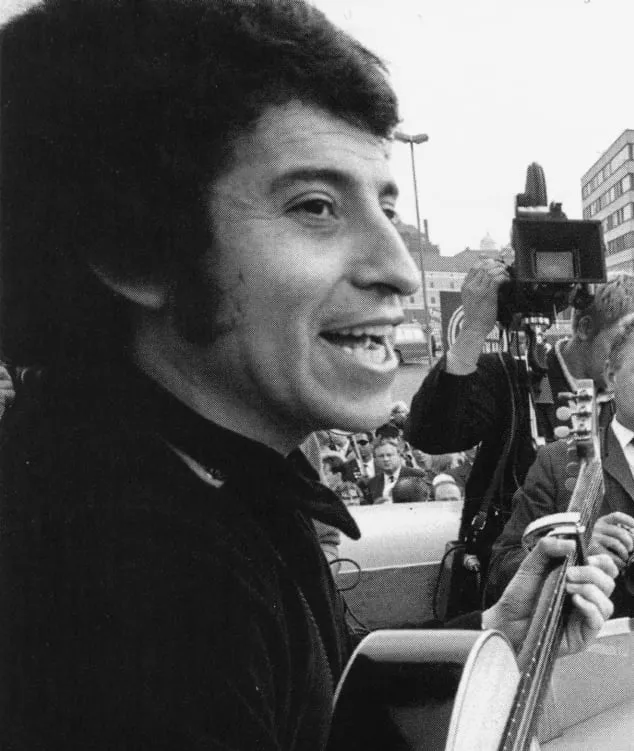
Chile Who is Víctor Jara?
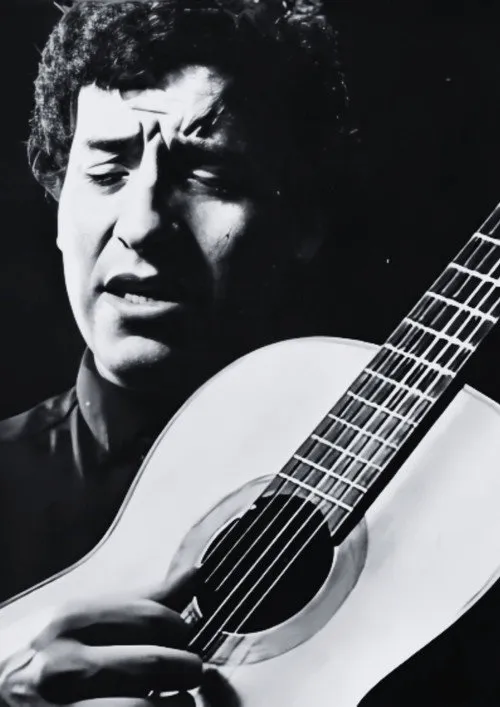
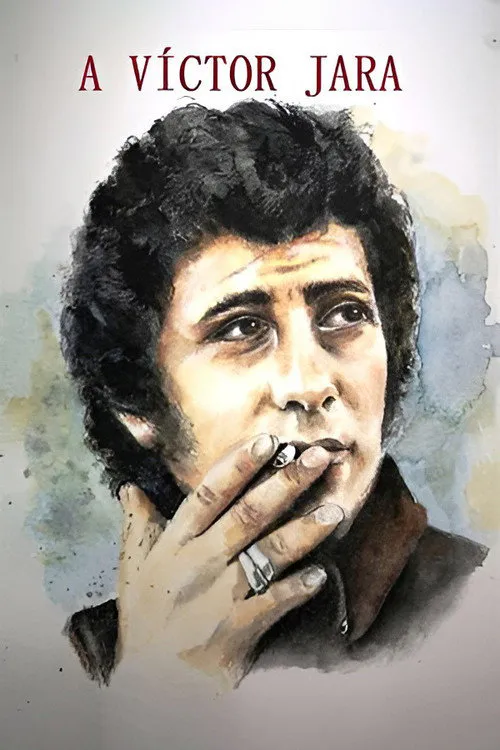
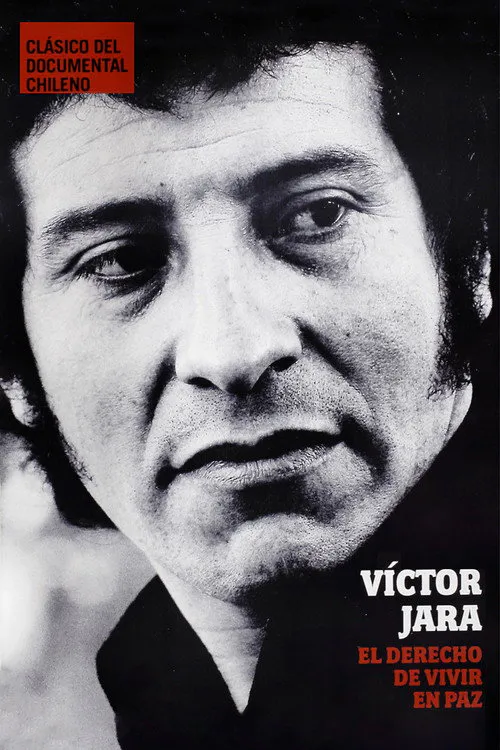
Víctor Lidio Jara Martínez, known widely as Víctor Jara, was a Chilean singer-songwriter who became an icon of resistance against oppression through his socially conscious songs. Born on September 28, 1932, in Lonquén, Chile, Jara emerged from humble beginnings to become one of the most celebrated musicians and cultural leaders of Latin America.
Jara’s formative years were marked by hardship; his father abandoned the family when Víctor was young, leaving him to be raised by his mother Amanda Martínez. Despite these challenges, he excelled in school and developed a passion for music, which would later become an integral part of his identity.
After graduating from secondary school, Jara pursued higher education at the University of Chile, where he studied pedagogy and began his career as a teacher. His involvement with the university’s theater group introduced him to acting and eventually led him into music production, though it was not until the 1960s that he achieved significant recognition for his work in folk music.
His breakthrough came when he joined the New Chilean Song movement, becoming a key figure alongside other influential artists like Violeta Parra. In the late 1960s and early 1970s, Jara released several albums that highlighted social issues and political themes, earning him both acclaim and controversy.
In addition to his musical career, Víctor Jara was deeply involved in politics as a member of the Communist Party of Chile. His activism and artistry were closely intertwined; he used his music to advocate for workers’ rights and the poor. He married Joan Turner Jara, an English teacher, in 1970.
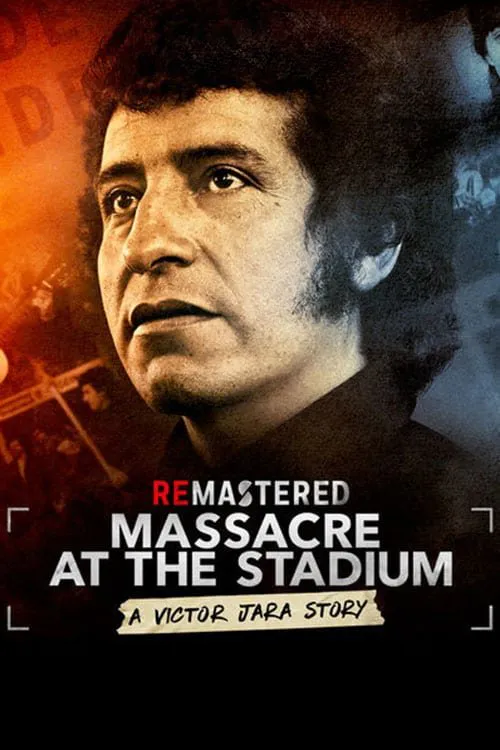
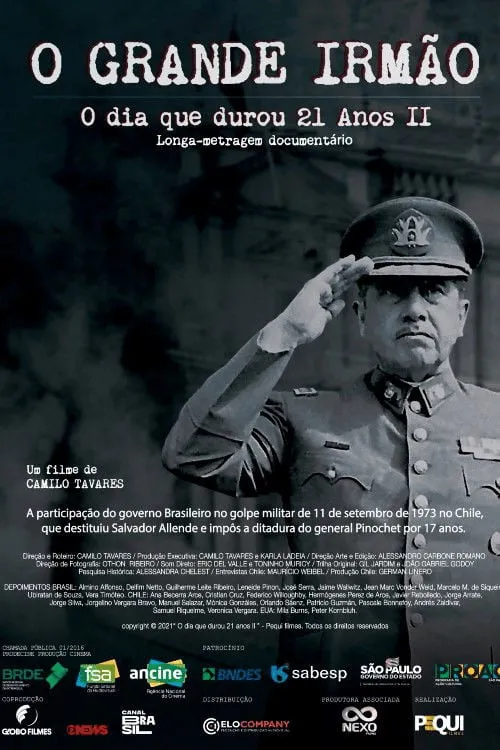
The coup d’état led by Augusto Pinochet on September 11, 1973, dramatically altered the course of Jara’s life. As a result of his political activities and public standing, he was arrested shortly after the military takeover and held in Chile Stadium, where he endured torture before being executed on September 16, 1973.
Despite his untimely death at the age of 40, Jara’s legacy as a symbol of hope and resistance continues to inspire people around the world. His songs have been translated into numerous languages, and his life story has been celebrated in books, films, and theater productions. The Víctor Jara Foundation was established to honor his memory by promoting cultural and social initiatives.