 France
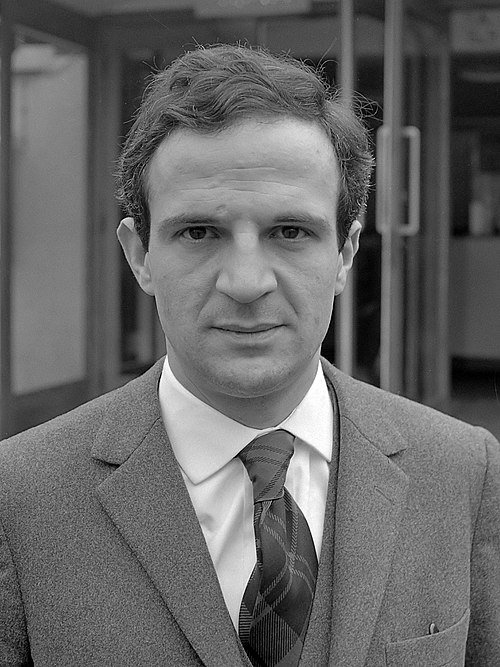
 Who is François Truffaut?
French filmmaker François Roland Truffaut, known for his groundbreaking work as a director during the French New Wave era and beyond, left an indelible mark on cinema that continues to resonate decades after his death from brain cancer in 1984. Born on February 6, 1932, in Paris, Truffaut’s life was marked by both triumphs and struggles, shaping him into one of the most influential figures in world cinema.
Truffaut grew up with a complicated family background; his parents were not together when he was born. After spending time in a Catholic boarding school as a child, he found himself at odds with authority figures, leading to a tumultuous adolescence that saw him involved with juvenile delinquents and the Parisian underworld. His early experiences deeply influenced his future work.
Despite a challenging start, Truffaut’s passion for cinema propelled him into film criticism in the late 1940s. By the early 1950s, he began writing film reviews for Cahiers du Cinéma and became a leading voice of the New Wave movement alongside Jean-Luc Godard. His directorial debut, The 400 Blows (1959), catapulted him into international recognition, winning the Best Director award at the Cannes Film Festival.
Throughout his career, Truffaut directed several critically acclaimed films that explored themes of childhood and adolescence, such as Fahrenheit 451 (1966) and The Last Metro (1980). He also produced works by other directors and continued to write prolifically on cinema. Among his many nominations, Truffaut was nominated for an Oscar in the categories of Best Director and Best Original Screenplay.
In his personal life, François married Madeleine Morgenstern in 1962, and they had two daughters: Éva Truffaut (born 1970) and Laura Truffaut (born 1980). He also maintained a long-term relationship with actress Fanny Ardant. His life and work inspired countless filmmakers to explore the boundaries of narrative cinema.
Truffaut’s legacy continues to influence modern filmmaking, celebrated for his contributions to both French and international cinema. Though he passed away on October 21, 1984, at the age of fifty-two due to complications from a brain tumor, Truffaut’s films remain essential viewing for cinephiles and students of film history alike.
Common Questions
What is François Truffaut known for?
François Truffaut is best known as a pioneer of the French New Wave movement in cinema. He directed numerous influential films such as 'The 400 Blows' (1959) and 'Fahrenheit 451' (1966).
What challenges did François Truffaut face growing up?
Truffaut had a difficult childhood marked by his parents' separation and time spent in Catholic boarding schools. He later delved into juvenile delinquency, experiences that greatly influenced his work.
How many children did François Truffaut have?
François Truffaut had two daughters with Madeleine Morgenstern: Éva (born 1970) and Laura (born 1980).
What is the significance of 'The 400 Blows' in François Truffaut's career?
The 400 Blows was Truffaut's directorial debut and marked his entry into international acclaim. It won him the Best Director award at Cannes Film Festival in 1959.
What are some of François Truffaut’s major film awards?
Truffaut received numerous accolades throughout his career, including an Oscar nomination for Best Original Screenplay and a César Award for Best Original Screenplay for 'Jules et Jim' (1962).