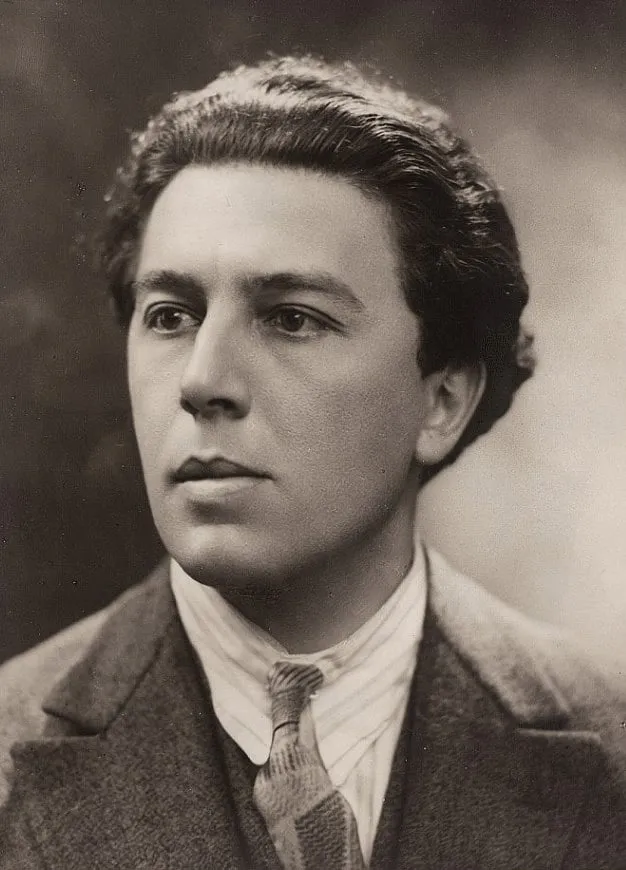
France Who is André Breton?
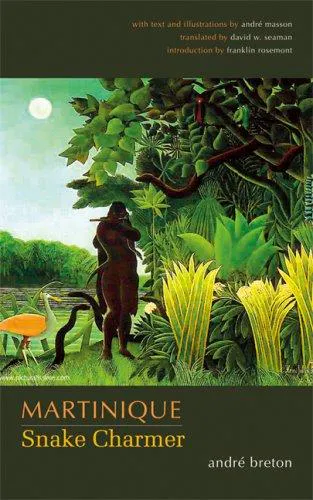
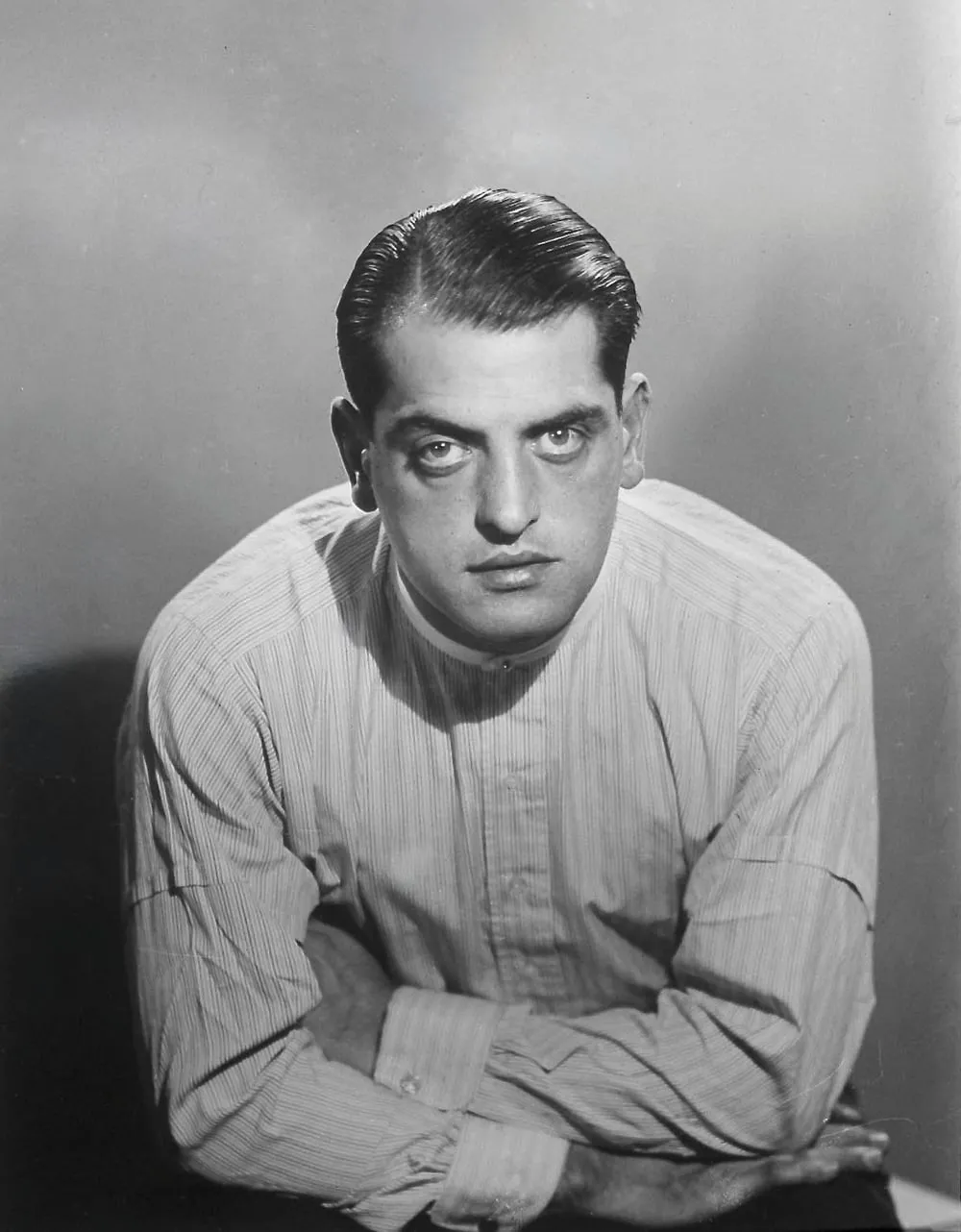
André Robert Breton (February 19, 1896 – September 28, 1966) was the founder of Surrealism, a cultural and intellectual movement that sought to liberate the mind through automatic writing and dream imagery. His work as both a writer and photographer challenged conventional thought in literature, art, and politics.
Born into a modest family in Normandy, France, Breton’s early years were marked by a deep interest in psychiatry and the emerging theories of Sigmund Freud. This fascination led him to study medicine at the Sorbonne, where he later became interested in the potential for art to serve as a means of exploring and expressing the subconscious mind.
After World War I, Breton’s ideas began to take shape more concretely with his involvement in Dadaism. In 1924, he published The Surrealist Manifesto, which outlined the movement’s principles and goals. He went on to edit several key publications including La Révolution surréaliste (The Surrealist Revolution) from 1924 to 1927, significantly influencing the direction of modern art.
Breton was married three times: first to Elisa Breton in 1918; then to Simone Collinet with whom he had a daughter named Aube Elléouët in 1935; and finally to Jacqueline Lamba from 1942 until his death. His personal life often mirrored the tumultuous nature of the political landscape, as evidenced by his membership in the French Communist Party.
His legacy is one of groundbreaking creativity that challenged societal norms and paved the way for a new era in artistic expression. André Breton died on September 28, 1966, leaving behind an indelible mark on modern art and literature.