-
01
After the war, he became a devoted cinephile, viewing up to 20 films each week and keeping a diary on his movie-going.
-
02
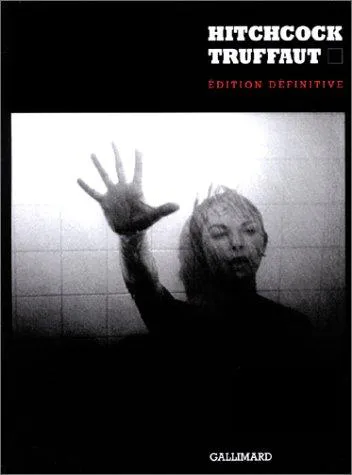
He was a big Alfred Hitchcock fan and defined him as his master.
-
03
Warren Beatty’s first choice to direct Bonnie and Clyde 1967 but he turned it down.
-
04
Had a falling out with Jean-Luc Godard after he believed Godard disparaged the work of others to elevate his own.
-
05
As a teenager, he committed petty theft, acts of violence, and defied authority, leading to disciplinary incarceration.
-
06
He enlisted in the French army in December 1950, hoping to be assigned to the film branch. Instead, he was sent to Germany and then Indochina as an artilleryman. Unhappy, he deserted twice, was caught, sent to a stockade and later an asylum, and was dishonorably discharged in 1952.
-
07
Picking up a hitchhiker once, he started a conversation about movies. When the man had too little knowledge, Truffaut insisted he leave the car.
-
08
Buried in the Montmartre cemetery in Paris, France.
-
09
He acknowledged his unhappy childhood, which is reflected in his films.
-
10
Truffaut regarded his work with Steven Spielberg on Close Encounters of the Third Kind 1977 as a largely positive experience. He claimed it enabled him to communicate with actors more effectively.
-
11
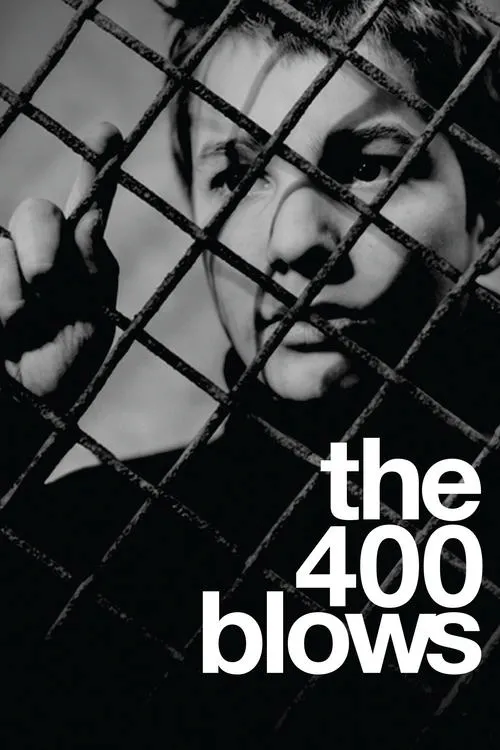
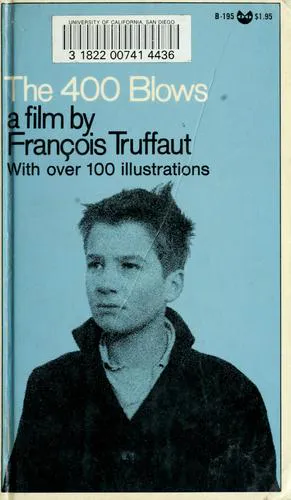
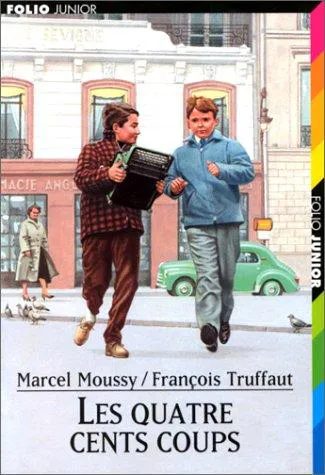
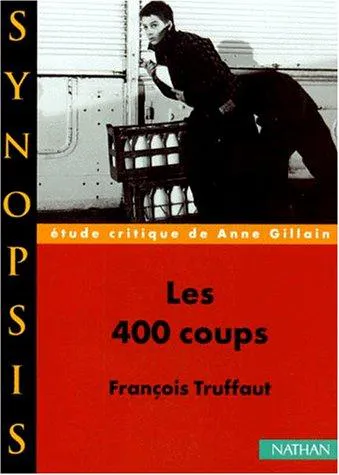
Truffaut described The 400 Blows 1959 as his most personal film.
-
12
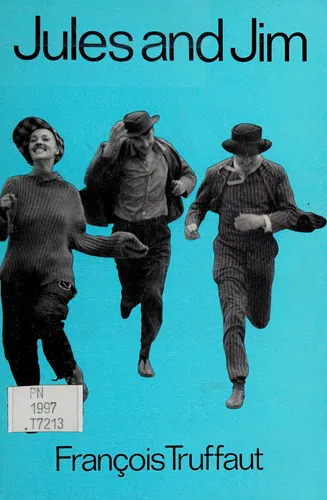
He died two days before Oskar Werner, whom he directed in Jules and Jim 1962 and Fahrenheit 451 1966.
-
13
In 1968, two years after the publication of Hitchcock/Truffaut, Alfred Hitchcock hired Truffaut’s star Claude Jade for Topaz 1969.
-
14
He had a disagreement with his family over the autobiographical content of some films, and tensions remained for the rest of his life.
-
15
When director Sergei Parajanov was imprisoned by the Soviet government, Truffaut signed a petition for his release.
-
16
His first review for Cahiers du Cinema was for Sudden Fear 1952.
-
17
He was an only child who saw little of his working parents during childhood. His maternal grandfather was a great influence and responsible for his love of books.
-
18
Entertainment Weekly voted him the 27th Greatest Director of all time, making him the highest ranking director on this list who was a film critic before becoming a filmmaker.
-
19
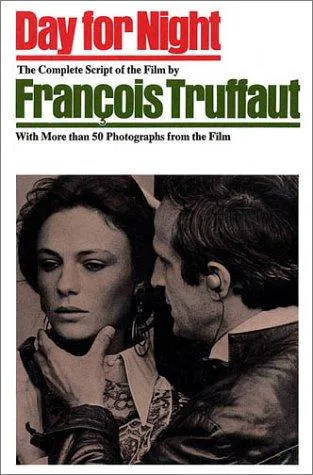
Directed two actresses to Oscar nominations: Valentina Cortese Best Supporting Actress, Day for Night 1973 and Isabelle Adjani Best Actress, The Story of Adele H. 1975.
-
20
He was rumored to be a contender to direct The Stunt Man 1980 and to have used elements from that novel in Day for Night 1973. He denied this, claiming inspiration from Singin’ in the Rain 1952, 8½ 1963, and The Bad and the Beautiful 1952.
-
21
He found it more economical to shoot on location instead of using studio sound-stages.
-
22
Sold la Cause du people The Peoples’ Cause revolutionary propaganda to uphold freedom of expression on the streets of Paris on June 20, 1970, with Jean-Paul Sartre and Simone de Beauvoir.
-
23
During his time as a film critic for Cahiers Du Cinema, his less positive reviews could be scathing. Years later, when published in book format, he attempted to omit his more savage reviews.
-
24
Daughter Josephine was born on September 28, 1983, to his companion Fanny Ardant.
-
25
Two of his films were nominated for the same Golden Globe in the Best Foreign-Language Foreign Film category in 1969: Stolen Kisses 1968 and The Bride Wore Black 1968 competed against each other and both failed to win.
-
26
He was engaged to Claude Jade in 1968.
-
27
He was the son of Janine de Montferrand and was raised by his maternal grandparents.
-
28
He was the father, with Madeleine Morgenstern, of two daughters: Laura born January 22, 1959 and Eva born June 29, 1961.
-
29
He was a member of the jury at the Cannes Film Festival in 1962.
-
30
Profiled in Encyclopedia of French Film Directors by Philippe Rege Scarecrow Press.
-
31
Interviewed in World Directors in Dialogue by Bert Cardullo Scarecrow Press, 2011.