France Who is Irène Joliot-Curie?
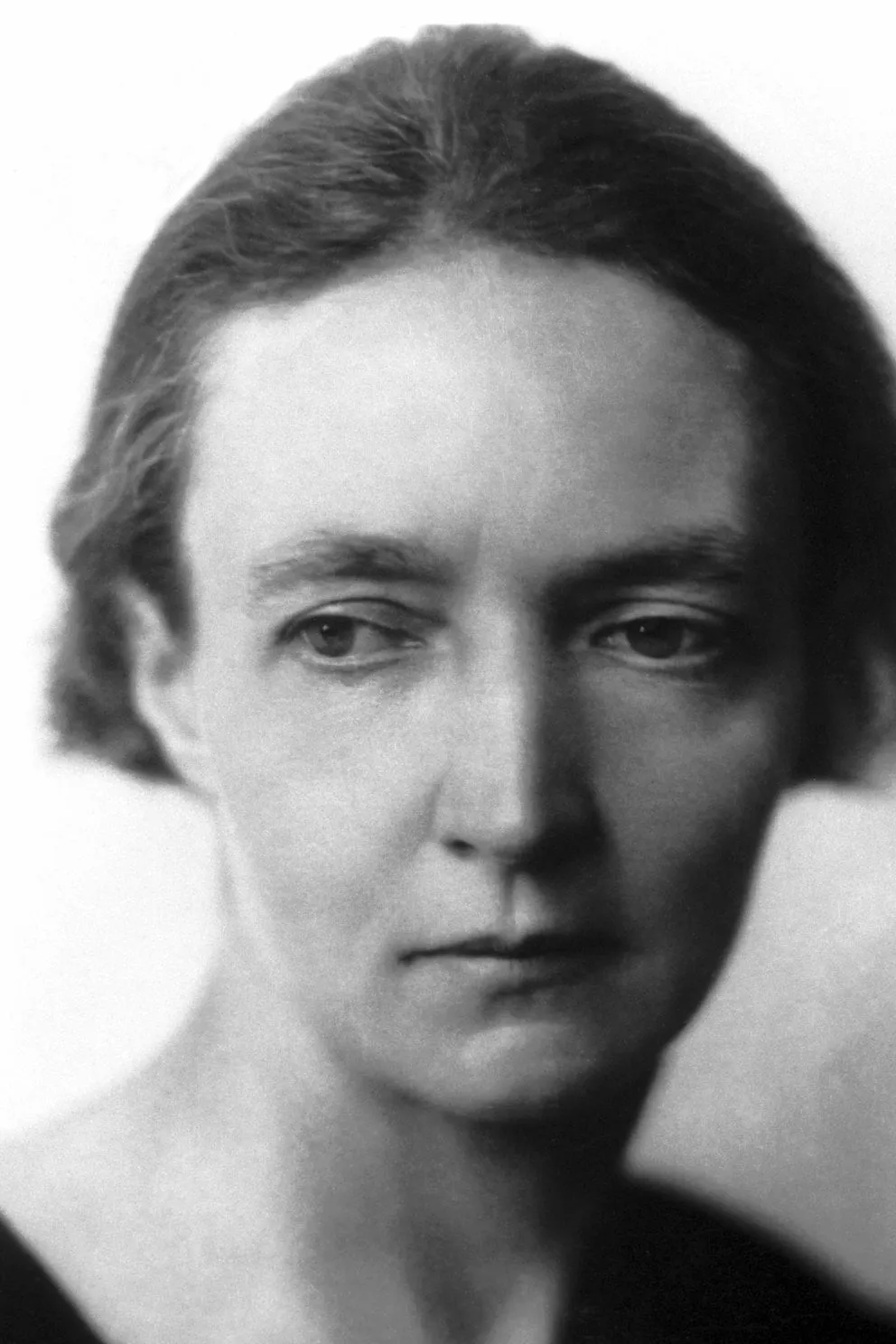
Irène Joliot-Curie (née Curie), born September 12, 1897, and passing away March 17, 1956, stands as a towering figure in the realm of scientific research. As the daughter of Nobel laureates Marie and Pierre Curie, Irène inherited not only their intellectual prowess but also their unwavering dedication to science.
Irène’s early life was steeped in academic rigor and scientific curiosity. Born into one of the most renowned families in the history of science, she faced immense pressure yet thrived under it. She pursued her education at the University of Paris, where she honed her skills in chemistry and physics alongside her sister Ève.
Her rise to prominence began when she married Frédéric Joliot-Curie in 1926, a union that not only strengthened her scientific capabilities but also propelled her career. Together, they made groundbreaking discoveries regarding artificial radioactivity, which earned them the Nobel Prize in Chemistry in 1935.
Irène’s personal life was as dedicated to social causes as it was to science. She served as a member of the French Section of the Workers’ International and was actively involved in political activism. Alongside her husband, she also held teaching positions at universities across France, nurturing young minds while advancing her research.
Tragically, Irène’s life was cut short due to leukemia, an illness likely caused by prolonged exposure to radioactive materials during her experiments. Despite a relatively short lifespan of 58 years, her legacy continues to inspire scientists and advocates for gender equality in the sciences. Her contributions have left an indelible mark on the fields of chemistry and physics.