 France
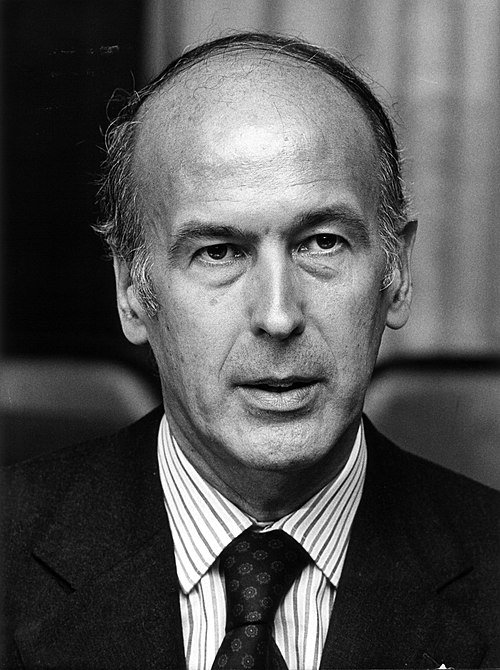
 Who is Valéry Giscard D’estaing?
Valéry René Marie Georges Giscard D’estaing (February 2, 1926 – December 2, 2020) was a towering figure in modern French history. Born into an aristocratic family with deep political roots, his early life and education set the stage for a career marked by intellectual rigor and pragmatic leadership.
Valéry Giscard D’estaing was born in Koblenz, Germany, where his father, Edmond, served as a diplomat during the interwar period. Raised primarily in France, he attended prestigious schools including Lycée Louis-le-grand and École Polytechnique before graduating from the École Nationale d’Administration (ENA), one of the most selective institutions in France. His formative years were marked by intense academic pursuits and exposure to international affairs.
His rise to prominence began with his entry into politics, where he quickly made a name for himself as an intellectual and economic reformer within the ranks of the French government. In 1962, he became Minister of Finance at just 36 years old, a position that allowed him to implement significant fiscal policies during France’s post-war recovery. Giscard D’estaing continued his ascent through various ministerial roles until he was elected President of France in 1974.
During his presidency, Valéry Giscard D’estaing focused on modernizing the French economy and promoting European integration. He oversaw crucial economic reforms and played a key role in strengthening ties with other European nations. His tenure saw significant policy changes that shaped the course of post-war France.
Giscard D’estaing’s personal life was marked by his marriage to Anne-Aymone Toinard, whom he met while studying at ENA. They had four children together: Louis, Valérie-Anne, Henri, and Jacinte. His sister Sylvie was also involved in French politics.
Valéry Giscard D’estaing’s legacy as a statesman is significant, particularly his role in shaping modern France during a critical period of economic and political transition. He passed away on December 2, 2020, due to complications from COVID-19, leaving behind a profound impact on French society and governance.
Common Questions
When was Valéry Giscard D'estaing born?
Valéry Giscard D'estaing was born on February 2, 1926, in Koblenz, Germany.
What were some of the major achievements during his presidency?
During his presidency from 1974 to 1981, Valéry Giscard D'estaing focused on economic modernization and European integration. He implemented significant fiscal reforms that helped stabilize France's economy.
What was his education like?
Valéry Giscard D'estaing attended Lycée Louis-le-grand and École Polytechnique before graduating from the prestigious École Nationale d'Administration (ENA).
Did Valéry Giscard D'estaing have a family background in politics?
Yes, he came from an aristocratic family with deep political roots. His father, Edmond, was a diplomat.
How did Valéry Giscard D'estaing contribute to European integration?
During his presidency, Giscard D'estaing played a key role in strengthening ties between France and other European nations, contributing significantly to the process of European integration.
What were some of his early career milestones?
Valéry Giscard D'estaing became Minister of Finance at 36 years old in 1962, implementing significant fiscal policies during France's post-war recovery period.