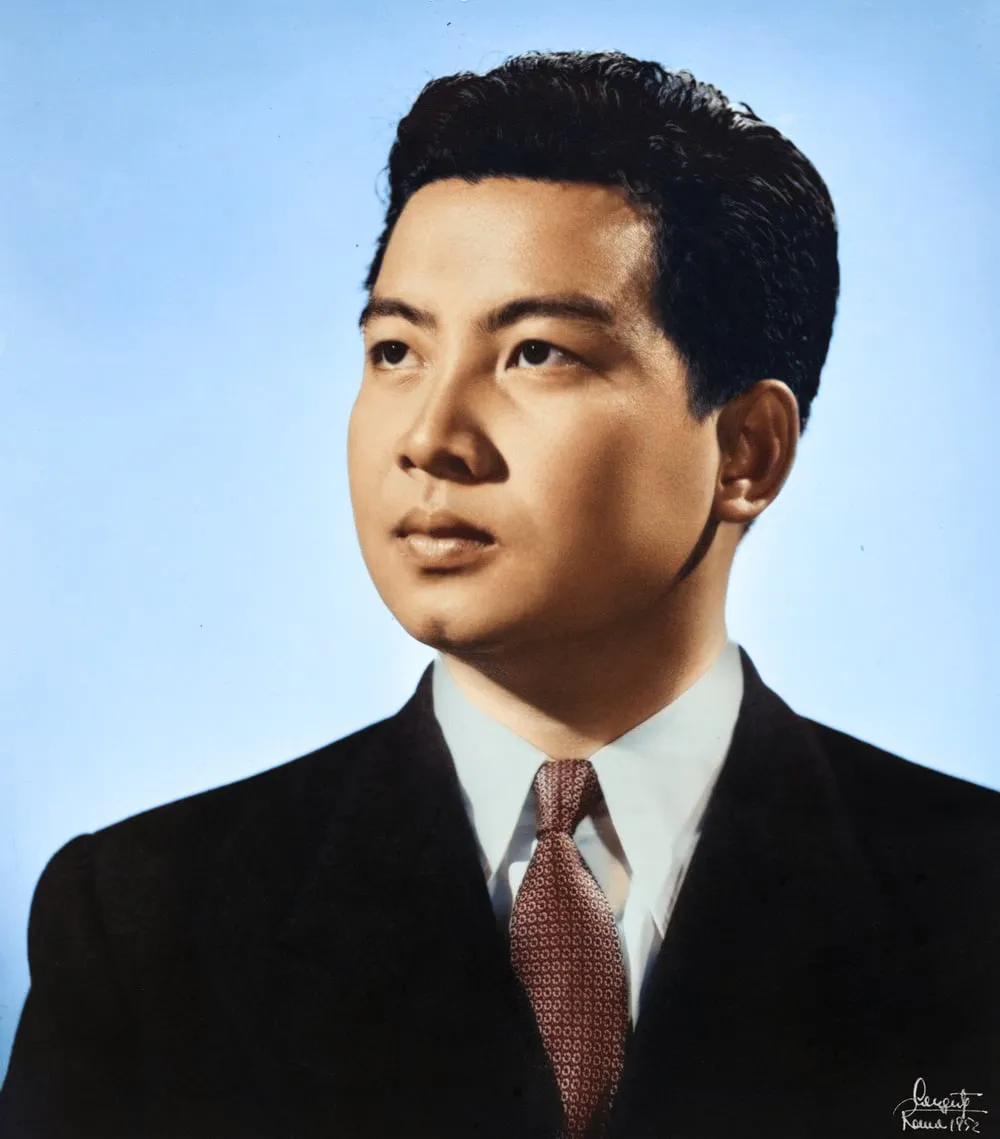
Norodom Sihanouk Profile & Biography

Norodom Sihanouk

Born: October 31, 1922
Died: October 15, 2012
Norodom Sihanouk, Cambodia's influential monarch and politician, reigned from 1941 to 1955 and again from 1993 to 2004. Born into the House of Norodom in 1922,

Who is Norodom Sihanouk?

Prince Norodom Sihanouk, Cambodia’s longest-serving monarch and one of Asia’s most enigmatic political figures, was born on October 31, 1922. His rise to power in the mid-20th century was a product of both his lineage and the tumultuous geopolitics of Southeast Asia.

Sihanouk came from Cambodia’s ruling House of Norodom, with a mother who played an influential role in Cambodian politics despite her formal position as Queen Mother. Born into this environment, Sihanouk’s early life was steeped in royal traditions and political intrigue. He ascended to the throne at the age of eighteen in 1941 during French colonial rule.

His reign saw significant challenges, including Cambodia’s struggle for independence from France and later its entanglement with the Cold War. Sihanouk was a masterful politician who navigated these complexities with remarkable skill. In 1953, he led Cambodia to independence and stepped down as king in 1955 to form the political party Sangkhum Niyum Khamer (People’s Socialist Community) under his own leadership.

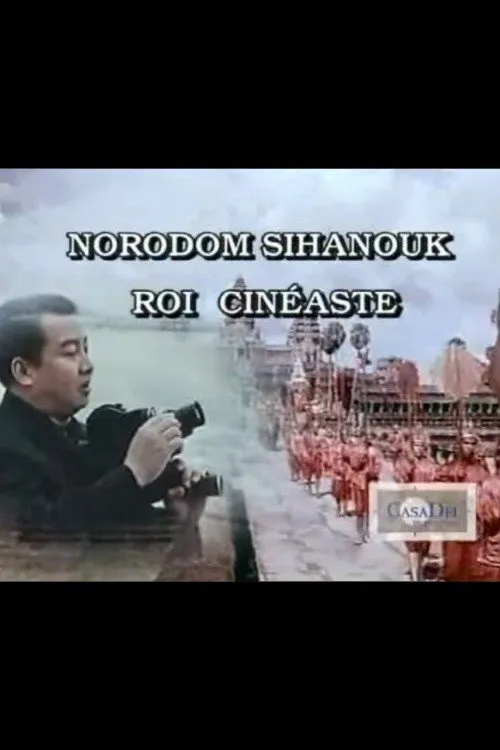
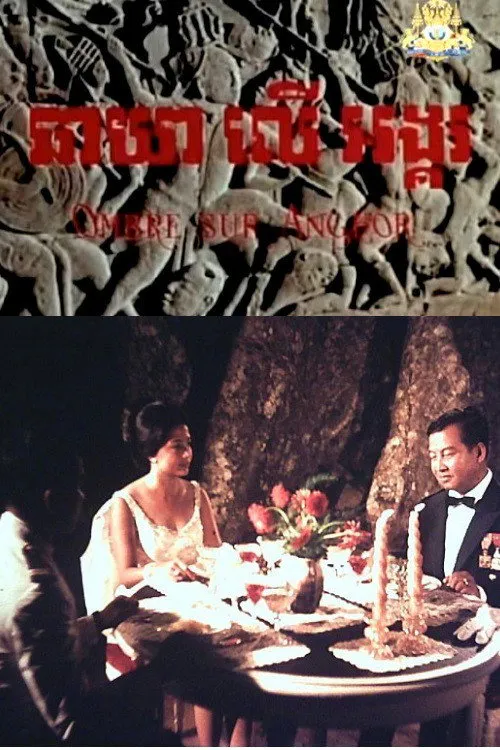
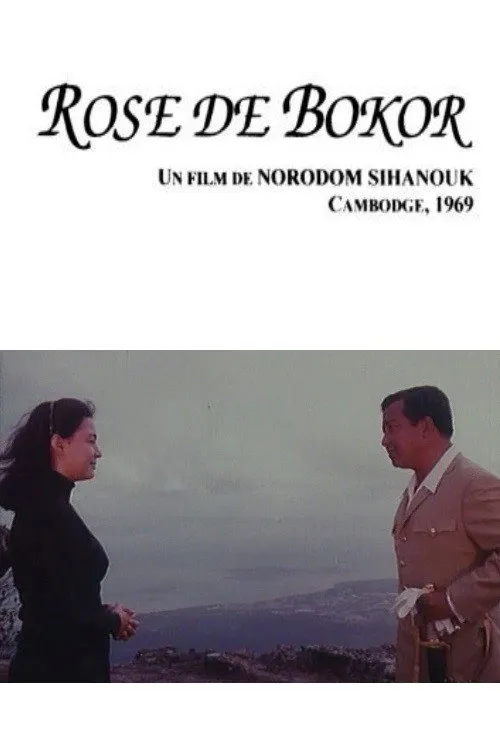
During his subsequent years away from the throne, Sihanouk became a filmmaker and artist, directing films such as The Lost King. He also served multiple terms as Prime Minister before returning to the throne in 1993 when a new constitution was adopted. This period saw Cambodia under his leadership navigating the post-Cold War world and efforts towards reconstruction after years of civil war.

His personal life was as complex as his public persona. Sihanouk married several times, including to Mam Manivan Phanivong, Phat Kanhol, Sisowath Pongsanmoni, and his last wife, Norodom Monineath. He had numerous children, among them Prince Norodom Sihamoni, who succeeded him as King of Cambodia.

The legacy of Sihanouk is one of a ruler deeply entwined with the fate of his nation. His death on October 15, 2012, from myocardial infarction marked the end of an era for Cambodian politics and society. Today, he remains celebrated as both a visionary leader who sought to maintain Cambodia’s sovereignty amidst global conflicts and a complex political figure whose actions continue to influence discussions about Cambodia’s history.

Common Questions

What was Norodom Sihanouk's role in Cambodian independence?
Norodom Sihanouk played a key role in leading Cambodia to independence from French colonial rule. In 1953, he successfully negotiated the end of France’s protectorate over Cambodia.
How many times did Norodom Sihanouk serve as King of Cambodia?
Norodom Sihanouk served twice as King of Cambodia: initially from 1941 to 1955, and then again from 1993 until his abdication in 2004.
What political party was Norodom Sihanouk associated with?
Norodom Sihanouk founded the Sangkhum Niyum Khamer (People's Socialist Community) and later served as a prominent member of the National United Front for an Independent, Neutral, Peaceful, Cooperative, and Non-Aligned Cambodia.
How many children did Norodom Sihanouk have?
Norodom Sihanouk had numerous children from multiple marriages. Among his more well-known offspring are Prince Sihamoni, who became the King of Cambodia, and other siblings such as Ranariddh.
What was Norodom Sihanouk's cause of death?
Norodom Sihanouk died on October 15, 2012, due to myocardial infarction at the age of 89.

People Also Viewed