 Germany
 Who is Helmut Kohl?
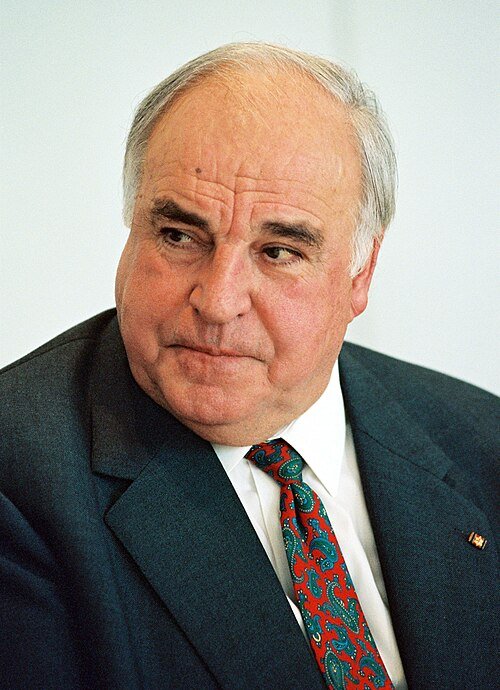
Helmut Josef Michael Kohl, the towering figure of post-war European politics and a pivotal leader during the Cold War era, was born on April 3, 1930, in Ludwigshafen, Germany. His journey from a modest family background to becoming one of the most significant figures in modern German history is a testament to his unwavering dedication and strategic acumen.
Kohl’s formative years were marked by the tumultuous events of World War II and its aftermath. Born into a Catholic family, Kohl was influenced early on by the political climate of the time, which would later shape his career path. His father, Hans Kohl, owned a grocery store that provided financial stability for the family during difficult times.
After completing his education at Goethe University Frankfurt and Heidelberg University, where he studied history and economics, Kohl entered politics in the early 1960s. Rising through the ranks of the Christian Democratic Union (CDU), he became the youngest Chairman of the CDU in 1973 at the age of 43. His political career reached its zenith when he was elected Chancellor of Germany in 1982, a position he held for an unprecedented four terms until 1998.
During his tenure as Chancellor, Kohl’s most notable achievement was overseeing the peaceful reunification of East and West Germany following the fall of the Berlin Wall. This monumental event not only transformed Germany but also reshaped Europe’s political landscape. Additionally, he played a key role in fostering closer ties with France under President François Mitterrand, which helped to solidify the European Union.
Helmut Kohl’s personal life was marked by two marriages and several close relationships that influenced his public persona. He married Hannelore Renner in 1960, and together they had two sons, Walter and Peter. In 2001, after Hannelore’s passing, he remarried Maike Richter, who became a significant support to him during his later years.
Helmut Kohl passed away on June 16, 2017, at the age of 87, leaving behind an indelible legacy. His leadership in bringing about German reunification is widely regarded as one of the most important political achievements of the late 20th century.
Common Questions
What was Helmut Kohl's role in the fall of the Berlin Wall?
Kohl played a significant role in the peaceful unification of Germany after the fall of the Berlin Wall. He worked tirelessly to integrate East and West Germany, culminating in German reunification on October 3, 1990.
How did Helmut Kohl become Chancellor?
Kohl became leader of the Christian Democratic Union (CDU) party in 1973 at age 43. He was elected as Chancellor of Germany in a federal election on October 18, 1982.
What were Helmut Kohl's major achievements?
Kohl’s most notable achievement was the reunification of East and West Germany in 1990. Additionally, he strengthened ties with France and played a key role in European integration.
How many terms did Helmut Kohl serve as Chancellor?
Helmut Kohl served four consecutive terms as Chancellor from 1982 to 1998, making him one of the longest-serving chancellors in German history.
What was Helmut Kohl's relationship with France during his tenure?
Kohl fostered a close partnership with French President François Mitterrand, which helped strengthen Franco-German cooperation and contributed significantly to European unity.