-
01
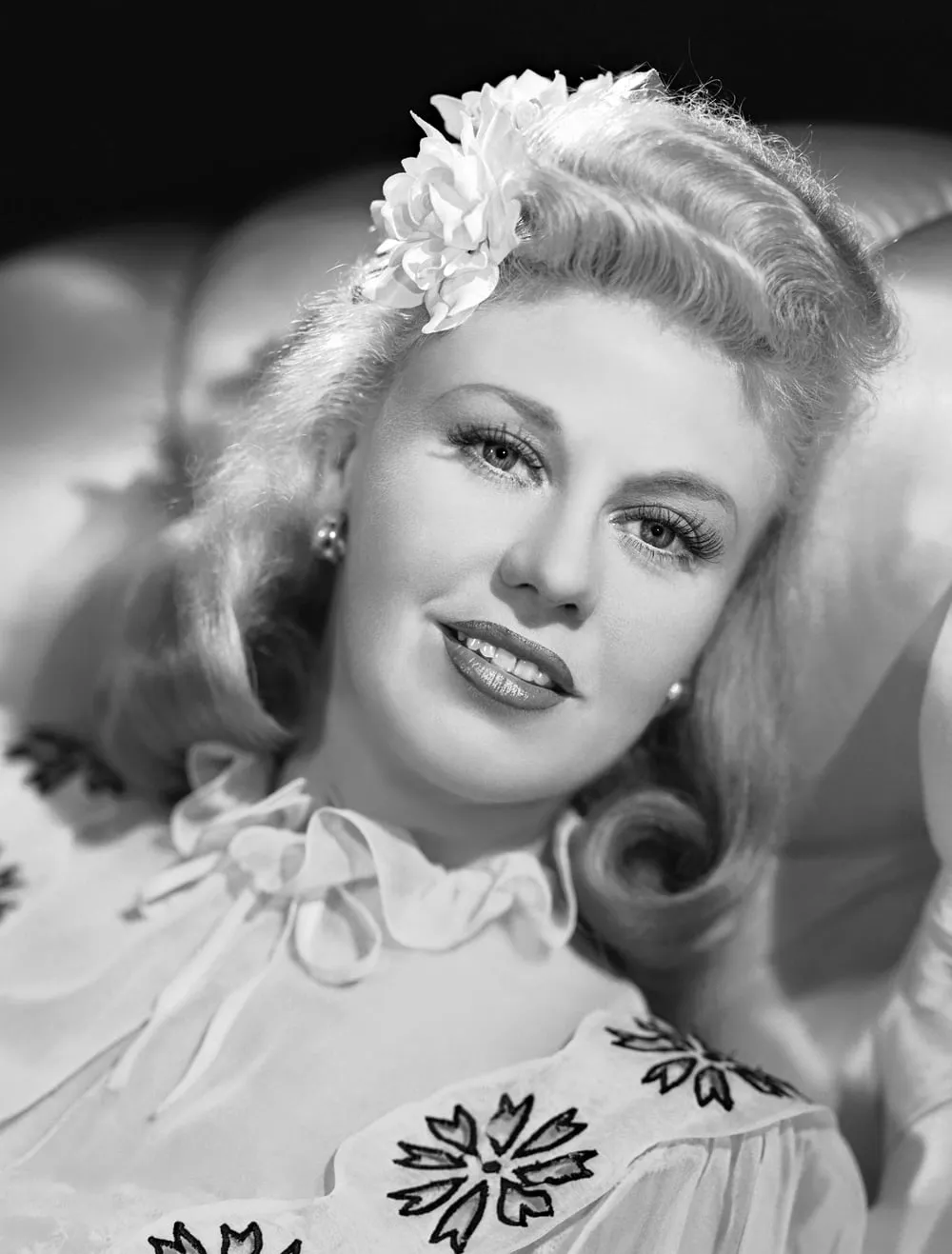
Rogers was Hollywood’s highest-paid star in 1942.
-
02
Ginger Rogers abstained from alcohol and had her own ice cream soda fountain.
-
03
A keen artist, Rogers painted, sculpted, and sketched in her free time, but she never sold any of her works.
-
04
Her first teaming with Fred Astaire, Flying Down to Rio 1933, was her 20th film but only Astaire’s second.
-
05
Her great-great-grandfather discovered quinine, a treatment for malaria.
-
06
The name Ginger came from a little cousin who could not pronounce Virginia correctly.
-
07
When Rogers received a Kennedy Center Honor in 1992, Robyn Smith, widow of Fred Astaire, withheld rights to clips of Rogers’ scenes with Astaire, demanding payment. The Kennedy Center refused, and Rogers received the honor without the retrospective show.
-
08
She turned down Donna Reed’s role in It’s a Wonderful Life 1946.
-
09
Her salary for 1938 was $219,500 adjusted for 2025 inflation: approximately $5.0 million.
-
10
In 1986, Fred Astaire recalled: All the girls I ever danced with thought they couldn’t do it, so they always cried. All except Ginger. No, no, Ginger never cried.
-
11
Fred Astaire confided to Raymond Rohauer: Ginger was brilliantly effective. She made everything work fine for her. Actually she made things very fine for both of us and she deserves most of the credit for our success.
-
12
She was a near-champion tennis player, a topline shot, and loved fishing.
-
13
According to the 1974 book Hollywood-Would, Rogers was taught the Charleston by Eddie Foy Jr. and won the championship of Texas at age 15.
-
14
Rogers was a fashion consultant for the J.C. Penney chain from 1972 to 1975.
-
15
In 1976, when asked by British TV interviewer Michael Parkinson who his favorite dancing partner was, Astaire answered: Excuse me, I must say Ginger was certainly the one. She was just great.
-
16
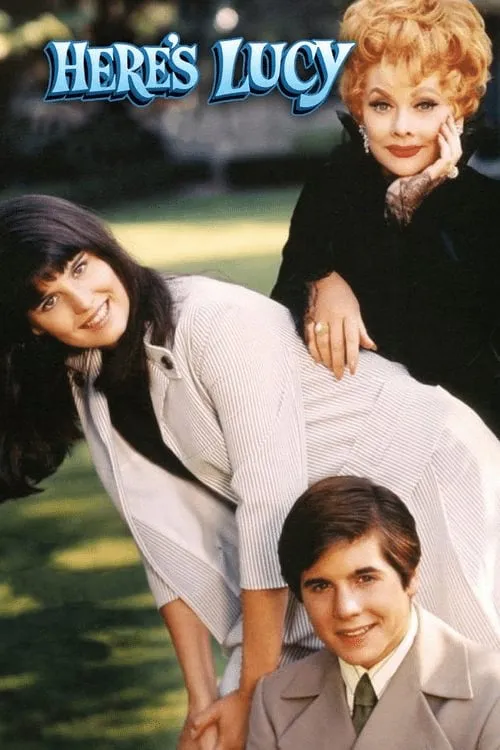
She was a distant cousin of Lucille Ball, according to Lucie Arnaz.
-
17
Rogers was good friends with actress Maureen O’Hara since the late 1930s.
-
18
During her last years, she retired in Oregon and bought a ranch in the Medford area. She donated money to the community and funded the Craterian Ginger Rogers Theater in downtown Medford.
-
19
She and her mother Lela E. Rogers are buried side by side at Oakwood Memorial Park, yards away from Fred Astaire’s grave.
-
20
She first introduced the song The Continental in The Gay Divorcee 1934, which went on to win the first Academy Award for Best Original Song.
-
21
Anne Frank placed a picture of Ginger Rogers on the wall of her bedroom in the Secret Annex during the Nazi occupation.
-
22
For the Cheek to Cheek number in Top Hat 1935, Rogers insisted on wearing an elaborate blue feathered dress that shed feathers during filming. Astaire later gave her a gold feather charm to patch up the rift, originating her nickname Feathers.
-
23
In a 1991 TV interview, when asked why the union was not known as Ginger and Fred, she replied: It’s a man’s world.
-
24
At age 74, she directed her first stage musical, Babes in Arms.
-
25
She and Fred Astaire acted in ten movies together: The Barkleys of Broadway 1949, Carefree 1938, Flying Down to Rio 1933, Follow the Fleet 1936, The Gay Divorcee 1934, Roberta 1935, Shall We Dance 1937, The Story of Vernon and Irene Castle 1939, Swing Time 1936, and Top Hat 1935.
-
26
Her final public appearance was on March 18, 1995, when she received the Women’s International Center Living Legacy Award.
-
27
Ginger Rogers Road in Rancho Mirage, California is named after her.
-
28
Rogers holds the record for actresses at New York’s Radio City Music Hall with 23 films for a total of 55 weeks.
-
29
She was named number 14 actress on the American Film Institute’s list of 50 Greatest Screen Legends.
-
30
She made the cover of Life magazine four times: August 22, 1938, December 9, 1940, March 2, 1942, and September 5, 1951.
-
31
She turned down lead roles in To Each His Own 1946 and The Snake Pit 1948, both later played by Olivia de Havilland.
-
32
She appeared in four films selected for the National Film Registry: 42nd Street 1933, Gold Diggers of 1933 1933, Top Hat 1935, and Swing Time 1936.
-
33
She replaced Judy Garland in The Barkleys of Broadway 1949 after Garland was suspended from MGM.
-
34
She was badly affected by illness in her last years, suffering two strokes that left her wheelchair-bound and overweight, with a shrunken raspy voice.
-
35
She turned down the part of Hildy Johnson in His Girl Friday 1940; Rosalind Russell was cast instead.
-
36
She was the 16th actress to receive an Academy Award; she won Best Actress for Kitty Foyle at the 13th Academy Awards on February 27, 1941.
-
37
The band Blood Red Shoes took their name from the story of Rogers rehearsing so vigorously that her white pumps were soaked red with blood from cuts on her dancing feet.
-
38
She appeared in five Oscar Best Picture nominees: 42nd Street 1933, The Gay Divorcee 1934, Top Hat 1935, Stage Door 1937, and Kitty Foyle 1940.
-
39
She is interred at Oakwood Memorial Park in Chatsworth, California, the same cemetery as Fred Astaire.
-
40
She was a sort-of cousin of Rita Hayworth; Rogers’ aunt married Hayworth’s uncle.
-
41
The well-known quote attributed to her — My first picture was Kitty Foyle, it was my mother who made those films with Fred Astaire — was fabricated for a 1966 article in Films in Review.
-
42
All five of her marriages lasted under a decade; the longest was her last, to William Marshall, which lasted eight years. She never had children.
-
43
She left her Academy Award statuette to her personal assistant Roberta Olden.
-
44
She was of Scottish, Welsh, English, and Irish ancestry.
-
45
Author Graham Greene said he would have liked Rogers to play Aunt Augusta in Travels with My Aunt; the role went to Maggie Smith.
-
46
She was asked to replace Judy Garland in both Harlow 1965 and Valley of the Dolls 1967; she turned down Valley of the Dolls due to the script but accepted Harlow.
-
47
At age 19, she was chosen to introduce Embraceable You and But Not for Me in George and Ira Gershwin’s Girl Crazy on Broadway, where Ethel Merman introduced I Got Rhythm.
-
48
She was a lifelong Republican and a proud member of the Daughters of the American Revolution.
-
49
She turned down Barbara Stanwyck’s role in Ball of Fire 1941.
-
50
She was a conservative Republican and a vocal supporter of the Hollywood blacklist.