-
01
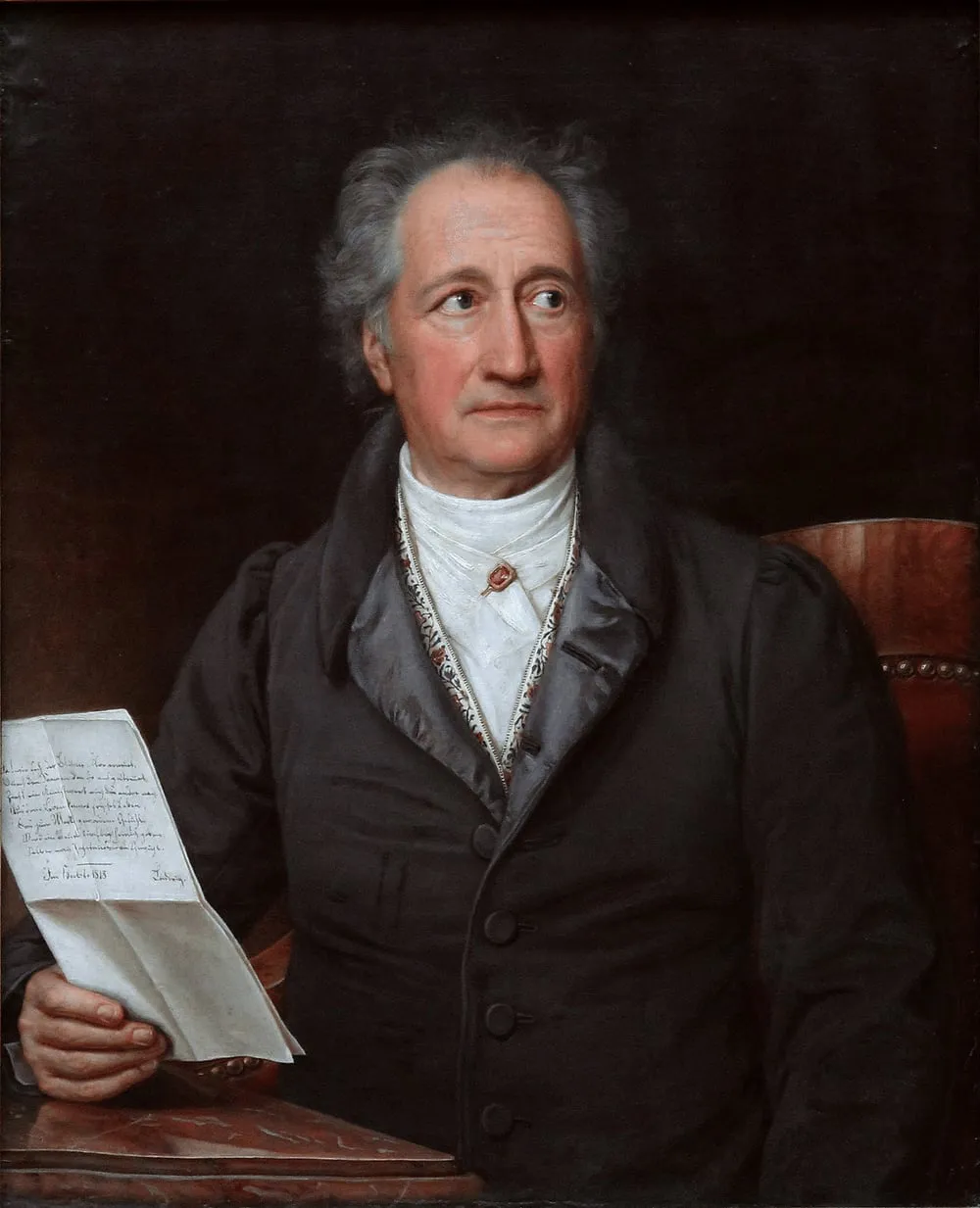
Germany’s greatest poet and playwright, Goethe is often called the Shakespeare of German literature.
-
02
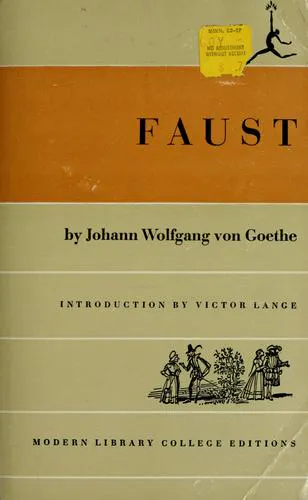
He worked on the Faust books for over 50 years and finished the second part shortly before his death.
-
03
Goethe’s IQ has been estimated at 210, though such measures are speculative.
-
04
Terribly afraid of dogs, Goethe personified Mephistopholes as a black poodle in Faust Part 1.
-
05
His close friendship with Friedrich Schiller is commemorated by a statue in front of the Theater in Weimar, Germany.
-
06
Born at 12:30 pm LMT.
-
07
He had a daughter named Ottilie.
-
08
Great-great-grandfather of the musician Bertie Higgins.
-
09
His only son with Christiane, August von Goethe, was born December 25, 1789, and died October 27, 1830.
-
10
Philosopher Arthur Schopenhauer named Wilhelm Meister’s Apprenticeship one of the four greatest novels ever written.
-
11
American essayist Ralph Waldo Emerson selected Goethe as one of six representative men in his work of the same name.
-
12
Goethe’s ideas on evolution framed questions that Darwin and Wallace approached scientifically.
-
13
The Goethe-Institut, Germany’s cultural institution, promotes German language and culture abroad.
-
14
Goethe’s reputation led to Weimar being chosen in 1919 as the venue for Germany’s national assembly, which drafted the constitution of the Weimar Republic.
-
15
His first major scientific work, Metamorphosis of Plants, was published after his return from Italy in 1788.
-
16
During his first ten years in Weimar, Goethe served on the Duke’s privy council, oversaw silver mines, and implemented administrative reforms at the University of Jena.
-
17
In Victorian England, Thomas Carlyle wrote multiple essays on Goethe and translated his works, introducing him to English readers.
-
18
Nikola Tesla was heavily influenced by Goethe’s Faust, which he had memorized; it inspired his rotating magnetic field idea.
-
19
Goethe’s scientific ideas have much in common with Denis Diderot’s; both rejected mathematical interpretations of nature and saw art and science as compatible.
-
20
George Eliot presented Goethe as a man who helps us rise to a lofty point of observation.
-
21
Matthew Arnold called Goethe the Physician of the Iron Age and a large, liberal thinker.
-
22
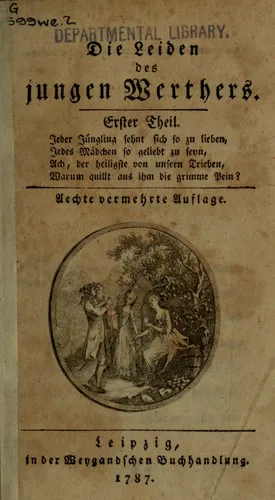
During his meeting with Napoleon in 1808, Napoleon remarked, Vous êtes un homme, and had read The Sorrows of Young Werther seven times.
-
23
Goethe was an early participant in the Sturm und Drang movement.
-
24
His works include plays, poetry, literature, aesthetic criticism, and treatises on botany, anatomy, and color.
-
25
Goethe took up residence in Weimar in November 1775 after the success of The Sorrows of Young Werther, and was ennobled in 1782.
-
26
Along with Adam Smith, Thomas Jefferson, and Beethoven, Goethe straddled the Age of Reason and Romanticism.
-
27
He was a German poet, playwright, novelist, scientist, statesman, theatre director, and critic.
-
28
The literary estate of Goethe in the Goethe and Schiller Archives was inscribed on UNESCO’s Memory of the World Register in 2001.
-
29
In 1791 he became managing director of the theatre at Weimar, and in 1794 began a friendship with Friedrich Schiller that defined Weimar Classicism.
-
30
Goethe is the greatest and most influential writer in the German language.
-
31
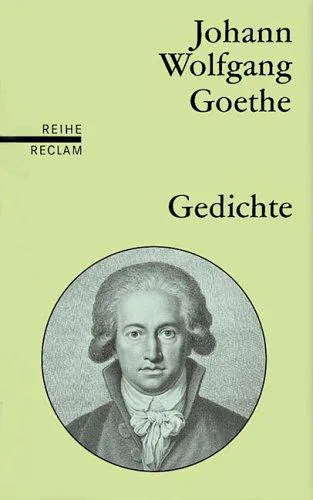
He produced volumes of poetry, essays, criticism, a theory of colours, and early work on evolution and linguistics.
-
32
Goethe’s Naturanschauer is in many ways a sequel to Diderot’s interprète de la nature.
-
33
His unorthodox religious beliefs led him to be called the great heathen and provoked distrust among authorities.
-
34
The Faust tragedy, often called Das Drama der Deutschen, is his most characteristic creation.
-
35
Born into a Lutheran family, Goethe’s early faith was shaken by the 1755 Lisbon earthquake and the Seven Years’ War.
-
36
At age 23, Goethe wrote Mahomets Gesang about a river, part of his Sturm und Drang years.
-
37
He was a Freemason, joining lodge Amalia in Weimar in 1780.
-
38
Fascinated by mineralogy, the mineral goethite is named after him.
-
39
He showed interest in Islam and other religions, but attempts to claim him for any religion are considered pointless.
-
40
He was attracted to the Bavarian Illuminati, founded on May 1, 1776.
-
41
A year before his death, Goethe wrote that he aspired to be a Hypsistarian, reverencing what is best and most perfect.
-
42
His non-fiction writings spurred thinkers like Hegel, Schopenhauer, Kierkegaard, Nietzsche, Cassirer, and Jung.