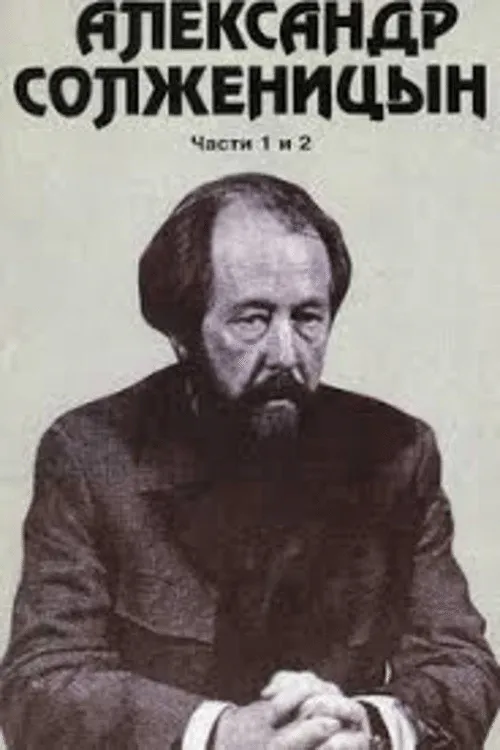
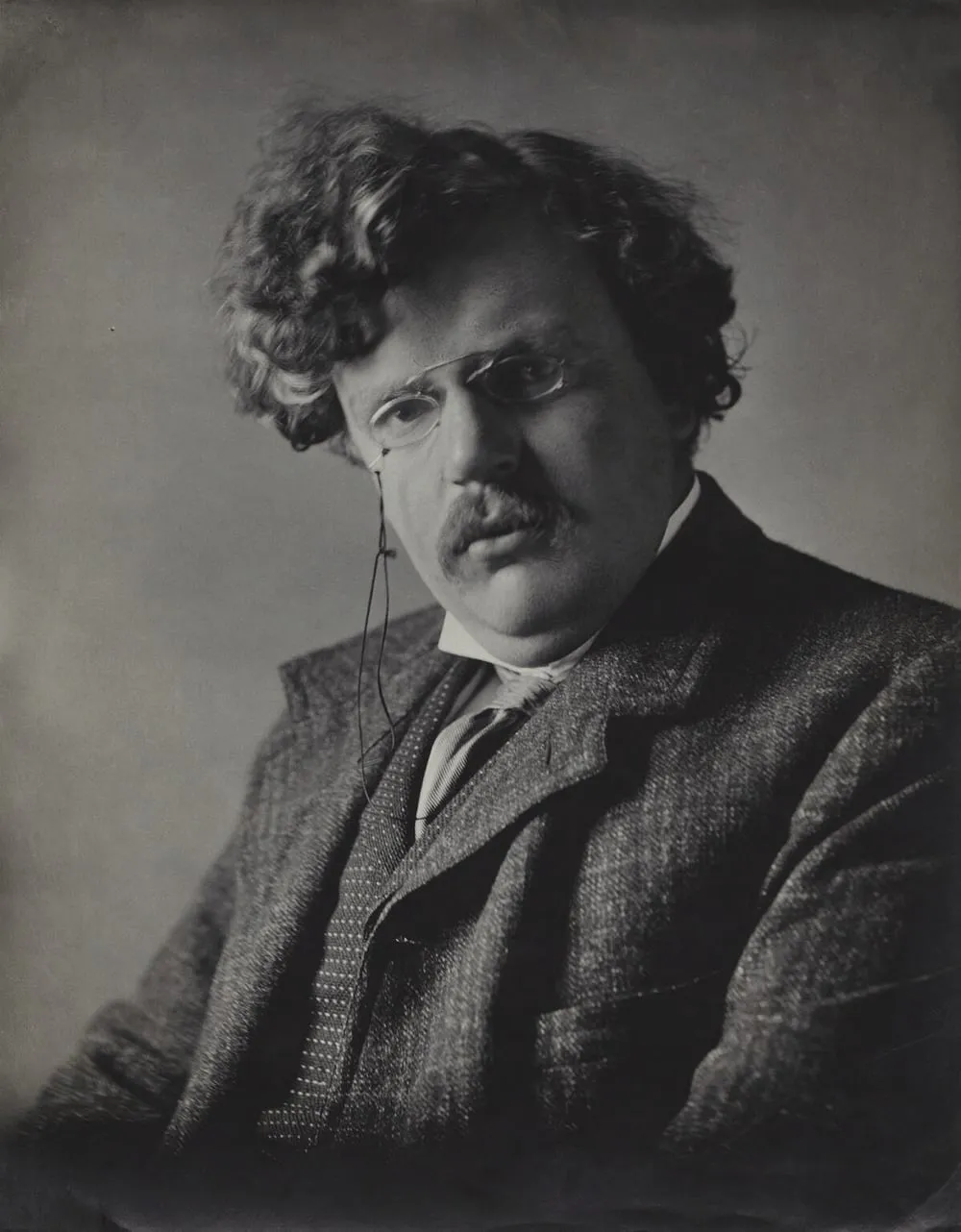
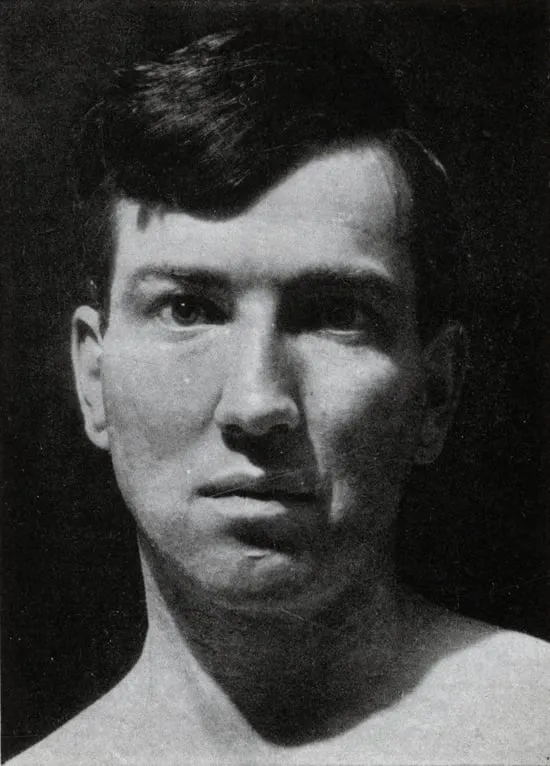
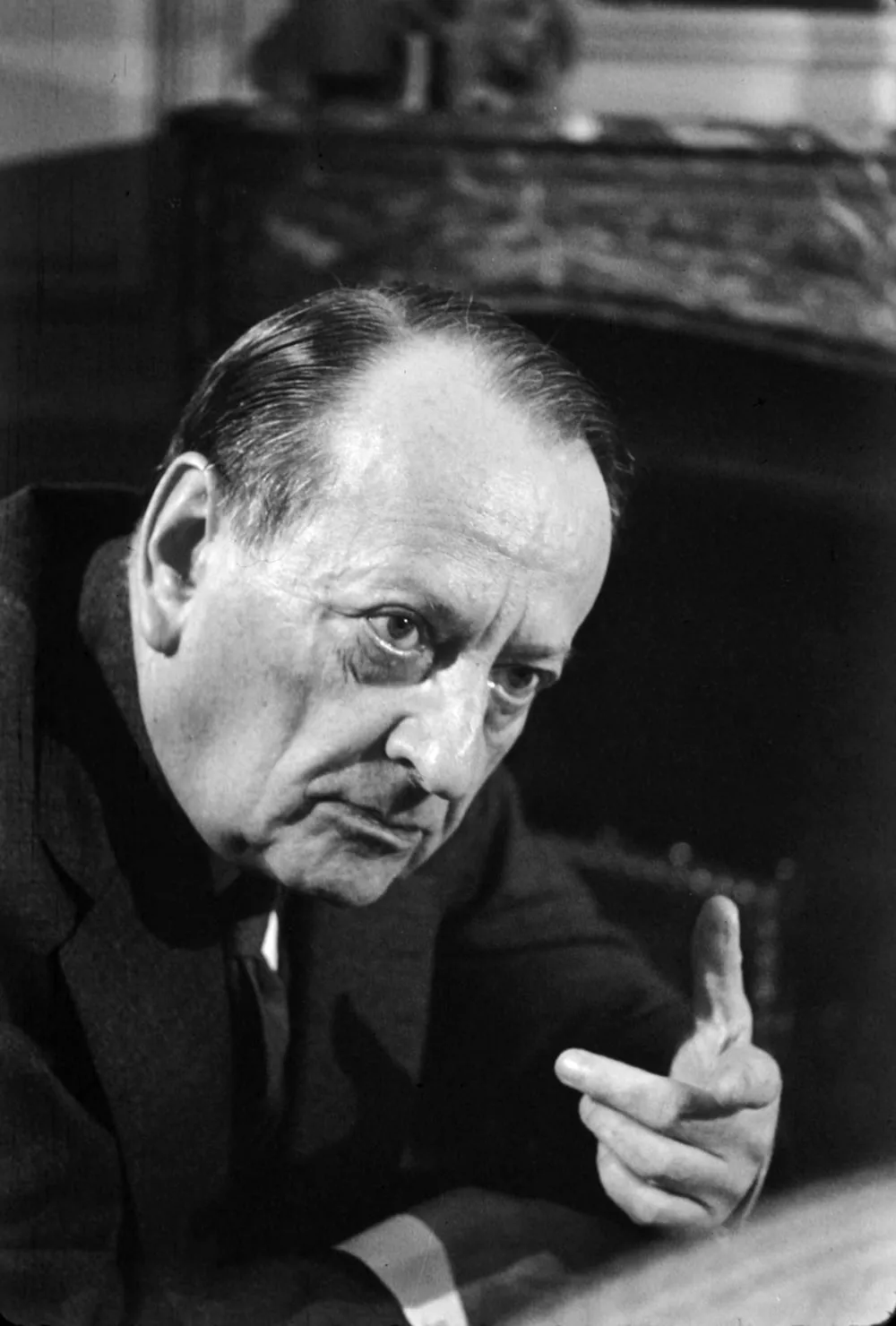
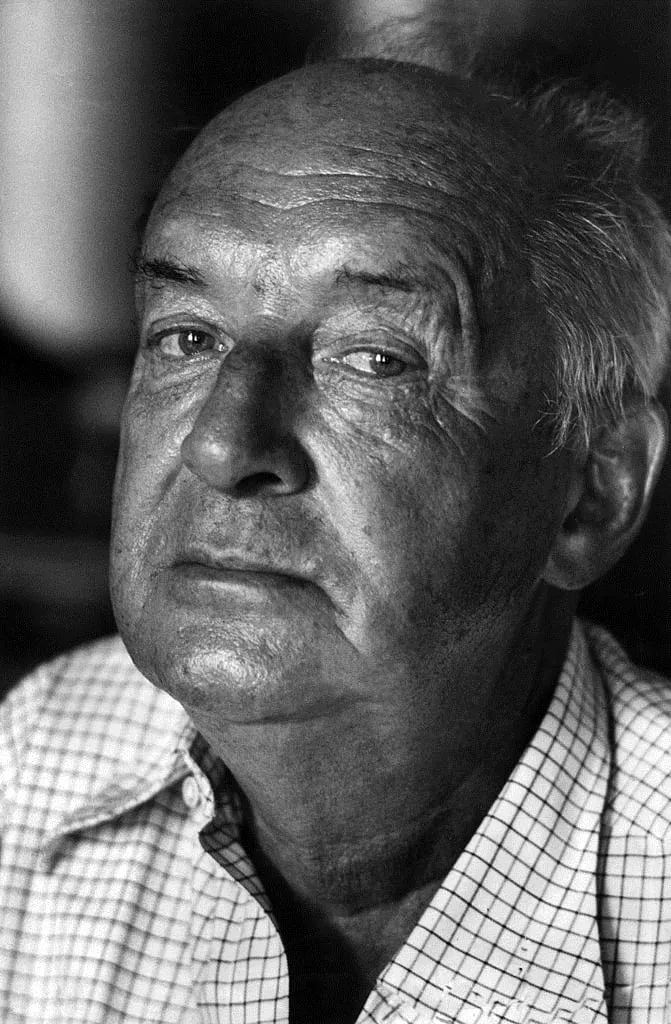
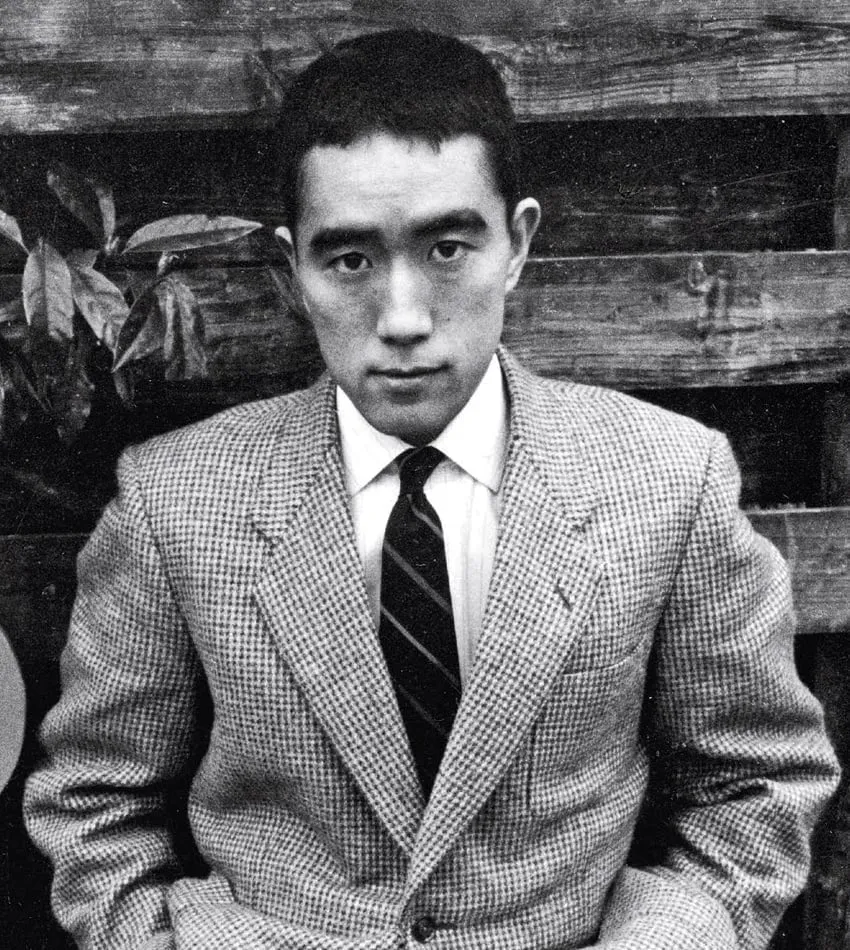
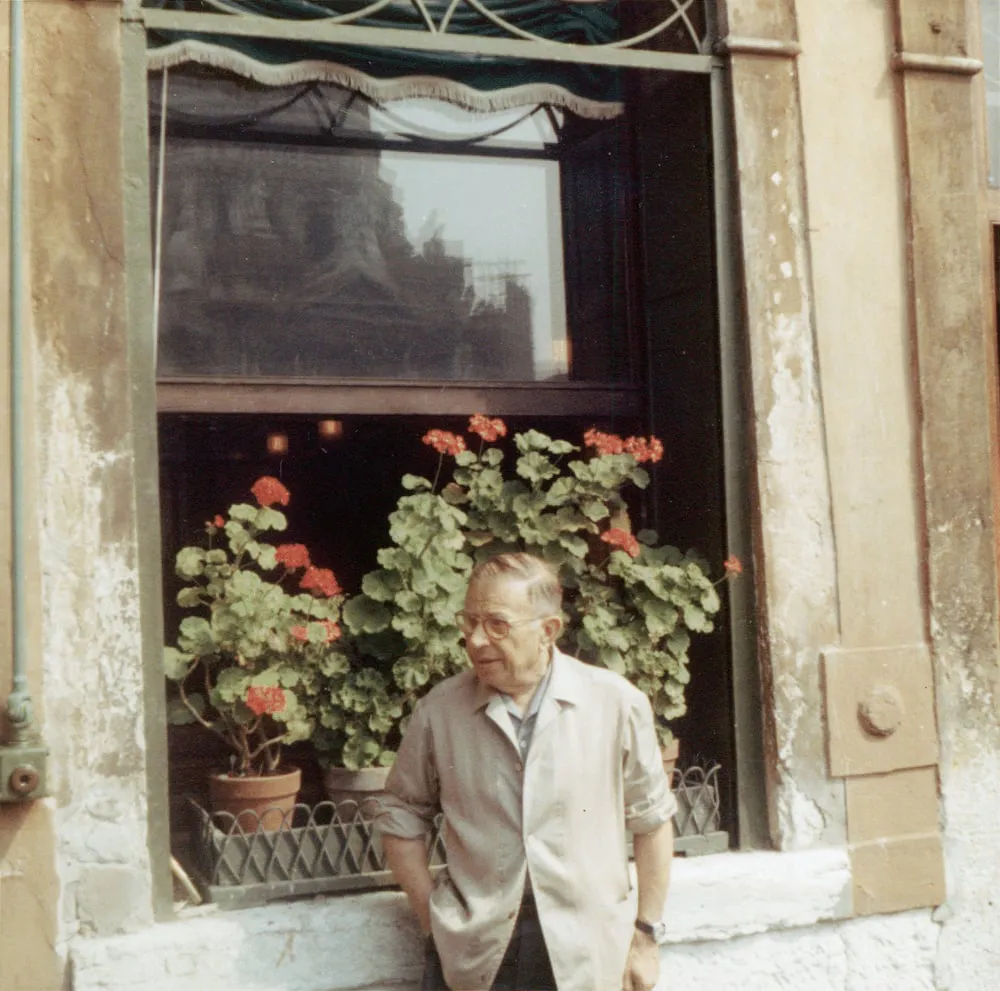
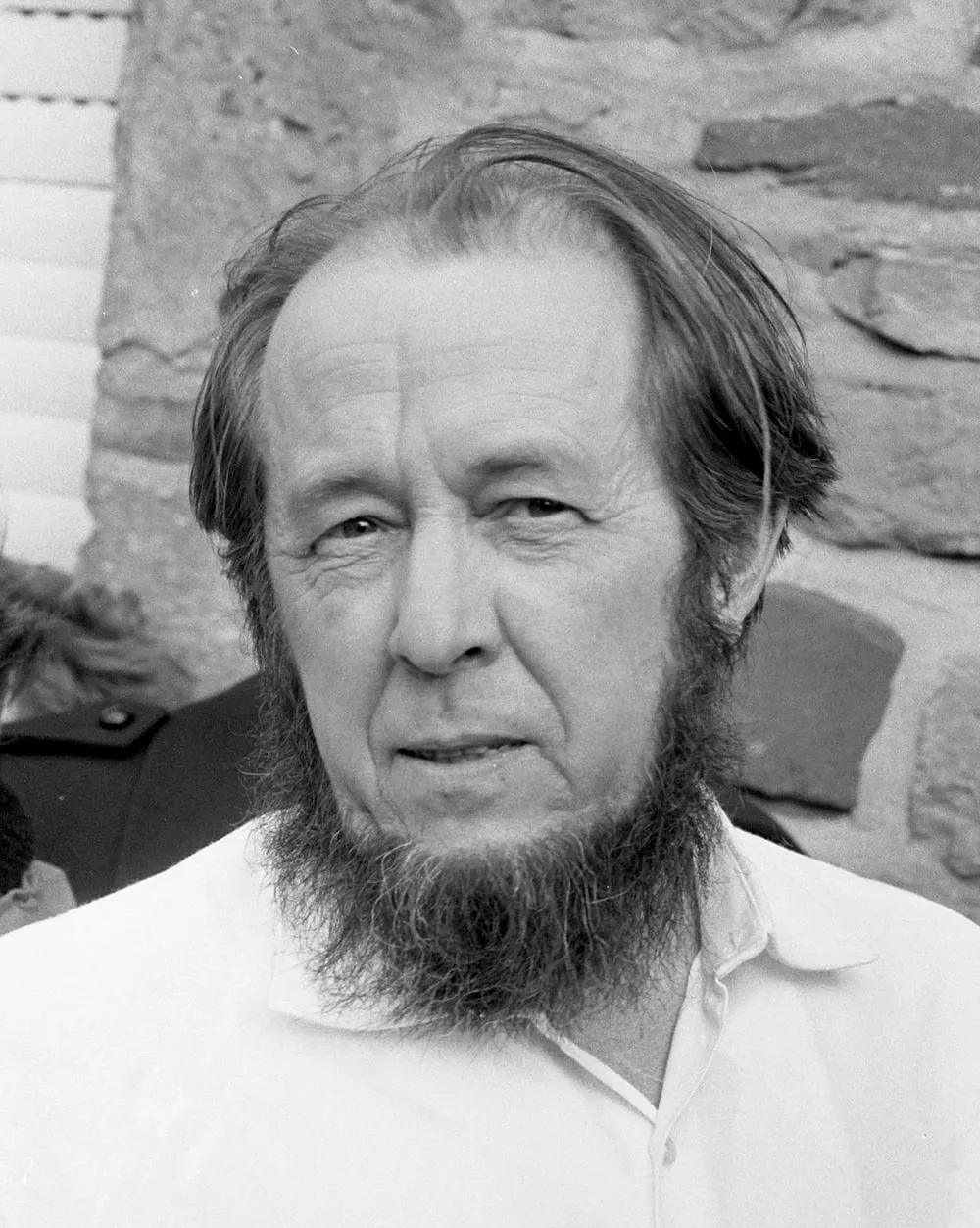
Aleksandr Solzhenitsyn.

Александр Исаевич Солженицын

Aleksandr Solzhenitsyn — Academic
Born Kislovodsk, Russia
Died Moscow, Russia
Citizenship Russia
Would Be 107 yr If Living

9 min read

Reading time

1,690

Words

Published

10

Film credits

61

Books

17

Awards

TL;DR

Aleksandr Solzhenitsyn, a Russian dissident writer, won the Nobel Prize in Literature in 1970 for his exposure of Soviet repression. His autobiographical novel The Gulag Archipelago 1973 detailed the prison system that he survived after serving eight years in labor camps. Exiled in 1974, he lived in Vermont until returning to Russia in 1994.

Identity & family.

KIN · 5

Names, aliases, and relatives of Aleksandr Solzhenitsyn — birth name, kin, and personal ties.

Native Name Александр Исаевич Солженицын
Aliases Alexandre Soljenitsyne, Alexander Solzhenitsyn
PARENTS
Taisiya Zakharovna Shcerbak Isaacky Semyonovich Solzhenitsyn
SPOUSES
Natalia Svetlova Natalya Reshetovskaya
CHILDREN
Ignat Solzhenitsyn

At a glance.

STATS

Aleksandr Solzhenitsyn by the numbers — life, work, and family.

89 Years lived
10 Film credits
61 Books
17 Awards
2 Marriages
1 Child

Who was Aleksandr Solzhenitsyn?

BIOGRAPHY

Aleksandr Solzhenitsyn — early life, career, personal life, and legacy.

Early life

Six months after the death of his father, an artillery officer in World War I, Aleksandr Solzhenitsyn was born on December 11, 1918, in Kislovodsk, southern Russia. His mother, Taisiya Zakharovna Shcerbak, spoke English and French and encouraged his interest in literature and science. By age 19, he was writing chapters for a book about World War I. From 1936 to 1941, he studied at Rostov State University, earning degrees in mathematics and physics, while also taking correspondence courses in literature from the Moscow Institute of Philosophy, Literature, and History.

Career

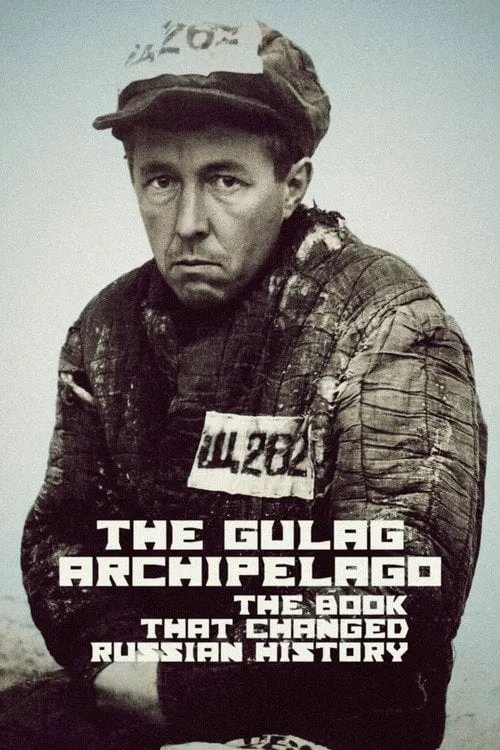
During World War II, Solzhenitsyn served as an artillery captain in the Red Army, commanding a unit in major battles and receiving decorations for courage. In February 1945, while fighting in East Prussia, he was arrested by the Soviet secret police for criticizing Joseph Stalin in a private letter. He was sentenced to eight years in the Gulag prison camps, where he survived cancer and worked as a miner, bricklayer, and mathematician. After Stalin’s death, he was treated for cancer in Tashkent, an experience later fictionalized in Cancer Ward.

His first published work, the 1962 novella One Day in the Life of Ivan Denisovich, was allowed by Nikita Khrushchev and caused a sensation, exposing camp life. After Khrushchev’s fall in 1964, he faced repression. He smuggled manuscripts of The First Circle and Cancer Ward to the West. In 1970, he was awarded the Nobel Prize in Literature but could not travel to receive it. His magnum opus, The Gulag Archipelago, published abroad in 1973, led to his arrest and exile in 1974. He lived in the United States until the collapse of the Soviet Union, returning to Russia in 1994 where he was fully recognized and his works widely published.
Personal life

Solzhenitsyn was married twice. His first marriage was to Natalya Reshetovskaya, whom he wed on April 27, 1940; they divorced in November 1948. They remarried on February 2, 1957, but divorced again on July 22, 1972. In 1973, he married Natalia Svetlova, and they remained together until his death. He had three sons: Yermolai born 1970, Ignat born 1972, and Stephan born 1973. His wife and sons chose to remain American citizens even after Solzhenitsyn returned to Russia. He lived in Cavendish, Vermont during his exile, and later was granted a house near Moscow.

Legacy

Alongside Andrei Sakharov and Mstislav Rostropovich, Solzhenitsyn was a prominent dissident of the Soviet era. His works, especially The Gulag Archipelago, exposed the horrors of the Soviet labor camp system and influenced global understanding of totalitarianism. He received numerous honors, including the Nobel Prize in Literature 1970, the Templeton Prize, and the State Prize of the Russian Federation. Posthumously, his legacy continues through his writings and his impact on human rights discourse. His unyielding courage in speaking truth to power and his monumental literary indictment of Soviet repression define his legacy.

Filmography.

FILMS · 10

Browse the complete filmography of Aleksandr Solzhenitsyn — every film, TV show, and documentary credit, ranked by popularity.

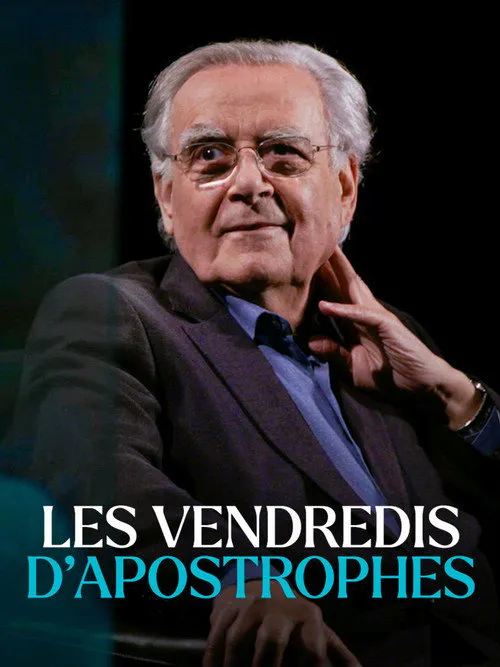
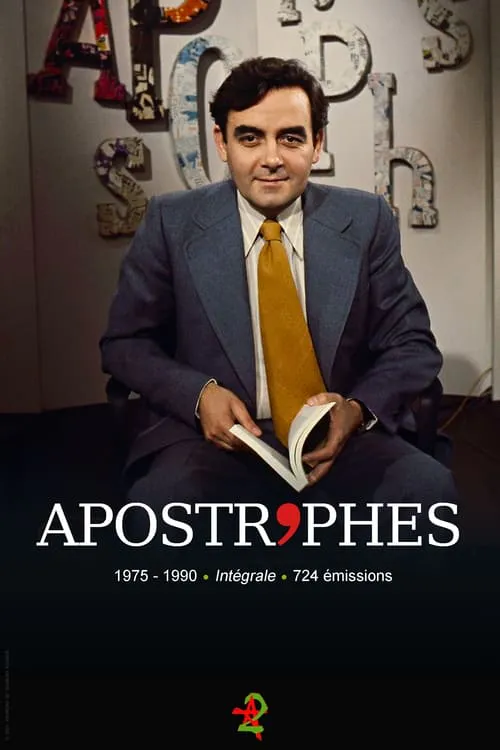
  1. TV Poster for Apostrophes

    Apostrophes

  2. TV Poster for Faith of the Century: a History of Communism

    Faith of the Century: a History of Communism

  3. Movie Poster for La TV Des 70'S: Quand Giscard éTait Président

    La TV Des 70'S: Quand Giscard éTait Président

  4. Movie Poster for Letter to Jane: an Investigation About a Still

    Letter to Jane: an Investigation About a Still

  5. Movie Poster for The Knot

    The Knot

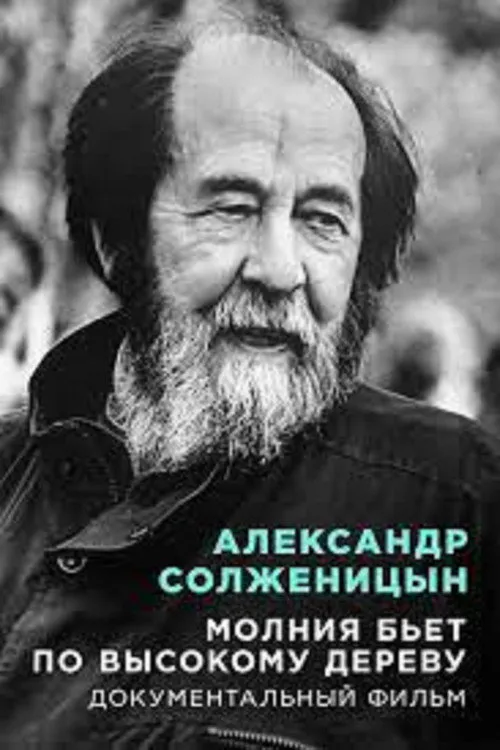
  6. Movie Poster for Aleksandr Solzhenitsyn Lightning Strikes a Tall Tree

    Aleksandr Solzhenitsyn Lightning Strikes a Tall Tree

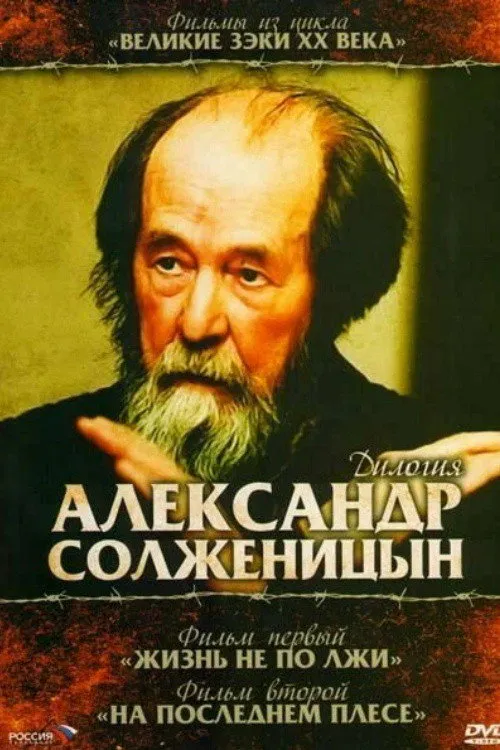
  7. Movie Poster for Solzhenitsyn: Trilogy

    Solzhenitsyn: Trilogy

Awards & honors.

AWARDS · 17

Every award, honor, and recognition received by Aleksandr Solzhenitsyn — Grammys, hall-of-fame inductions, civic honors, lifetime achievements.

  • Nobel Prize in Literature
  • Medal For the Victory over Germany in the Great Patriotic War 1941–1945
  • Order of the Patriotic War 2nd class
  • Templeton Prize
  • Order of the Red Star
  • Medal For the Capture of Königsberg
  • Lomonosov Gold Medal
  • Grand Cross of the Order of the Star of Romania
  • Order of St. Andrew the Apostle the First-Called
  • honorary doctor of Syracuse University
  • State Prize of the Russian Federation
  • International Botev Prize
  • TEFI
  • Order of the Star of Romania
  • Ordre des Arts et des Lettres
  • honorary citizen of Ryazan
  • The Hillman Prize for Book Journalism

Bibliography.

BOOKS · 61

Aleksandr Solzhenitsyn's bibliography — every authored, edited, and co-written book, ranked by edition count.

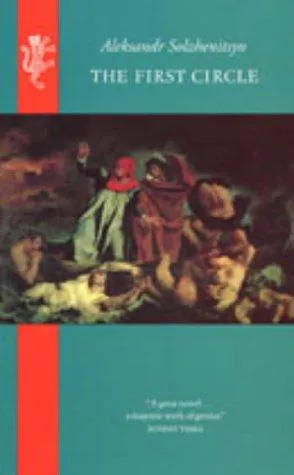
  1. Cover for The First Circle

    The First Circle

    by Александр Исаевич Солженицын

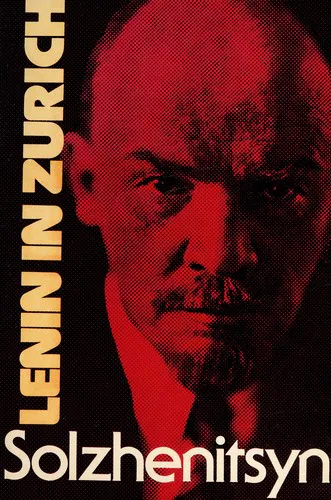
  2. Cover for Lenin in Zurich

    Lenin in Zurich

    by Александр Исаевич Солженицын

  3. Cover for Lecture

    Lecture

    by Александр Исаевич Солженицын

  4. Cover for One Day in the Life of Ivan Denisovich

    One Day in the Life of Ivan Denisovich

    by Александр Исаевич Солженицын et al.

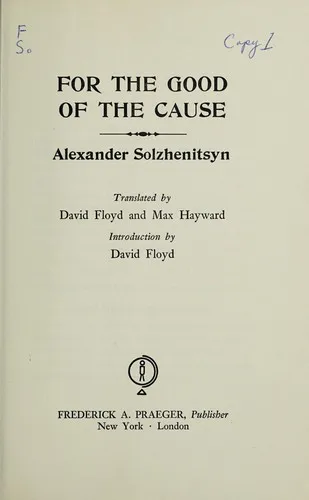
  5. Cover for For the Good of the Cause

    For the Good of the Cause

    by Александр Исаевич Солженицын

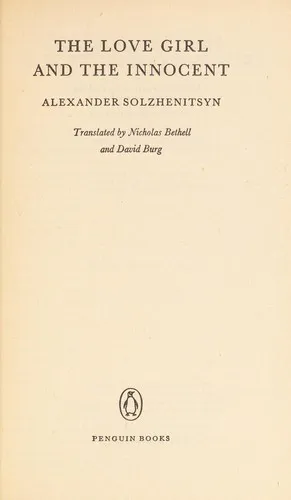
  6. Cover for The Love-Girl and the Innocent

    The Love-Girl and the Innocent

    by Александр Исаевич Солженицын

  7. Cover for Detente

    Detente

    by Александр Исаевич Солженицын

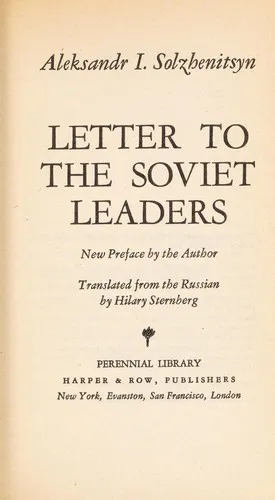
  8. Cover for Letter to Soviet Leaders

    Letter to Soviet Leaders

    by Александр Исаевич Солженицын

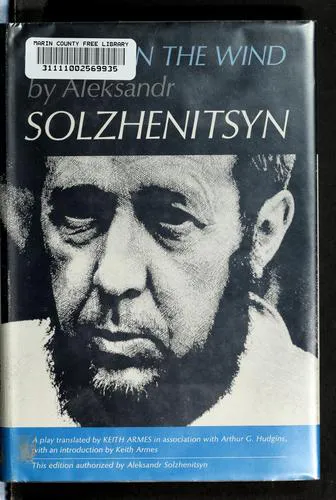
  9. Cover for Candle in the Wind

    Candle in the Wind

    by Александр Исаевич Солженицын

  10. Cover for Prentice Hall Literature [Grade Ten]

    Prentice Hall Literature [Grade Ten]

    by Kevin Feldman et al.

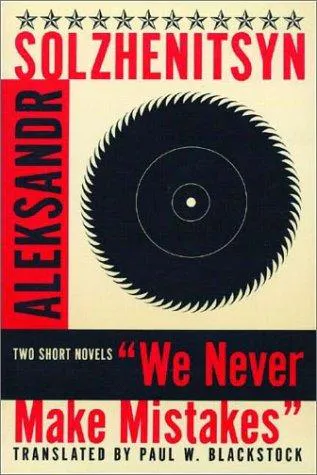
  11. Cover for We Never Make Mistakes

    We Never Make Mistakes

    by Александр Исаевич Солженицын

  12. Cover for Warning to the West

    Warning to the West

    by Александр Исаевич Солженицын

  13. Cover for Rebuilding Russia

    Rebuilding Russia

    by Александр Исаевич Солженицын

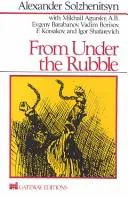
  14. Cover for From Under the Rubble

    From Under the Rubble

    by Александр Исаевич Солженицын

Notable quotes.

QUOTES · 2

A wall of memorable lines from Aleksandr Solzhenitsyn — lyrics, interviews, and off-the-cuff remarks captured over a lifetime.

  • The Line of Good and Evil Is Down the Middle of Every Person’s Heart.

  • If You Are Cold, Do Not Expect Any Sympathy from Someone Who Is Hot.

Did you know?

FACTS · 8

Little-known facts about Aleksandr Solzhenitsyn — origins, oddities, and behind-the-scenes details from a public life.

  1. Based on his own imprisonment in Stalin’s labor camps, The Gulag Archipelago is his best-known work.

  2. He was awarded the Nobel Prize for literature in 1970.

  3. Exiled from the Soviet Union in 1974, he returned to Russia in 1994 and settled in Moscow.

  4. Alongside Mstislav Rostropovich and Andrei Sakharov, he was one of the most prominent dissidents in the former Soviet Union.

  5. He earned two degrees, one in mathematics and one in physics.

  6. He had three sons: Yermolai born 1970, Ignat born 1972, and Stephan born 1973.

  7. He appears in the movie Cloud Atlas as an information page with his photograph, name, and The Gulag Archipelago on it, which Sonmi-451 accesses on a futuristic holographic Internet.

  8. One of the Compare the Market Meerkats is named after him.

You wanted to know.

FAQ · 45

Quick answers to the questions readers ask most about Aleksandr Solzhenitsyn.

Audited & updated by

Emma Richardson

Senior Editorial Director & Managing Editor

Emma has 8 years of editorial experience and a very clear idea of what a good biography looks like. At Famousy, she runs the editorial operation and decides what meets the bar and what doesn't. She's the kind of editor who remembers the profiles she pushed back on more clearly than the ones she approved. That's not a complaint. That's exactly why the site reads the way it does.

Report an issue

If something on this page looks off, we genuinely want to know about it. Send us a quick email with the celebrity's name, the detail that seems incorrect, and any sources you're referencing. We review every report and update the page as soon as we can.

Report an issue