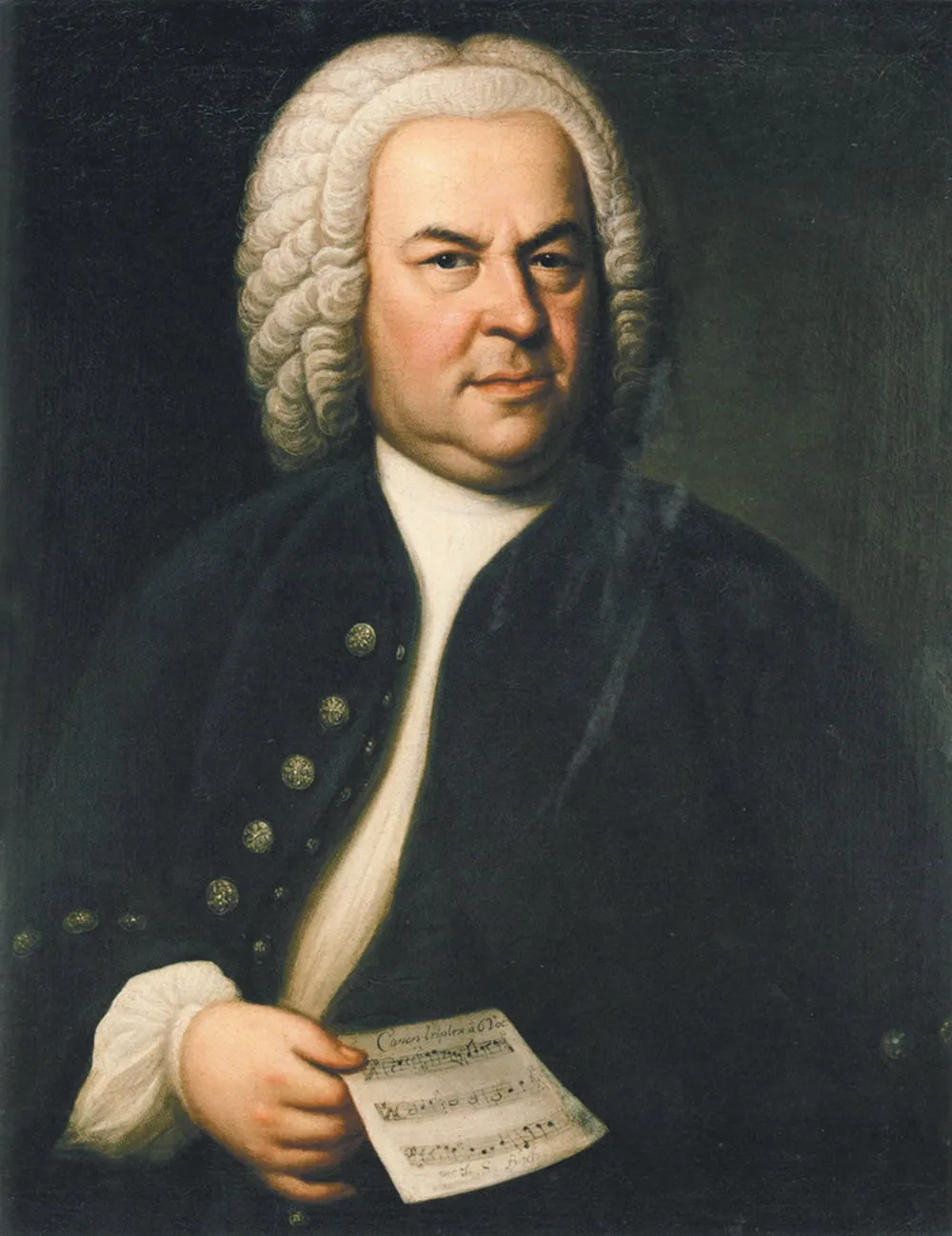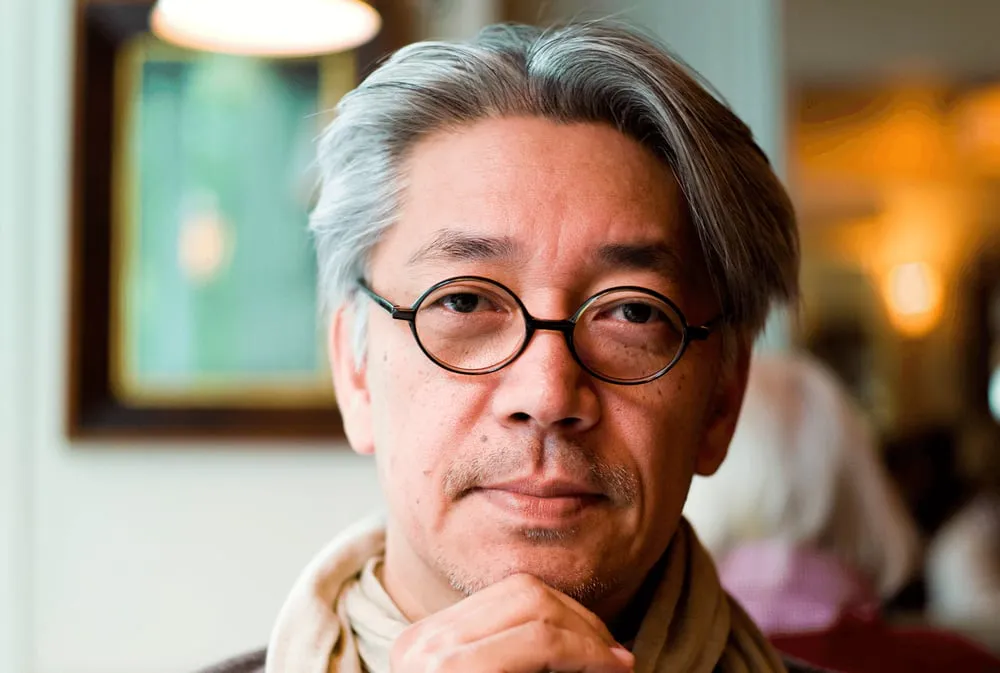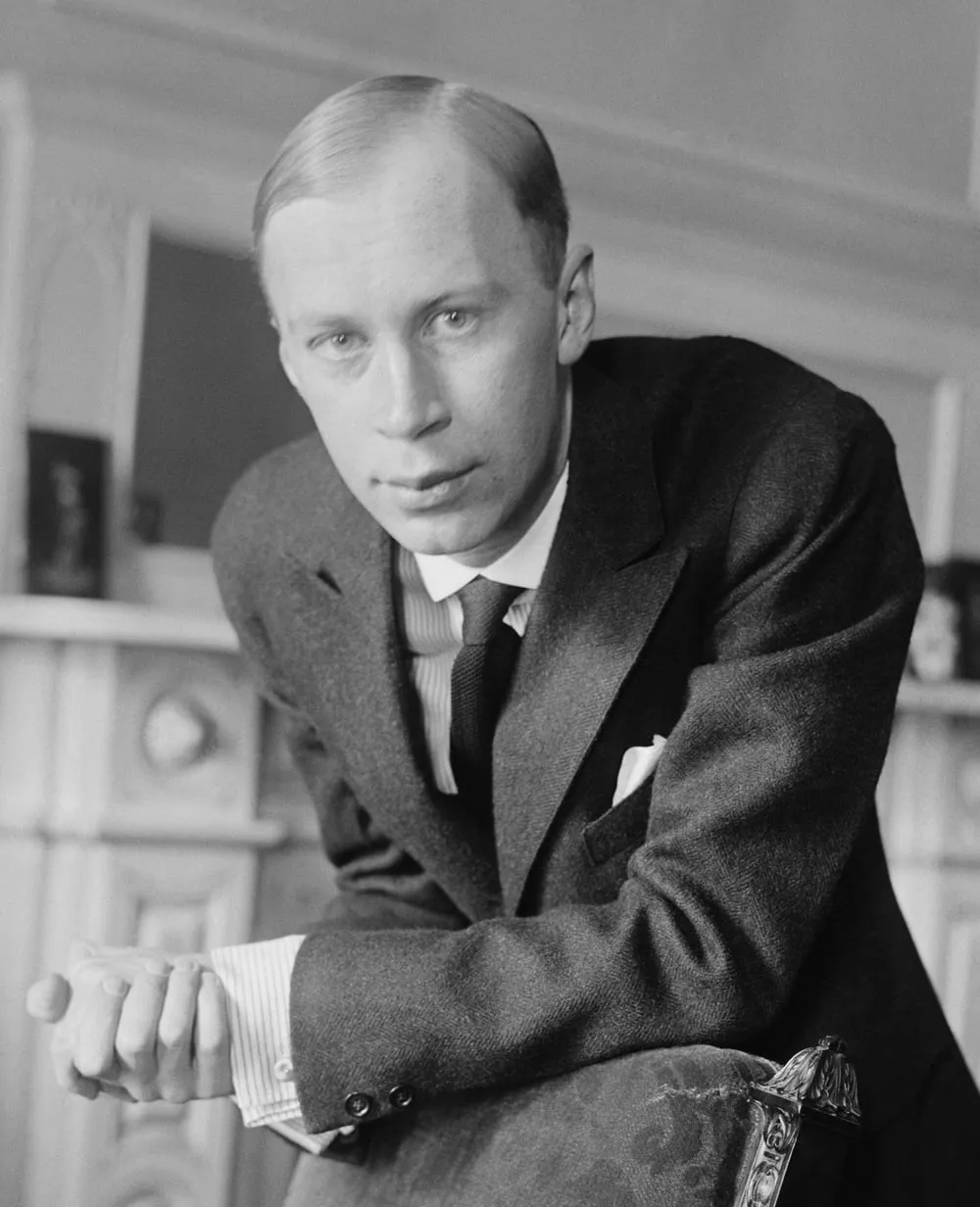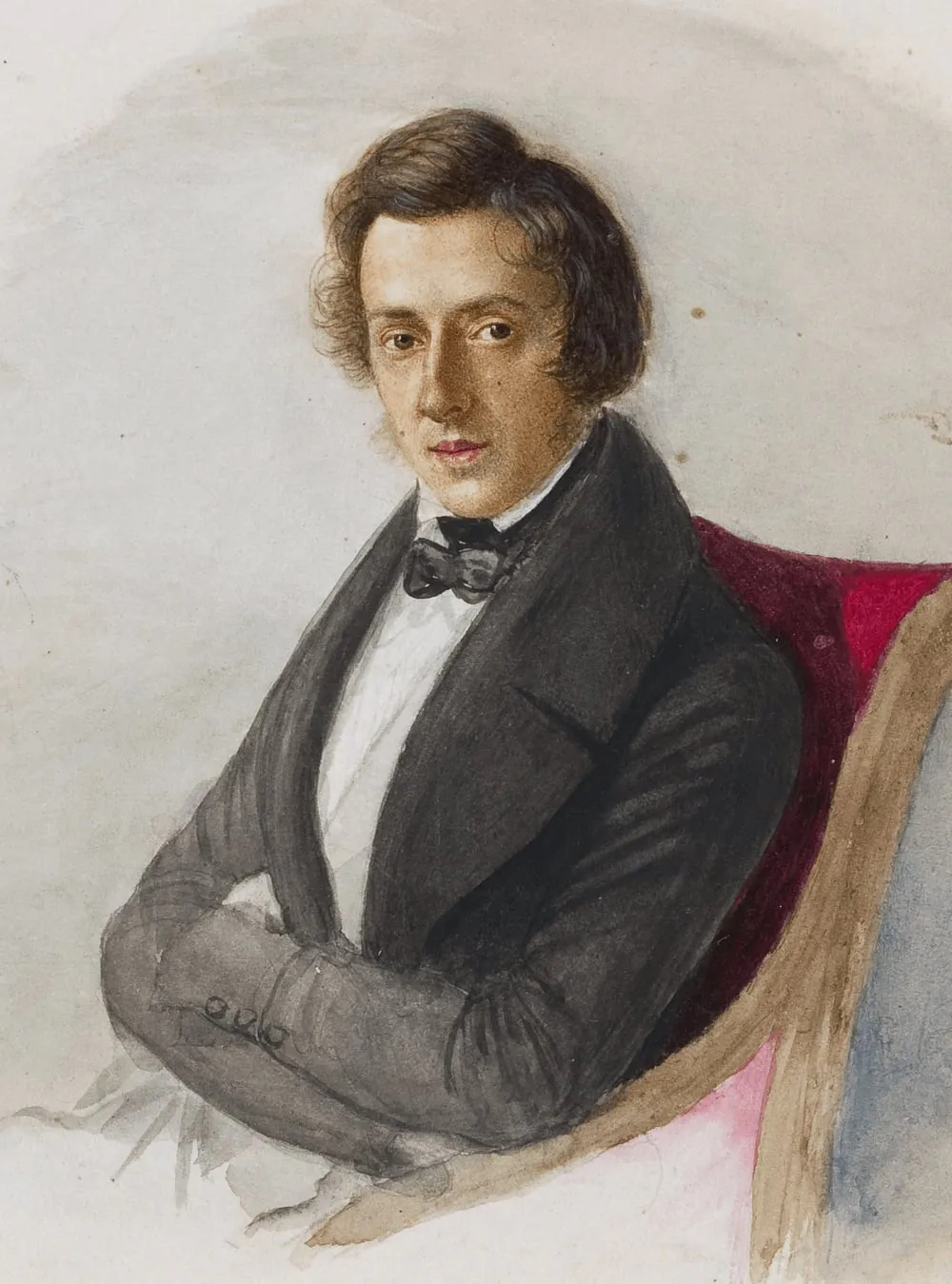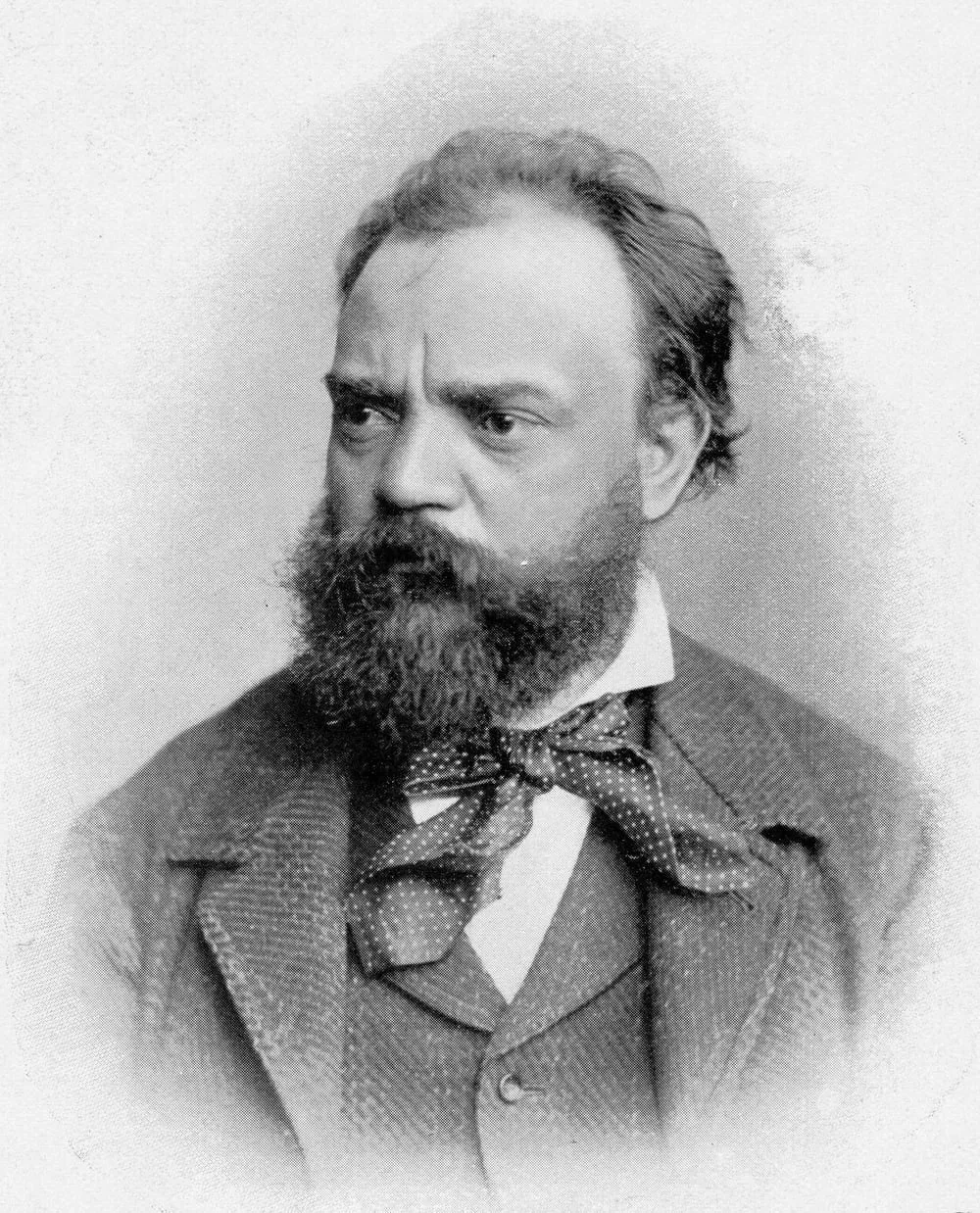
Antonín Dvorák.

Antonín Dvořák Antonín Leopold Dvořák

Antonín Dvorák — Academic
Born Nelahozeves, Czech Republic
Died Prague, Czech Republic
Citizenship Czech Republic

7 min read

Reading time

1,373

Words

Published

16

Books

4

Awards

TL;DR

Antonín Dvorák premiered his Symphony No. 9 From the New World at Carnegie Hall in December 1893. He was born in 1841 in Nelahozeves, studied at the Prague Organ School, and became a professor at the Prague Conservatory. His music blended Bohemian roots with American influences, earning him honorary doctorates and international fame. He died in Prague in 1904.

Identity & family.

KIN · 6

Names, aliases, and relatives of Antonín Dvorák — birth name, kin, and personal ties.

Birth Name Antonín Leopold Dvořák
Native Name Antonín Dvořák
Aliases Antonin Dvorak, Anton Dvorak, Dvorak, Antonin Dvorjak, Antonin Dvorzhak, Anton Dvorák, Antonína Dvoráka
Parents
Anna Dvořáková František Dvořák
Spouses
Anna Cermakova
Children
Otilie Suková Otakar Dvořák Magdalena Dvořáková

At a glance.

STATS

Antonín Dvorák by the numbers — life, work, and family.

62 Years lived
16 Books
4 Awards
1 Marriage
3 Children

Who was Antonín Dvorák?

BIOGRAPHY

Antonín Dvorák — early life, career, personal life, and legacy.

Early life

In 1859, Antonín Dvorák graduated from the Pipe Organ School in Prague, a milestone that set him apart from his father František Dvořák, a butcher in Nelahozeves. While helping at the family shop, Dvorák pursued music, becoming an accomplished violinist and violist. He joined the Bohemian Theatre Orchestra under Bedřich Smetana in the 1860s, but financial struggles forced him to leave and focus on composing and teaching.
Career

Dvorák’s breakthrough came with the Slavonic Dances in the 1880s, which won him international acclaim and an honorary doctorate from Cambridge in 1891. In 1892, he accepted an invitation from Jeanette Thurber to direct the National Conservatory of Music in New York, where he taught composition and studied Native American and African American music. There he composed his most famous work, Symphony No. 9 From the New World, premiered at Carnegie Hall in December 1893, as well as the Cello Concerto and the String Quartet No. 12 American.

Personal life

In 1873, Dvorák married Anna Čermáková, the sister of a student he had previously loved. The couple had nine children, including Otilie, Otakar, and Magdalena. Despite a lucrative $15,000 salary at the American Conservatory, Dvorák grew homesick and returned to Prague in the spring of 1895, leaving his post before the term ended. He became Director of the Prague Conservatory in 1901.

Legacy

Dvorák’s synthesis of Bohemian folk elements with American influences changed the trajectory of classical music. His Symphony No. 9 From the New World is a frequently performed symphony worldwide. He received the Order of the Iron Crown from both Italy and Austria, and an honorary membership in the Royal Philharmonic Society. His nine symphonies, including four published posthumously, established him as a master of orchestral writing. He is remembered for proving that national identity can enrich classical music without borrowing actual folk tunes.

Awards & honors.

AWARDS · 4

Every award, honor, and recognition received by Antonín Dvorák — Grammys, hall-of-fame inductions, civic honors, lifetime achievements.

  • Order of the Iron Crown Kingdom of Italy
  • honorary doctor of the Charles University of Prague
  • Order of the Iron Crown Austria
  • Honorary Member of the Royal Philharmonic Society

Bibliography.

BOOKS · 16

Antonín Dvorák's bibliography — every authored, edited, and co-written book, ranked by edition count.

  1. Cover for Dvorak

    Dvorak

    by Antonín Dvořák

  2. Cover for Music Minus One Piano

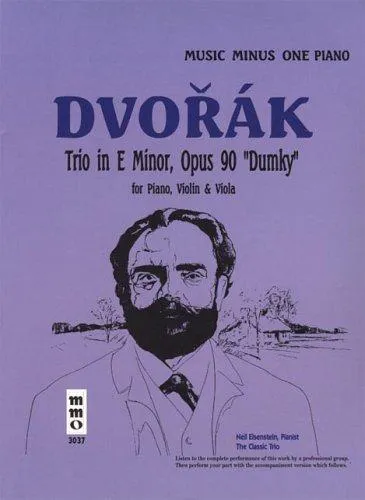
    Music Minus One Piano

    by Antonín Dvořák

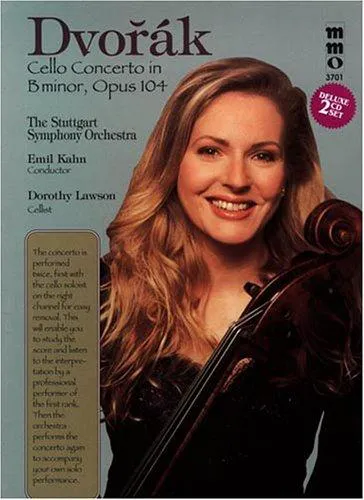
  3. Cover for Music Minus One Cello

    Music Minus One Cello

    by Antonín Dvořák

  4. Cover for Sonatina for Violin and Piano

    Sonatina for Violin and Piano

    by Antonín Dvořák

  5. Cover for Complete Legends, Op. 59, for Piano Four Hands

    Complete Legends, Op. 59, for Piano Four Hands

    by Antonín Dvořák

  6. Cover for Five Late String Quartets

    Five Late String Quartets

    by Antonín Dvořák

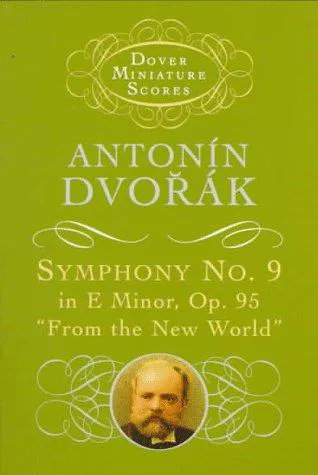
  7. Cover for Symphony No. 9

    Symphony No. 9

    by Antonín Dvořák

  8. Cover for Mass in D, Op. 86 - Vocal Score

    Mass in D, Op. 86 – Vocal Score

    by Antonín Dvořák

  9. Cover for Complete Slavonic Dances for Piano Four Hands

    Complete Slavonic Dances for Piano Four Hands

    by Antonín Dvořák

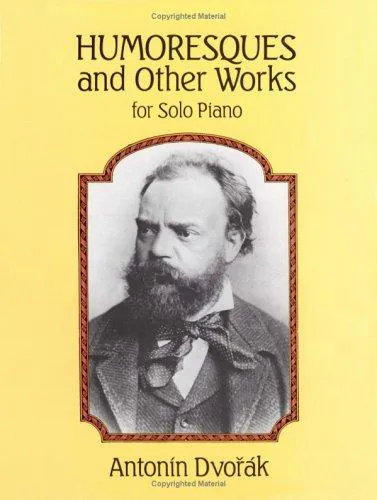
  10. Cover for Humoresques and Other Works for Solo Piano

    Humoresques and Other Works for Solo Piano

    by Antonín Dvořák

  11. Cover for Te Deum, Op. 103 - Vocal Score

    Te Deum, Op. 103 – Vocal Score

    by Antonín Dvořák

  12. Cover for Stabat Mater in Full Score

    Stabat Mater in Full Score

    by Antonín Dvořák

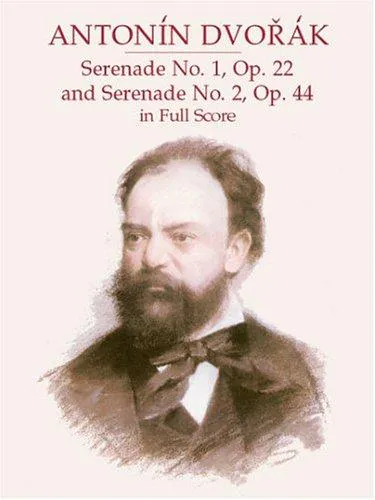
  13. Cover for Serenade No. 1, Op. 22 & Serenade No. 2, Op. 44

    Serenade No. 1, Op. 22 & Serenade No. 2, Op. 44

    by Antonín Dvořák

  14. Cover for Vodnik - Water Sprite Op. 107

    Vodnik – Water Sprite Op. 107

    by Antonín Dvořák

Showing 14 of 16 View all 16 books

Did you know?

FACTS · 5

Little-known facts about Antonín Dvorák — origins, oddities, and behind-the-scenes details from a public life.

  1. Dvorák composed his Symphony No. 9, titled From the New World, during his stay in the United States; it premiered at Carnegie Hall in December 1893.

  2. Of Dvorák’s nine symphonies, only five were published during his lifetime; the remaining four were discovered posthumously, leading to a renumbering of his symphonic works.

  3. Dvorák served as Director and Professor of Composition at the American Conservatory of Music in New York from 1892 to 1895. He spent the summer of 1893 in the Czech community of Spillville, Iowa. He left his $15,000-a-year position in the spring of 1895, returning to Bohemia due to homesickness.

  4. In 1901, Dvorák became Director of the Prague Conservatory, a position he held until his death in 1904.

  5. Despite the folk-like quality of his melodies, Dvorák never borrowed actual folk tunes; the fourth movement of his Symphony No. 9 has a passage reminiscent of Three Blind Mice, but it is entirely original.

You wanted to know.

FAQ · 28

Quick answers to the questions readers ask most about Antonín Dvorák.

Audited & updated by

Sophia Bennett

Associate Editor & Editorial Content Coordinator

Sophia has 4 years of editorial experience and a habit of becoming the person any team leans on when they need to know where something stands. At Famousy, she manages the content pipeline, coordinates reviews, and handles the detail work that keeps a large editorial operation from falling apart. She reads a lot of profiles in the process and she's developed a sharp instinct for when something doesn't feel right. She flags it. It usually is.

Report an issue

If something on this page looks off, we genuinely want to know about it. Send us a quick email with the celebrity's name, the detail that seems incorrect, and any sources you're referencing. We review every report and update the page as soon as we can.

Report an issue