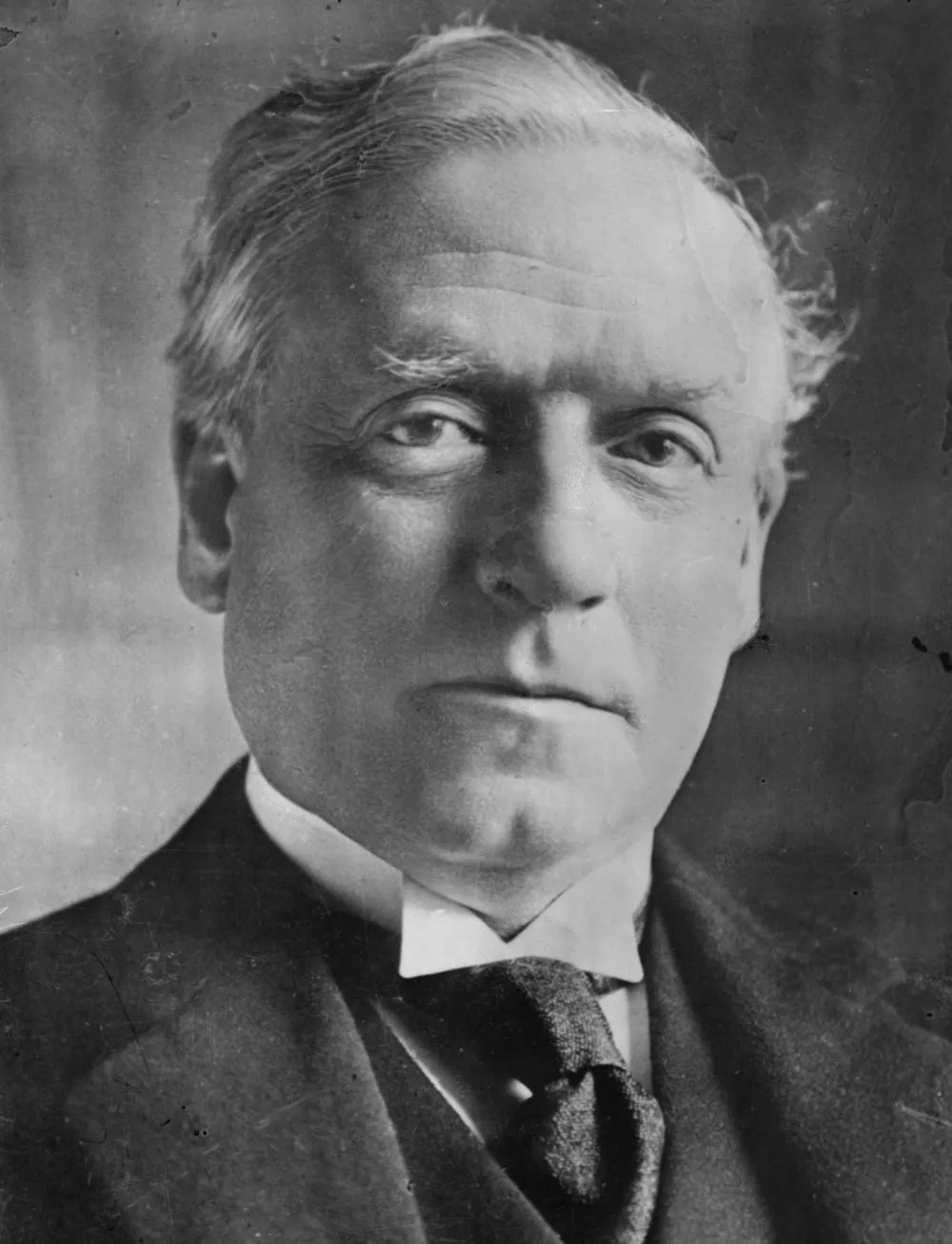
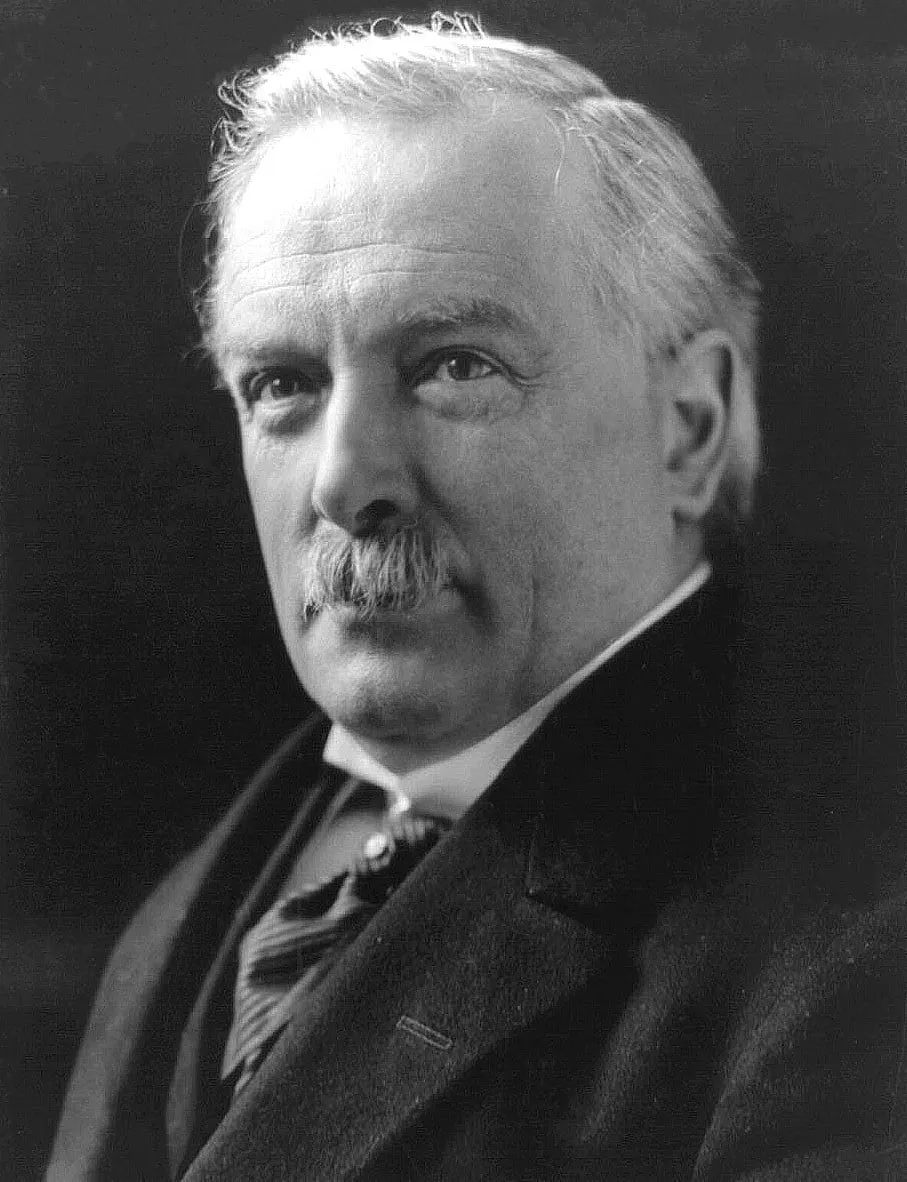
Asquith first entered Parliament in 1886 as Liberal MP for East Fife. In 1892, he became Home Secretary under William Gladstone, a role in which he signed the arrest warrant for Oscar Wilde. After the Liberals’ 1906 landslide, he served as Chancellor of the Exchequer under Campbell-Bannerman, championing free trade. He succeeded Bannerman as Prime Minister in April 1908, becoming the first middle-class PM.
His government introduced old-age pensions in 1908, earning him the title father of the British welfare state. The People’s Budget of 1909 sparked a constitutional crisis, resolved by the Parliament Act 1911, which curbed the Lords’ veto. Asquith also steered the Third Irish Home Rule Bill through Parliament in 1914, though its implementation was suspended by World War I.
The war exposed leadership failures: the Shell Crisis of 1915 forced a coalition government, and the Easter Rising of 1916 in Dublin added pressure. Blamed for military setbacks, Asquith resigned on December 5, 1916, and was succeeded by David Lloyd George. He returned to the Commons in a 1920 by-election and helped the Labour Party form a minority government in 1924. In 1925, he was elevated to the peerage as Earl of Oxford and Asquith.