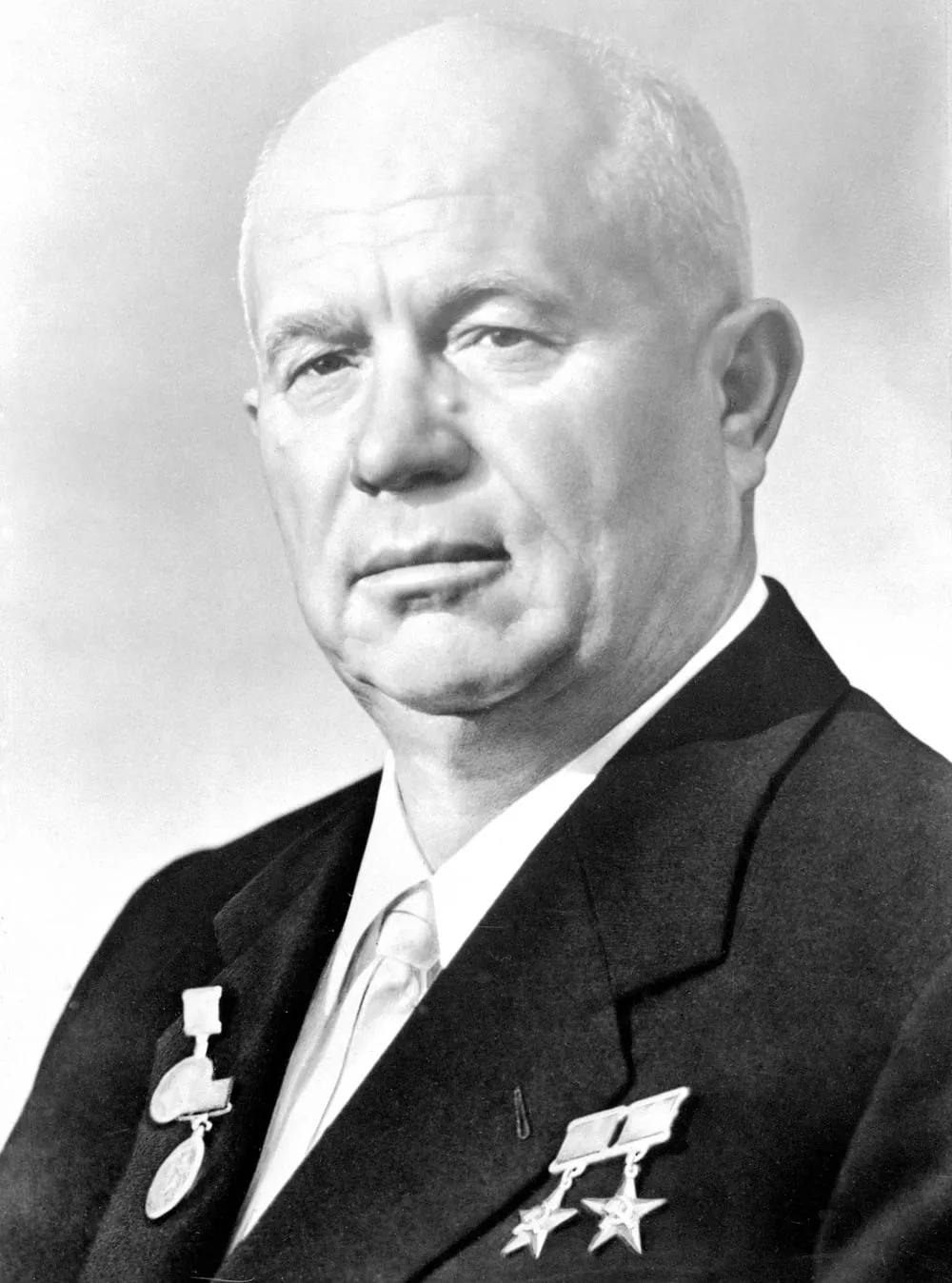
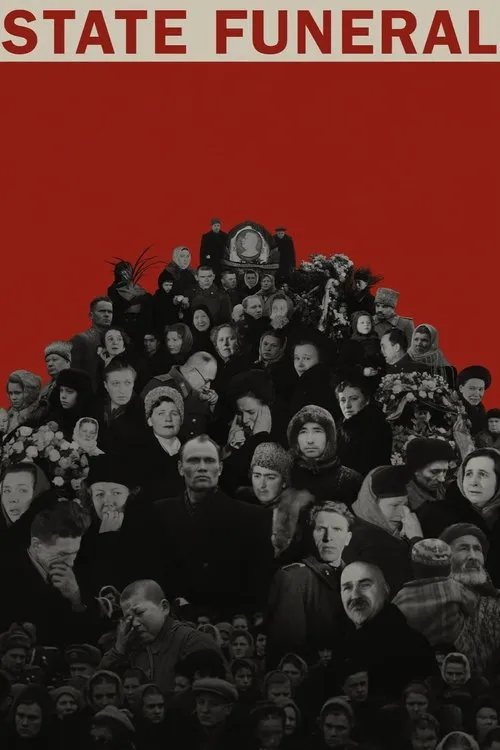
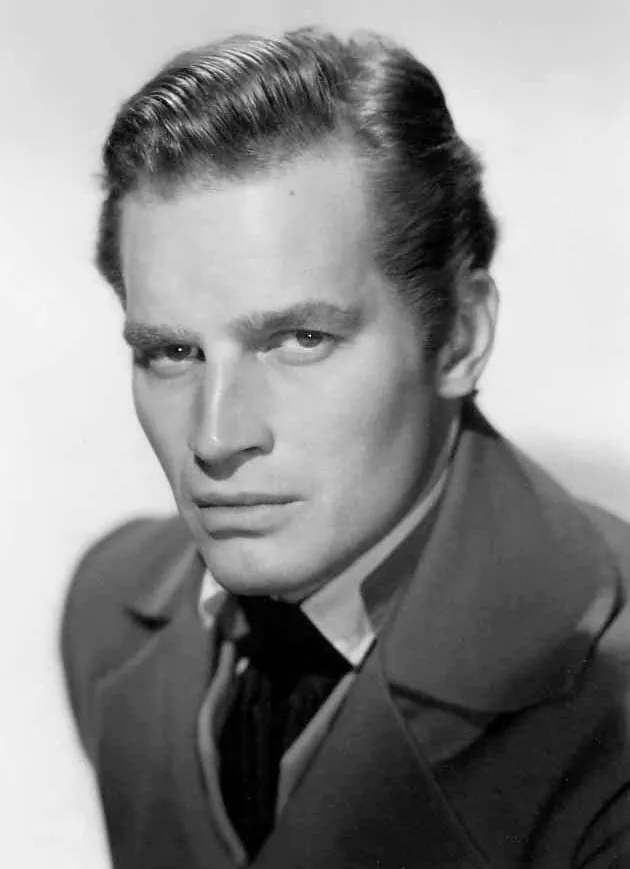
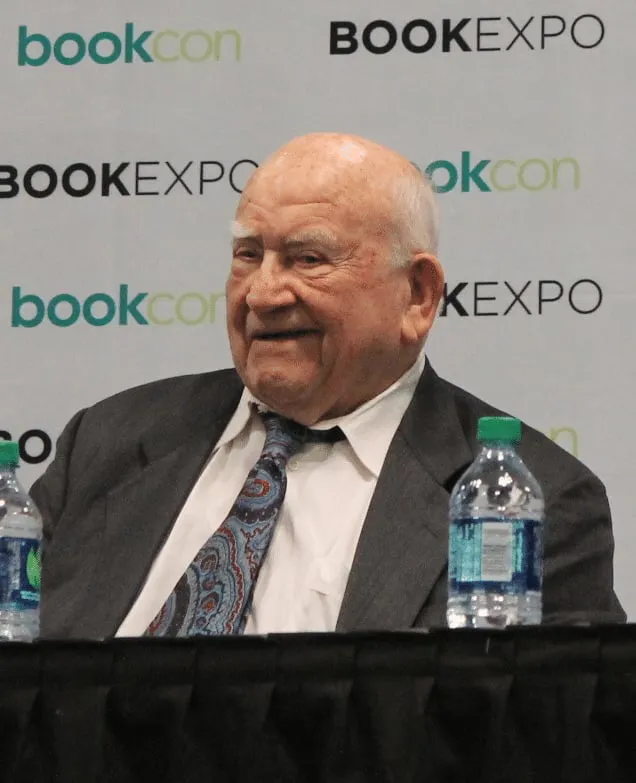
Khrushchev rose through party ranks, becoming First Secretary of the Ukrainian Communist Party in 1938 and a member of the Politburo. During World War II, he served as a political commissar at the Battle of Stalingrad in 1942–1943. After Stalin’s death on March 5, 1953, Khrushchev emerged as party leader on September 7, 1953, after eliminating rivals like Lavrenti Beria.
In a historic closed-door speech on February 23, 1956, at the 20th Party Congress, Khrushchev denounced Stalin’s purges and personality cult. He initiated the cultural Thaw, rehabilitating hundreds of thousands of victims, allowing foreign cultural exchanges, and permitting the publication of Aleksandr Solzhenitsyn’s Gulag exposé in 1962. However, his agricultural policies, such as the forced corn campaign, caused food shortages and the Novocherkassk uprising in 1962. Internationally, he built the Berlin Wall in 1961 and faced down the Cuban Missile Crisis in 1962.