-
01
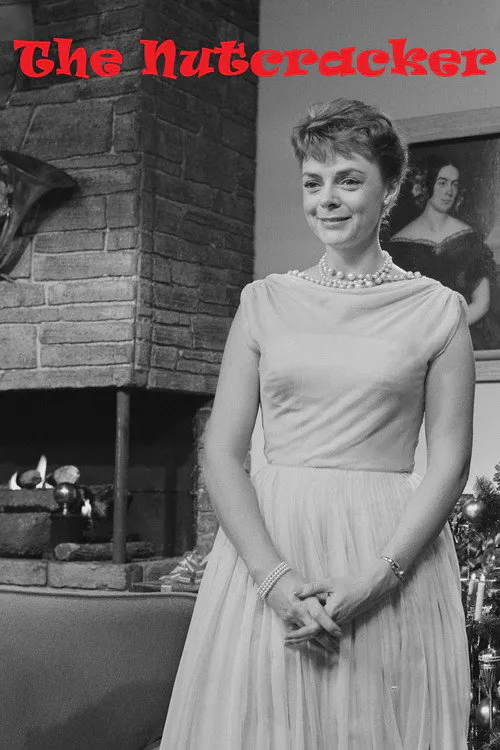
Balanchine’s 1954 production of Tchaikovsky’s The Nutcracker is his most famous work, largely credited with making the full ballet an annual Christmas tradition across the United States. It has been staged in New York every year since 1954, and Atlanta became the first city outside New York to license the Balanchine version in 1965. The production has also been filmed.
-
02
A knee injury forced Balanchine to stop dancing early in his career, prompting him to focus on choreography.
-
03
As co-founder of both the New York City Ballet and the School of American Ballet, Balanchine created more than 80 works specifically for his NYCB dancers.
-
04
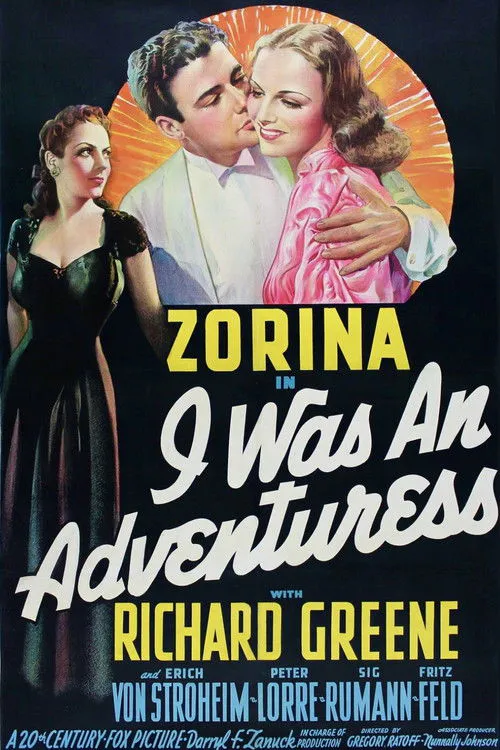
Two of Balanchine’s wives performed the same role in different productions of the musical On Your Toes, both dancing the ballet Slaughter on Tenth Avenue. Tamara Geva originated the role in the 1936 Broadway production opposite Ray Bolger, while Vera Zorina played the part in the 1939 film adaptation, which omitted the songs but retained the ballet sequences.
-
05
Balanchine’s father, Meliton Balanchivadze, was a Georgian composer, and his brother, Andrei Balanchivadze, also became a composer.
-
06
Balanchine harbored unrequited romantic feelings for his muse Suzanne Farrell, a prima ballerina at NYCB. He obtained a Mexican divorce from his wife in hopes of marrying Farrell, but upon his return, discovered she had married fellow dancer Paul Mejia. He expelled Mejia from the company, and Farrell left in solidarity. They later reconciled, and Farrell rejoined the company, but Balanchine never remarried.
-
07
Balanchine’s earliest choreographed work was a pas de deux titled La Nuit, which he performed with a female partner.
-
08
As a child, Balanchine and his sister auditioned for the Imperial Theater School in St. Petersburg. Only Balanchine was accepted, and he was one of the few boys in the program.
-
09
To survive the Russian Revolution, Balanchine played piano in cabarets and silent movie theaters, earning food and drink instead of worthless money.
-
10
On February 5, 1970, Balanchine received the Handel Medallion, New York City’s highest cultural honor, at the State Theatre at Lincoln Center.
-
11
A biography of Balanchine appears in The Scribner Encyclopedia of American Lives, Volume One 1981-1985, pages 32-35, published in 1998.
-
12
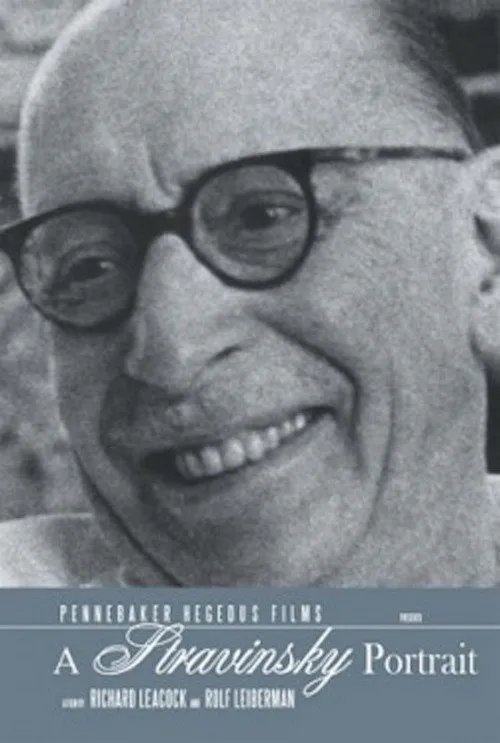
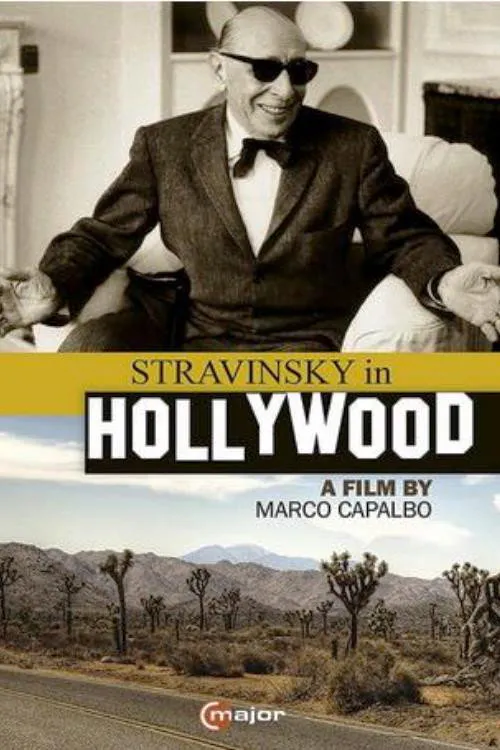
Balanchine’s choreography emphasized musicality, translating music into dance. He collaborated frequently with leading composers such as Igor Stravinsky.
-
13
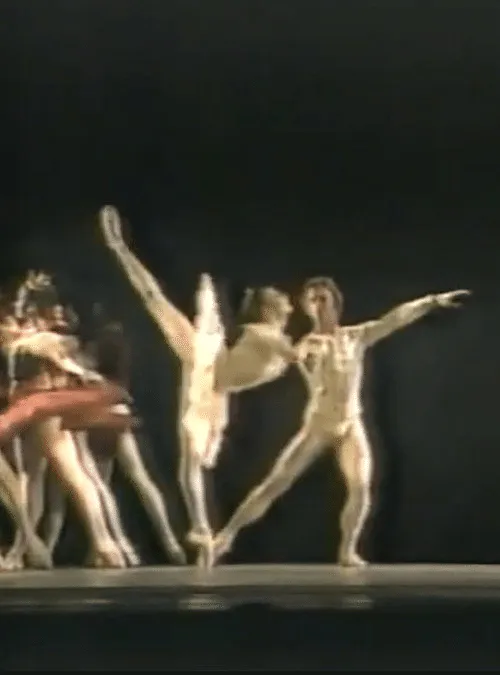
Balanchine’s distinctive style featured plotless ballets with sparse costumes and sets, set to classical and neoclassical music.
-
14
A crater on the planet Mercury has been named Balanchine in his honor.
-
15
A monument at the Tbilisi Opera and Ballet Theatre in Georgia commemorates Balanchine’s legacy.
-
16
In 1933, arts patron Lincoln Kirstein invited Balanchine to America, leading to the co-founding of the School of American Ballet. Together they later established the New York City Ballet.
-
17
In June 1990, a portion of West 63rd Street in New York City was renamed George Balanchine Way.
-
18
Through the School of American Ballet, the New York City Ballet, and over 400 choreographed works, Balanchine revolutionized American dance, creating the neoclassical style known for its speed and attack.
-
19
Balanchine died on April 30, 1983, at age 79 in Manhattan from Creutzfeldt-Jakob disease, which was only diagnosed posthumously. His symptoms began in 1978 with loss of balance while dancing, and by 1982 he was incapacitated. The night he died, the New York City Ballet performed as scheduled.
-
20
Balanchine married Tamara Geva in 1923 when she was sixteen. After their separation, he had a common-law relationship with ballerina Alexandra Danilova from 1924 to 1931, though he remained legally married to Geva.