-
01
Rubens painted many images of plump female figures. His Massacre of the Innocents 1611 sold for $76.2 million in 2002 at Sotheby’s to Lord Thomson’s son.
-
02
One of his most accomplished students was Anthony van Dyck.
-
03
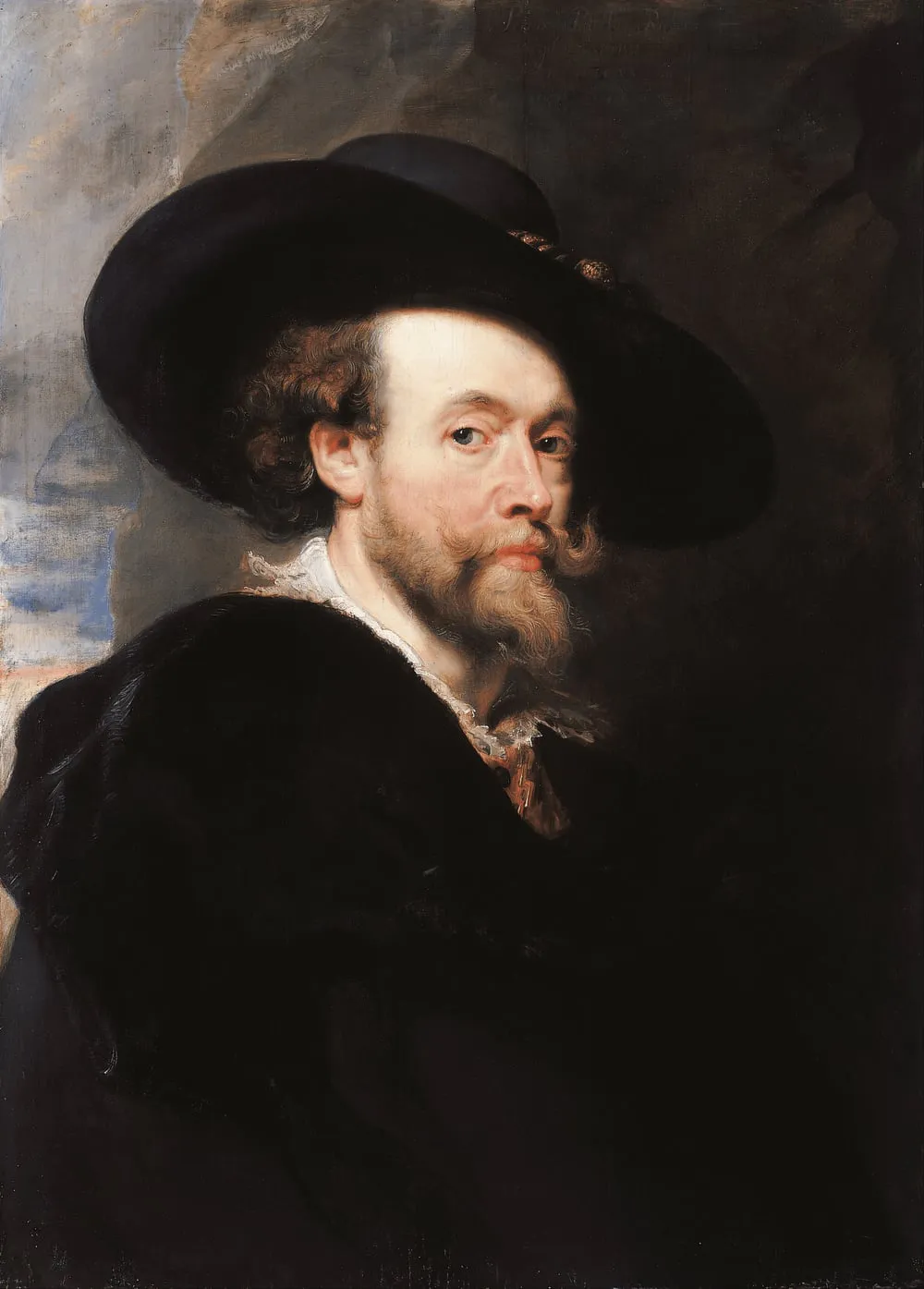
Rubens was a Flemish artist and diplomat from the Duchy of Brabant in the Southern Netherlands modern-day Belgium.
-
04
Art historians regard him as the most influential Flemish Baroque artist.
-
05
At a Sotheby’s auction on 10 July 2002, Rubens’s painting Massacre of the Innocents, rediscovered shortly before, sold for £49.5 million US$76.2 million to Lord Thomson.
-
06
Paintings from Rubens’s workshop fall into three categories: those painted by himself, those he painted in part mainly hands and faces, and copies supervised from his drawings or oil sketches.
-
07
At a Christie’s auction in 2012, Portrait of a Commander sold for £9.1 million US$13.5 million despite a dispute over authenticity that led Sotheby’s to refuse auctioning it as a Rubens.
-
08
Rubens admired Leonardo da Vinci’s work. Using an engraving made 50 years after Leonardo started his Battle of Anghiari project, Rubens created a masterly drawing of the battle now in the Louvre. As archaeologist Salvatore Settis notes, the idea that an ancient copy can be as important as the original is familiar to scholars.
-
09
One of his most frequent collaborators was Jan Brueghel the Younger.
-
10
In 1621, the Queen Mother of France Marie de Medici commissioned Rubens to paint two large allegorical cycles celebrating her life and that of her late husband Henry IV for the Luxembourg Palace in Paris. The Marie de Medici cycle now in the Louvre was installed in 1625, and though he began the second series, it was never completed.
-
11
By fourteen, he began his artistic apprenticeship with Tobias Verhaeght.
-
12
He often subcontracted elements like animals, landscapes, or still-lifes in large compositions to specialists such as animal painters Frans Snyders and Paul de Vos, or to Jacob Jordaens.
-
13
At the request of canon van Parijs, Rubens’s epitaph, written in Latin by his friend Gaspar Gevartius, was chiseled on the chapel floor. In Renaissance tradition, the epitaph compares Rubens to Apelles, the most famous painter of Greek Antiquity.
-
14
He was one of the last major artists to consistently use wooden panels as a support medium, even for very large works, but he also used canvas, especially when the work needed to be shipped long distances.
-
15
For altarpieces he sometimes painted on slate to reduce reflection problems.