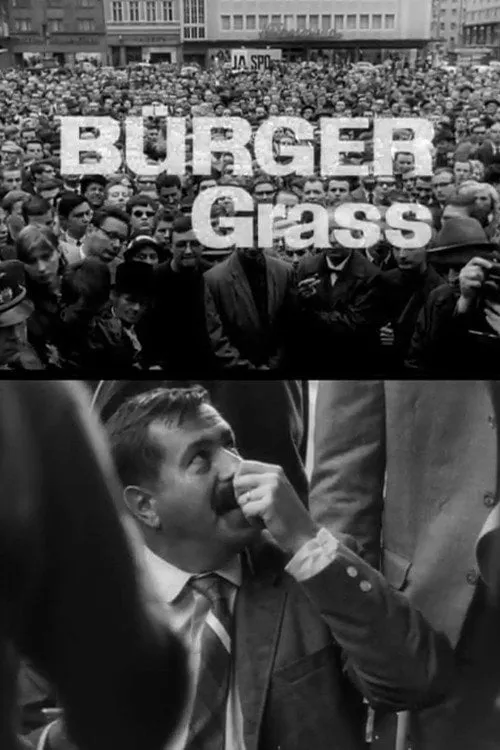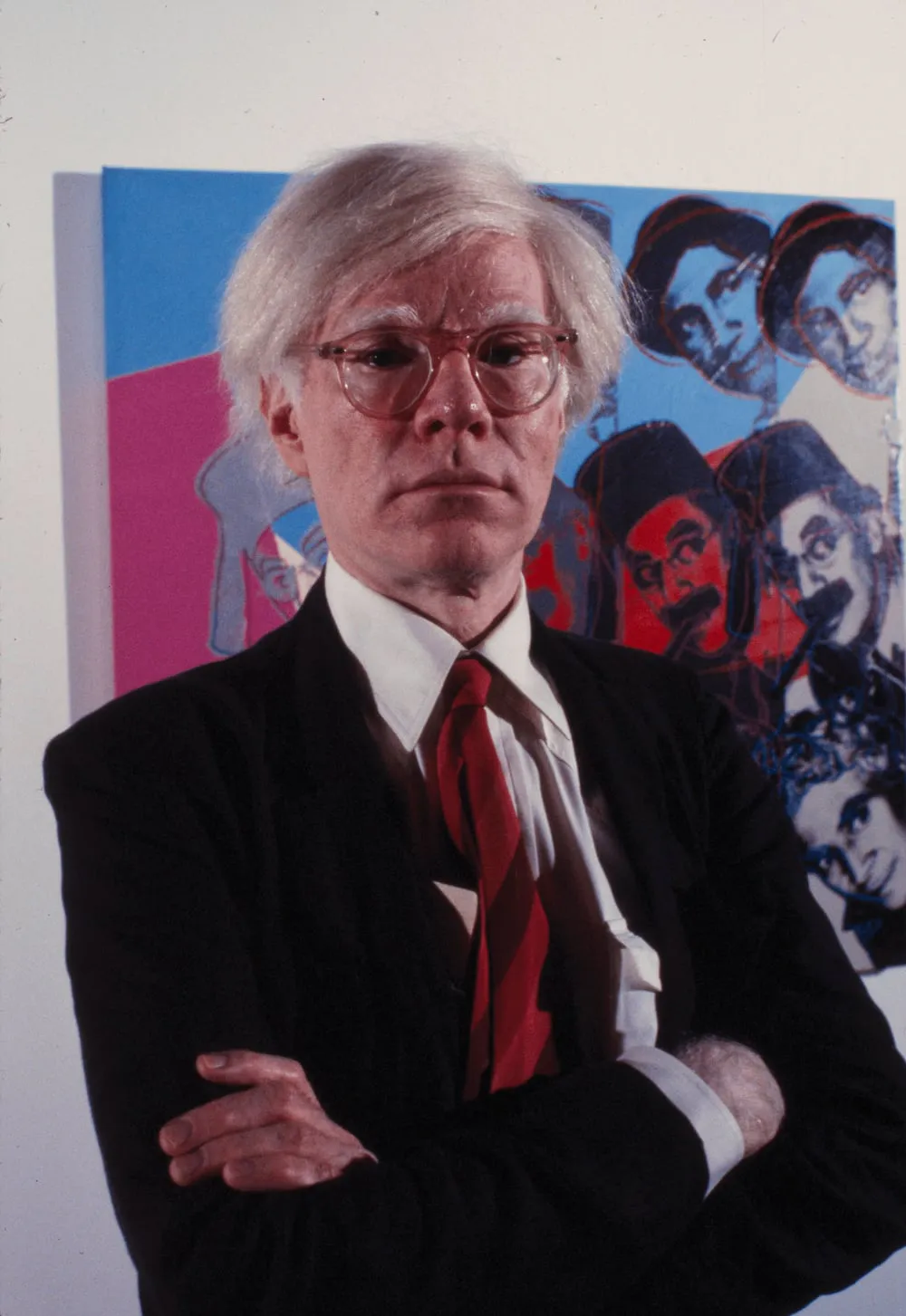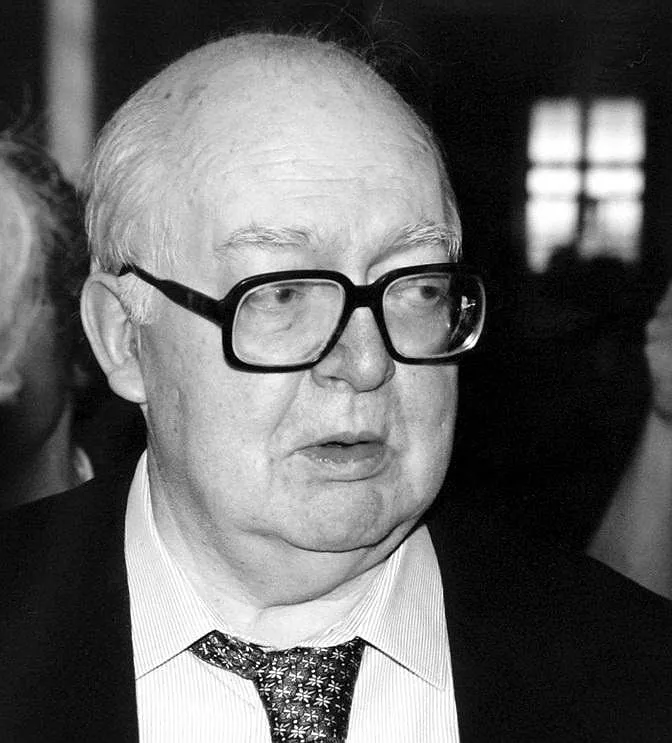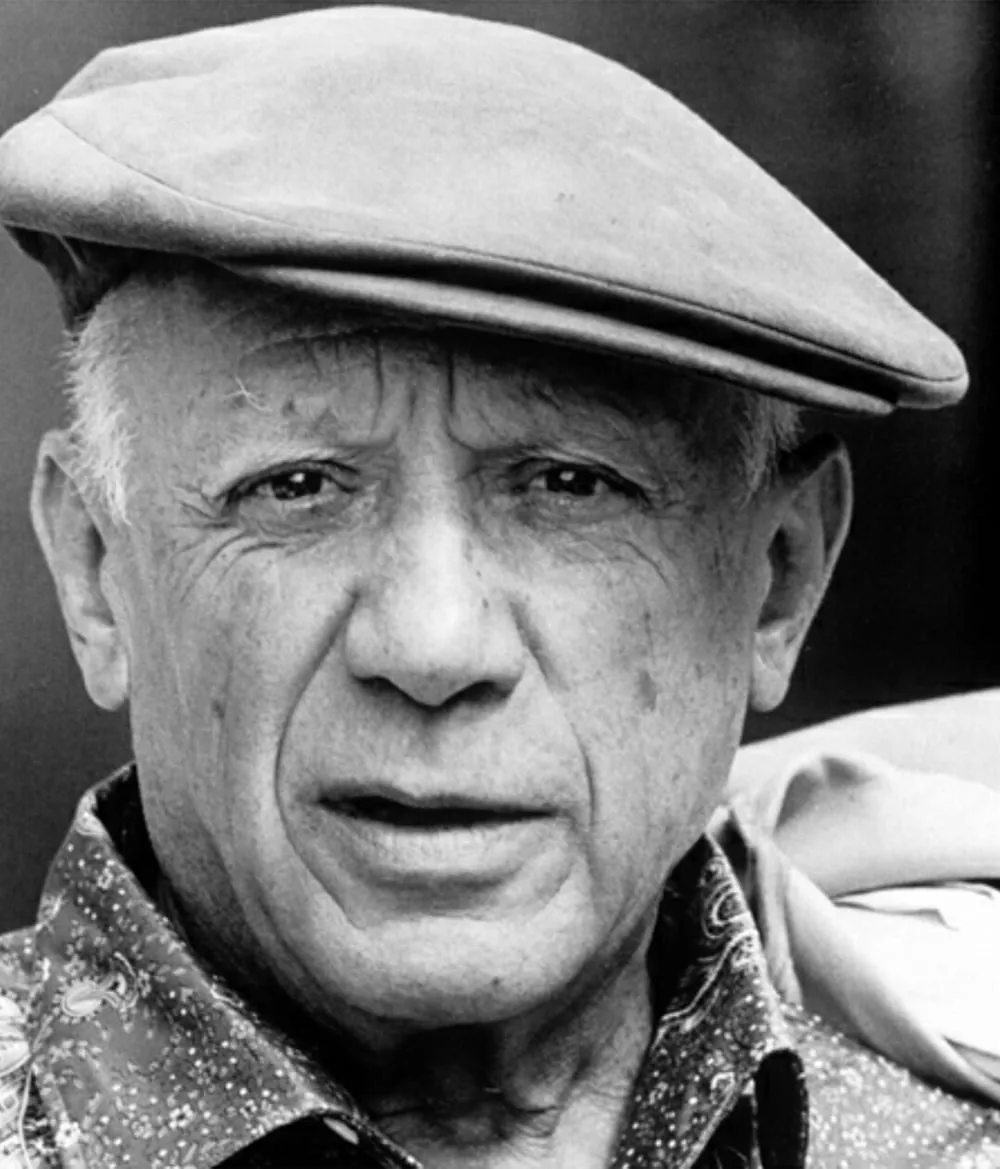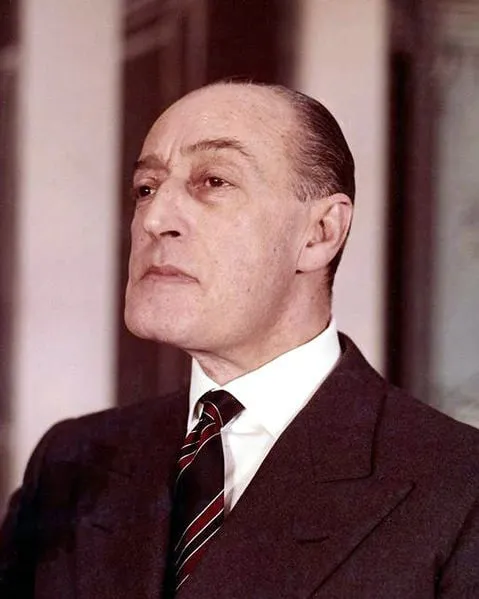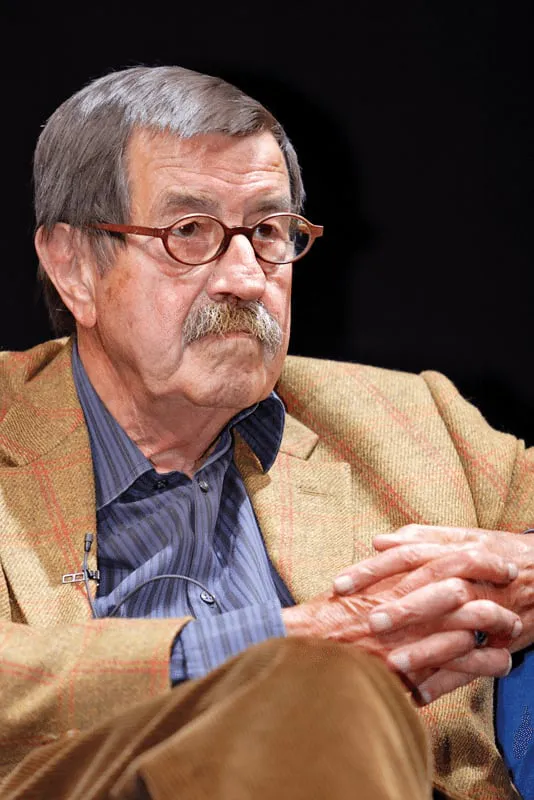
Günter Grass.

Günter Wilhelm Grass

Günter Grass — Illustrator
Born Gdańsk, Poland
Died Lübeck, Germany
Citizenship Poland
Would Be 98 yr If Living

9 min read

Reading time

1,655

Words

Published

14

Film credits

148

Books

28

Awards

TL;DR

Günter Grass won the Nobel Prize in Literature in 1999 for his novel The Tin Drum. He was a prolific writer and political activist who served in the Waffen-SS during World War II, a fact he revealed in 2006. Grass co-founded the Willy Brandt Circle and received numerous awards including the Georg Büchner Prize.

Identity & family.

KIN · 4

Names, aliases, and relatives of Günter Grass — birth name, kin, and personal ties.

Birth Name Günter Wilhelm Grass
SPOUSES
Ute Grunert Anna Margareta Schwartz
CHILDREN
Helene Grass
SIBLINGS
Waltraud Grass

At a glance.

STATS

Günter Grass by the numbers — life, work, and family.

87 Years lived
14 Film credits
148 Books
28 Awards
2 Marriages
1 Child

Who was Günter Grass?

BIOGRAPHY

Günter Grass — early life, career, personal life, and legacy.

Early life

Günter Wilhelm Grass was born on October 16, 1927, in the Free City of Danzig, now Gdansk, Poland. He grew up as the son of a merchant family who ran a grocery store. At age 15, he reported for military service in World War II, and in 1944 he became a member of the Waffen-SS, stationed in the 10th SS Panzer Division Frundsberg. After the war, he was a prisoner of war until 1946, then apprenticed as a stonemason before studying graphics and sculpture at the Kunstakademie Düsseldorf in 1948.

Career

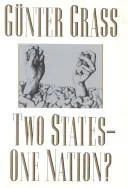
Grass first became active as a writer in 1957, producing short prose, poems, and plays. In 1958, he received the Group 47 sponsorship award for his manuscript The Tin Drum, which was published in 1959 and later adapted into an Oscar-winning film in 1979 directed by Volker Schlöndorff. His subsequent novels Cat and Mouse 1961 and Dog Years 1963 formed the Danzig Trilogy. In 1977, he published The Butt, and in 1999 he was awarded the Nobel Prize in Literature for his life’s work. He was also a political activist, supporting the SPD and opposing German reunification via annexation, as seen in his 1992 novel Prophecies of Doom.

Personal life

Grass married Anna Margareta Schwartz in 1954; they divorced in 1978. In 1979, he married Ute Grunert. He had a daughter, Helene Grass, with architect and painter Veronika Schröter, and another child, Nele, born in 1979, with book editor Ingrid Krüger. His sister is Waltraud Grass. He was a member of the SPD from 1982 to 1993, resigning over asylum law changes. He also founded the Lübeck Literaturtreffen in 2005.

Legacy

Günter Grass is remembered as one of Germany’s most significant post-war writers. His novel The Tin Drum is considered a masterpiece of magical realism and was awarded an Oscar for Best Foreign Language Film in 1980. He was ranked #1 on Cicero magazine’s list of the 500 leading German intellectuals in 2006. He received numerous honors including the Nobel Prize, the Georg Büchner Prize, and honorary doctorates from Harvard and the Free University of Berlin. Despite controversy over his late revelation of Waffen-SS membership, his literary and political influence endures.

Filmography.

FILMS · 14

Browse the complete filmography of Günter Grass — every film, TV show, and documentary credit, ranked by popularity.

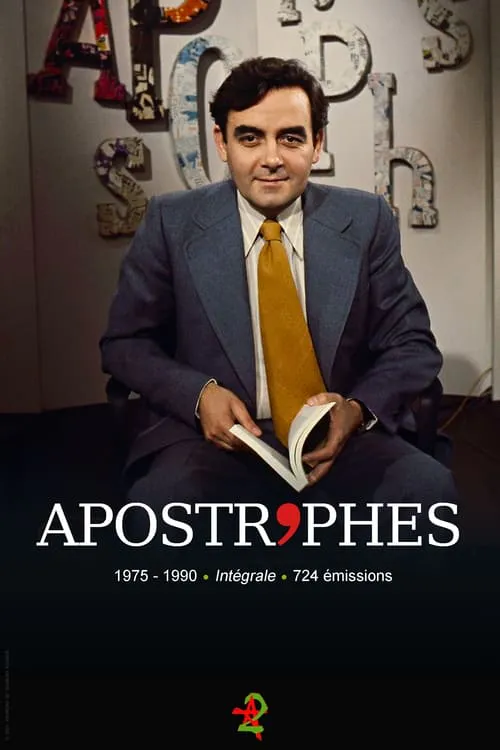
  1. TV Poster for Apostrophes

    Apostrophes

  2. TV Poster for Dispatches

    Dispatches

  3. TV Poster for Terra X History

    Terra X History

  4. TV Poster for Zeugen Des Jahrhunderts

    Zeugen Des Jahrhunderts

  5. TV Poster for NDR Kultur – Das Journal

    NDR Kultur – Das Journal

  6. TV Poster for Zur Person

    Zur Person

  7. Movie Poster for The Machine Gun Dragon

    The Machine Gun Dragon

Awards & honors.

AWARDS · 28

Every award, honor, and recognition received by Günter Grass — Grammys, hall-of-fame inductions, civic honors, lifetime achievements.

  • Nobel Prize in Literature
  • Georg Büchner Prize
  • Hermann Kesten Prize
  • Princess of Asturias Literary Prize
  • Hans Fallada Prize
  • Samuel-Bogumil-Linde prize
  • Fontane-Preis
  • Ernst-Toller-Preis
  • Literature Award of the Bavarian Academy of the Fine Arts
  • Honorary doctor of the Free University of Berlin
  • honorary doctor of Harvard University
  • Honorary doctor of the University of Gdańsk
  • Carl von Ossietzky Medal
  • Thomas Mann Prize
  • honorary doctor of the Adam Mickiewicz University in Poznań
  • honorary doctor of the University of Lübeck
  • honorary citizen of Gdańsk
  • Theodor Heuss Award
  • Fellow of the Royal Society of Literature
  • Pipe Smoker of the Year
  • Hans Christian Andersen Award
  • Grinzane Cavour Prize
  • Medaille für Kunst und Wissenschaft Hamburg
  • Eckart Witzigmann Prize
  • honorary doctorate
  • Fritz Bauer Prize
  • Sonning Prize
  • German Critics' Prize for Literature

Bibliography.

BOOKS · 148

Günter Grass's bibliography — every authored, edited, and co-written book, ranked by edition count.

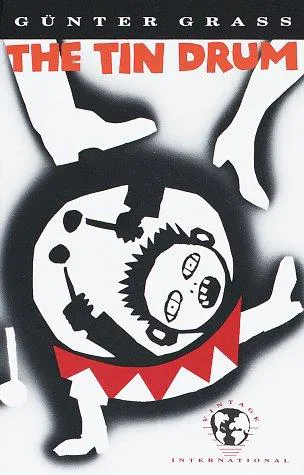
  1. Cover for Die Blechtrommel

    Die Blechtrommel

    by Günter Grass

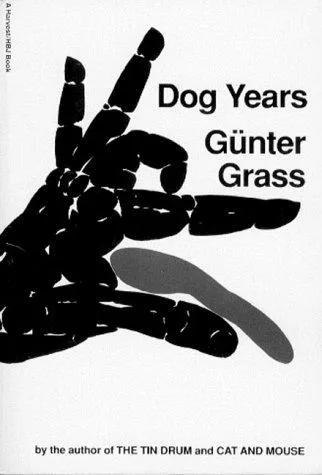
  2. Cover for Hundejahre

    Hundejahre

    by Günter Grass

  3. Cover for ÖRtlich Betäubt

    ÖRtlich Betäubt

    by Günter Grass

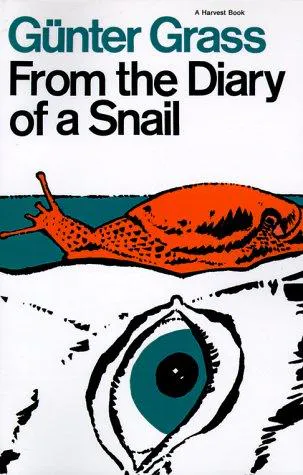
  4. Cover for Aus Dem Tagebuch Einer Schnecke

    Aus Dem Tagebuch Einer Schnecke

    by Günter Grass

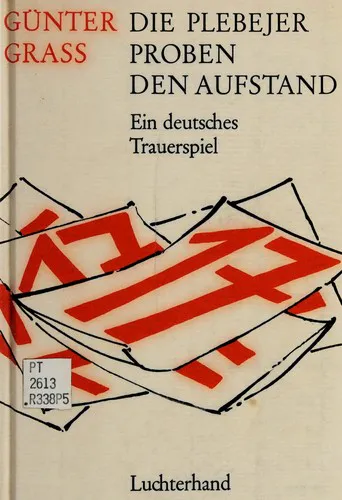
  5. Cover for Die Plebejer Proben Den Aufstand

    Die Plebejer Proben Den Aufstand

    by Günter Grass

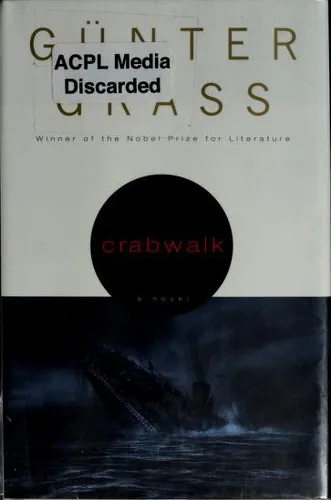
  6. Cover for Im Krebsgang

    Im Krebsgang

    by Günter Grass

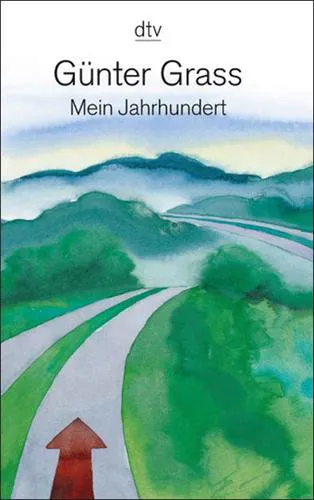
  7. Cover for Mein Jahrhundert

    Mein Jahrhundert

    by Günter Grass

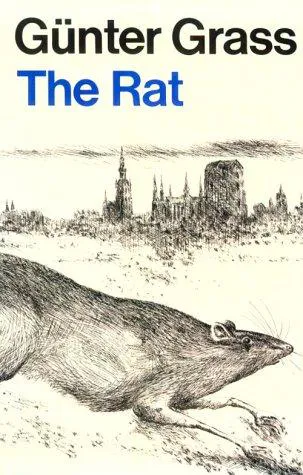
  8. Cover for Rättin

    Rättin

    by Günter Grass

  9. Cover for Unkenrufe

    Unkenrufe

    by Günter Grass

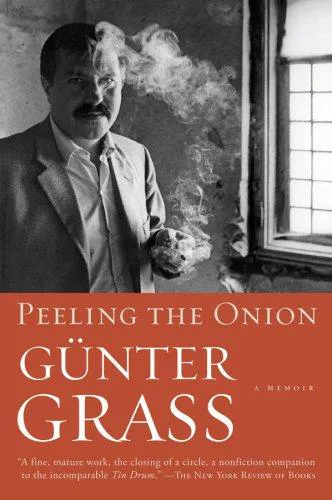
  10. Cover for Peeling the Onion

    Peeling the Onion

    by Günter Grass

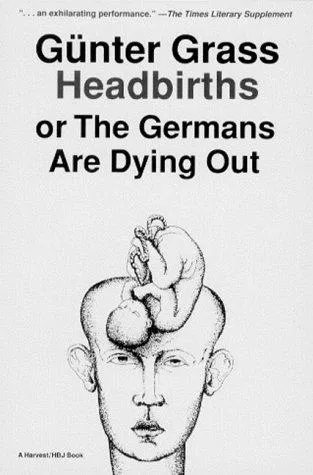
  11. Cover for Kopfgeburten

    Kopfgeburten

    by Günter Grass

  12. Cover for Deutscher Lastenausgleich

    Deutscher Lastenausgleich

    by Günter Grass

  13. Cover for Selected Poems

    Selected Poems

    by Günter Grass

  14. Cover for Prentice Hall Literature - World Masterpieces

    Prentice Hall Literature – World Masterpieces

    by Burton Beers et al.

Did you know?

FACTS · 9

Little-known facts about Günter Grass — origins, oddities, and behind-the-scenes details from a public life.

  1. Grass admitted in an interview with the Frankfurter Allgemeine Zeitung in August 2006 that he was a member of the Waffen-SS near the end of World War II, causing mixed reactions.

  2. Grass was awarded the Nobel Prize for Literature in 1999.

  3. A biography and bibliography of Grass appears in Contemporary Authors, New Revision Series, Vol. 133, pp. 212-228.

  4. He was a strong supporter of the Social Democratic Party of Germany and the peace movement.

  5. In April 2006, Cicero magazine ranked Grass #1 in its list of the 500 leading German intellectuals.

  6. His parents ran a grocery store in Danzig, now Gdansk, Poland.

  7. Grass served as President of the Berlin Academy of Arts from 1983 to 1986.

  8. He was a member of the Official Competition jury at the 41st Venice International Film Festival in 1984.

  9. His daughter with architect and painter Veronika Schröter is actress Helene Grass; he also has a child, Nele born 1979, with book editor Ingrid Krüger.

You wanted to know.

FAQ · 30

Quick answers to the questions readers ask most about Günter Grass.

Audited & updated by

Emma Richardson

Senior Editorial Director & Managing Editor

Emma has 8 years of editorial experience and a very clear idea of what a good biography looks like. At Famousy, she runs the editorial operation and decides what meets the bar and what doesn't. She's the kind of editor who remembers the profiles she pushed back on more clearly than the ones she approved. That's not a complaint. That's exactly why the site reads the way it does.

Report an issue

If something on this page looks off, we genuinely want to know about it. Send us a quick email with the celebrity's name, the detail that seems incorrect, and any sources you're referencing. We review every report and update the page as soon as we can.

Report an issue