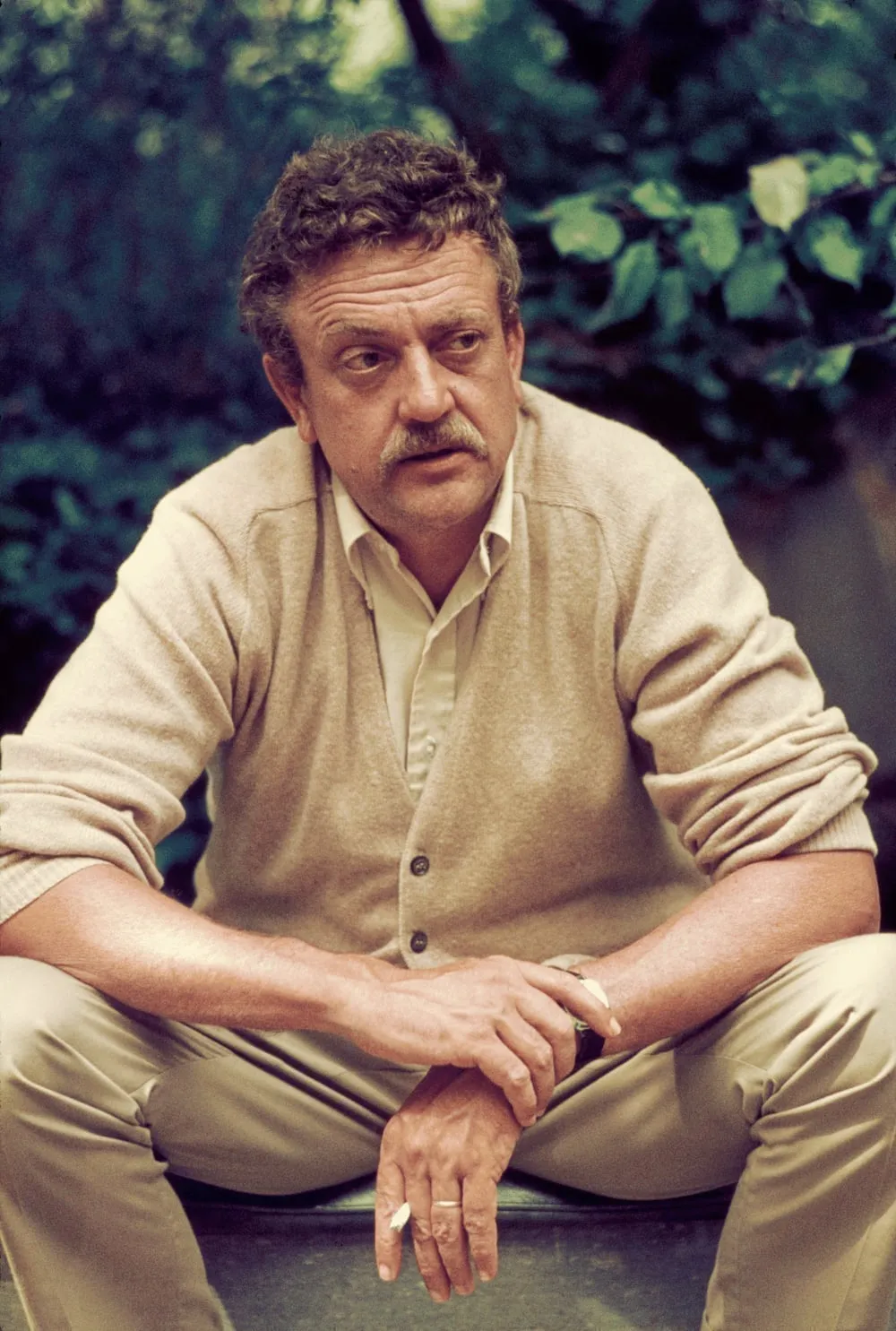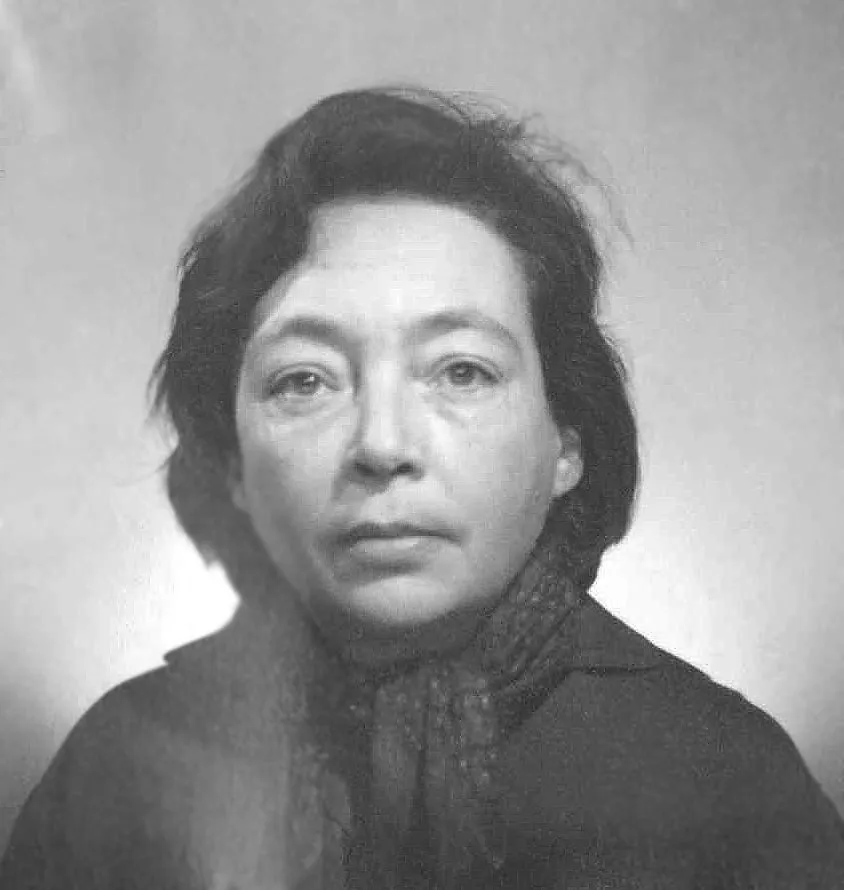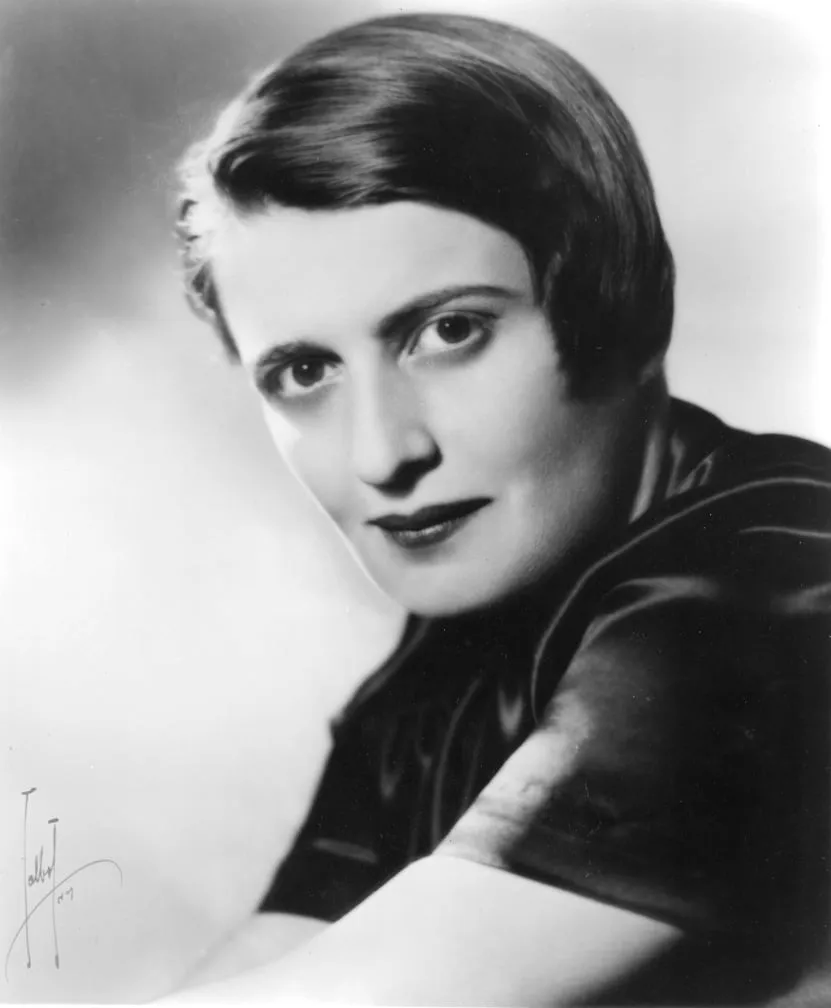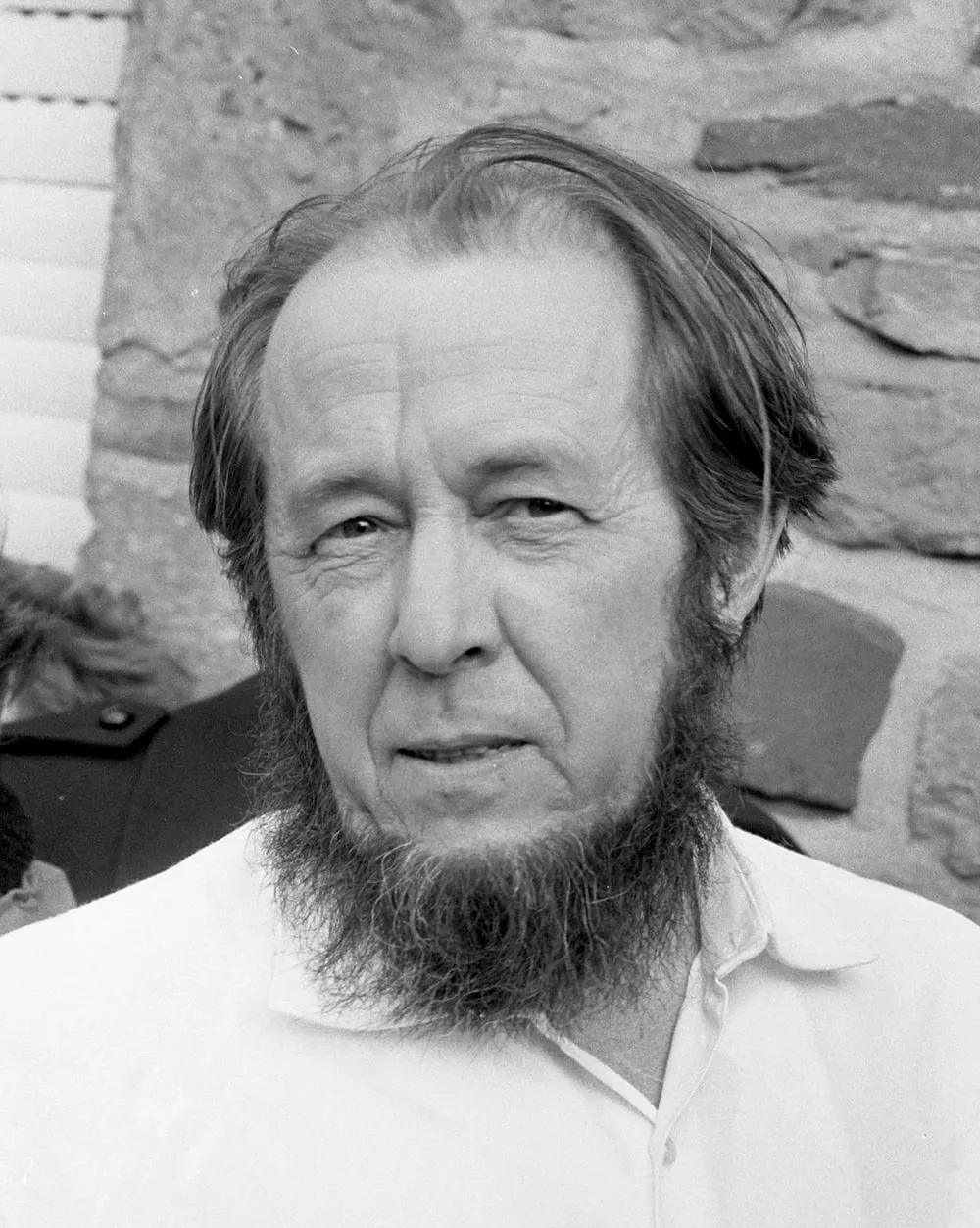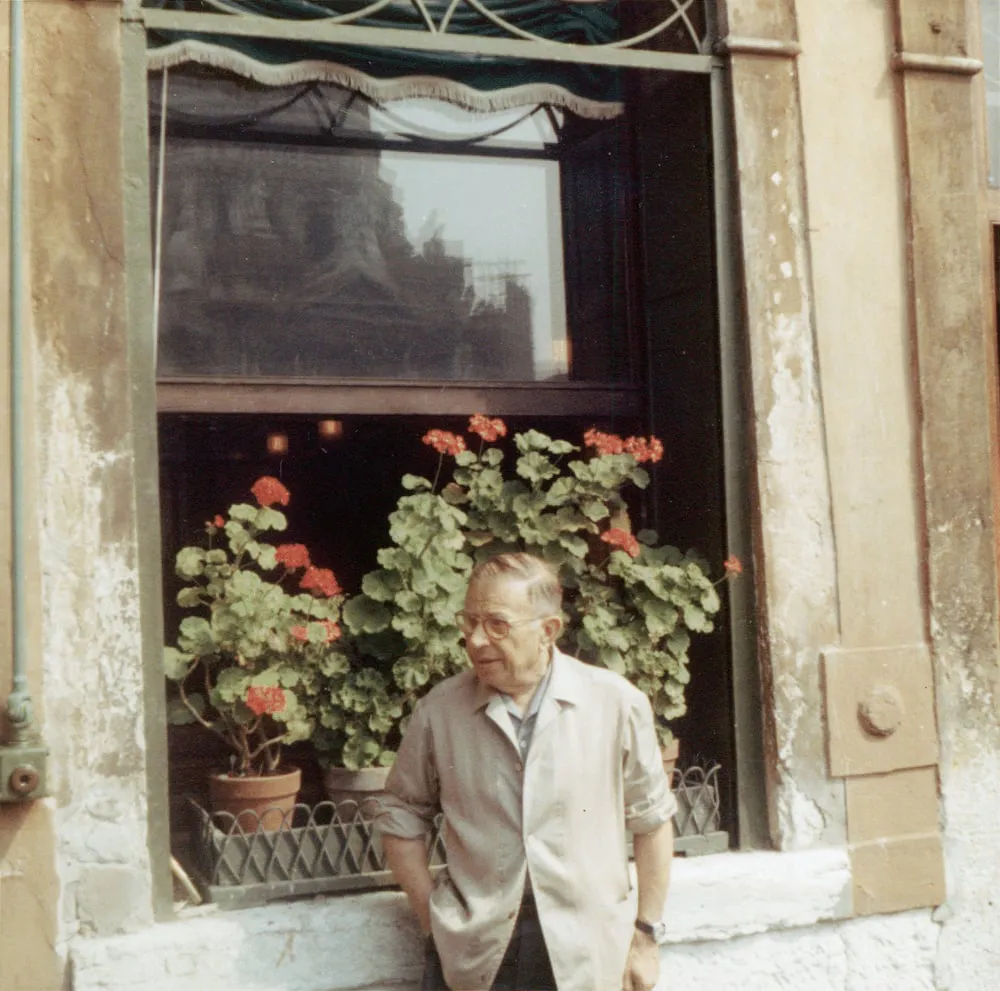
Jean Paul Sartre.

Jean Paul Charles Aymard Sartre

Jean Paul Sartre — Activist
Born Paris, France
Died Paris, France
Citizenship France
Would Be 121 yr If Living

14 min read

Reading time

2,696

Words

Published

23

Film credits

120

Books

5

Awards

TL;DR

Jean Paul Sartre, French existentialist philosopher and writer, was born in Paris on June 21, 1905. He won the Nobel Prize in Literature in 1964 but turned it down. His seminal work ‘Nausea’ 1938 and play ‘No Exit’ 1944 defined existentialism. Sartre died of lung cancer on April 15, 1980, at age 74.

Identity & family.

KIN · 2

Names, aliases, and relatives of Jean Paul Sartre — birth name, kin, and personal ties.

Birth Name Jean Paul Charles Aymard Sartre
Aliases JP.Sartre, J.P. Sartre
Parents
Anne Marie Schweitzer Jean Baptiste Sartre

At a glance.

STATS

Jean Paul Sartre by the numbers — life, work, and family.

74 Years lived
23 Film credits
120 Books
5 Awards

Who was Jean Paul Sartre?

BIOGRAPHY

Jean Paul Sartre — early life, career, personal life, and legacy.

Early life

His father died when Sartre was a year old, and his grandfather Charles Schweitzer raised him in Meudon, introducing him to mathematics and classical literature. Sartre was born in Paris on June 21, 1905, to Jean Baptiste Sartre, a naval officer, and Anne Marie Schweitzer, cousin of Nobel laureate Albert Schweitzer. After his mother remarried in 1917, Sartre suffered under his controlling stepfather, an experience that fueled his lifelong rebellion against authority. He attended Lycee Montaigne, Lycee Henri IV, Lycee Louis-le-Grand, and later the École Normale Supérieure and the University of Paris, where he studied philosophy under the influence of Henri Bergson, William James, Kant, Nietzsche, Husserl, Kierkegaard, Hegel, Marx, and Heidegger.

Career

In 1938, Sartre published Nausea, the canonical existentialist novel that explored the absurdity of existence. During World War II, he was drafted in 1939, captured by the Germans in 1940, and imprisoned until he escaped in March 1941. While a POW, he wrote the play Bariona and began Being and Nothingness, which he completed and published in 1943. His play No Exit premiered in May 1944, famously declaring Hell is other people. In 1945, he co-founded the leftist journal Les Temps Modernes. He wrote Reflections on the Jewish Question after the liberation of Paris, and in 1964 he was awarded the Nobel Prize in Literature, which he refused. Sartre also scripted John Huston’s film Freud: The Secret Passion but withdrew his name.

Personal life

Sartre’s lifelong partner was Simone de Beauvoir, whom he met at the Sorbonne and who turned down his marriage proposal in 1932. They formed an open family that included students like Olga Kozakiewich, Nathalie Sorokine, and Jacques-Laurent Bost, living together in Paris during the Nazi occupation. In 1962, Sartre adopted a Jewish musician, Arlette El Kaim, and later took her to Israel in 1976. He lived modestly with Beauvoir on Rue Bonaparte in Montparnasse. Sartre used psychotropic drugs to break the bones in his head and think more expansively, and he was a heavy drinker, which contributed to his health decline.

Legacy

Sartre’s existentialist philosophy influenced the beatnik generation and beyond. His works, including Nausea and No Exit, remain staples of philosophical literature. He denounced Soviet labor camps in 1950 and supported Algerian independence despite attacks on his home. He presided over the Bertrand Russell International War Crimes Tribunal in 1967. Sartre’s refusal of the Nobel Prize underscored his anti-establishment stance. He died of lung cancer on April 15, 1980, and was buried in the Cimetiere du Montparnasse in Paris, where 50,000 people attended his funeral.

Filmography.

FILMS · 23

The complete filmography of Jean Paul Sartre — every film, TV show, and documentary credit, ranked by popularity.

  1. TV Poster for Les Rendez-vous Du Dimanche

    Les Rendez-vous Du Dimanche

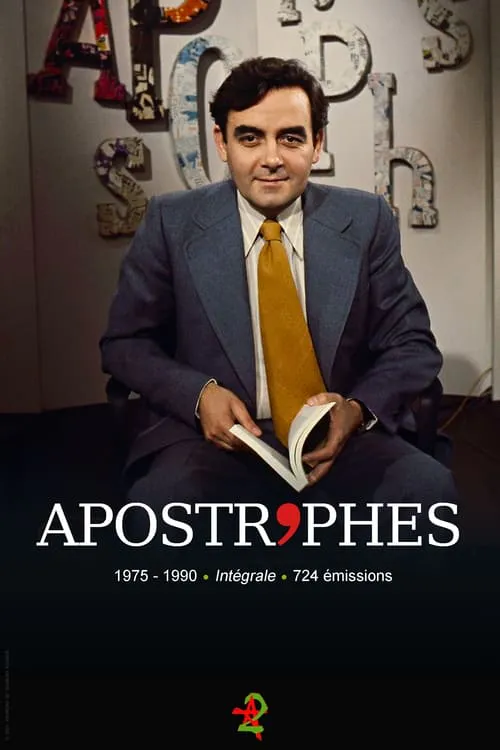
  2. TV Poster for Apostrophes

    Apostrophes

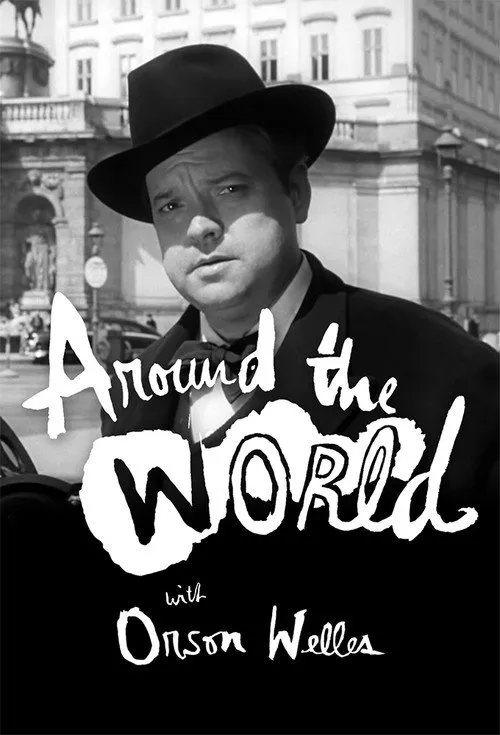
  3. TV Poster for Around the World with Orson Welles

    Around the World with Orson Welles

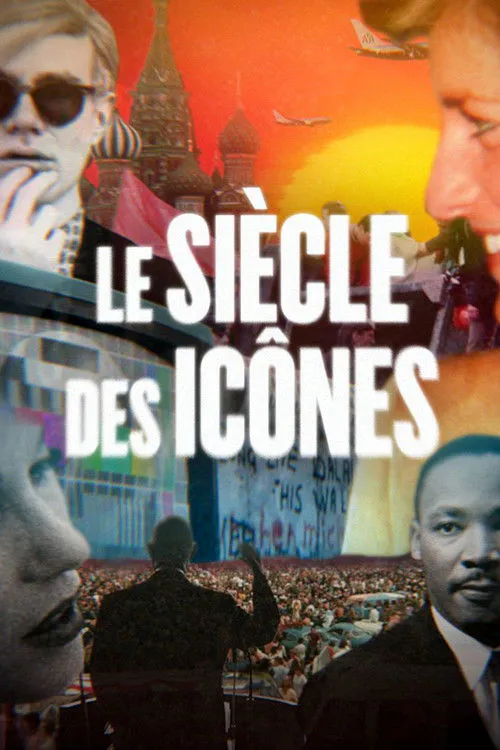
  4. TV Poster for The Century of Icons

    The Century of Icons

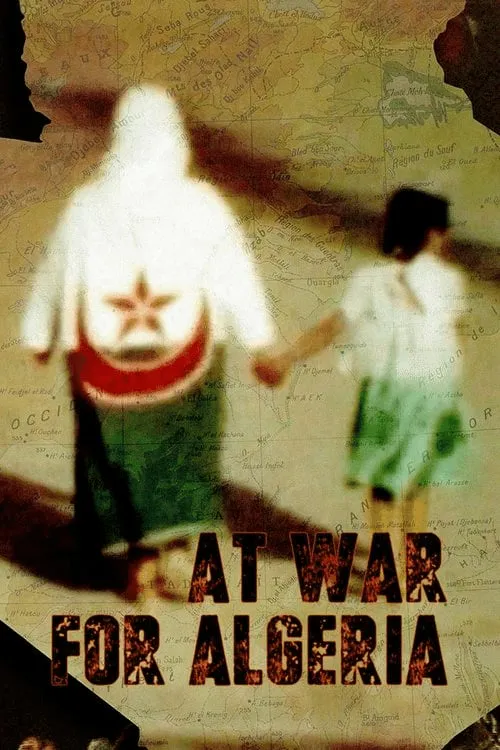
  5. TV Poster for At War for Algeria

    At War for Algeria

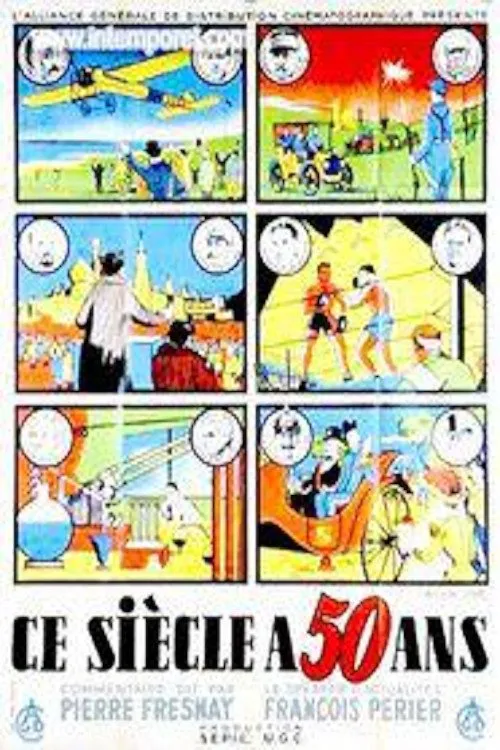
  6. Movie Poster for The Century Is Fifty

    The Century Is Fifty

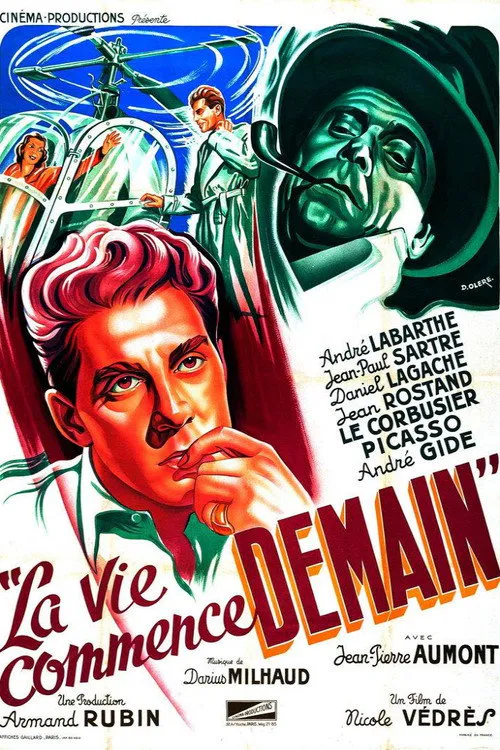
  7. Movie Poster for Life Begins Tomorrow

    Life Begins Tomorrow

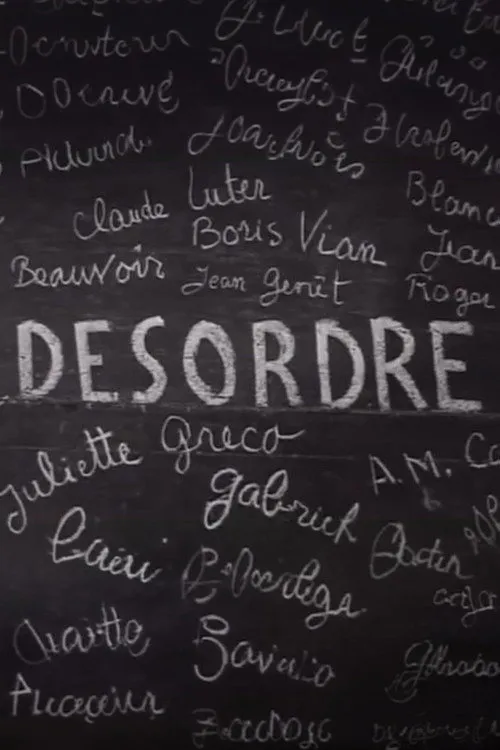
  8. Movie Poster for Disorder

    Disorder

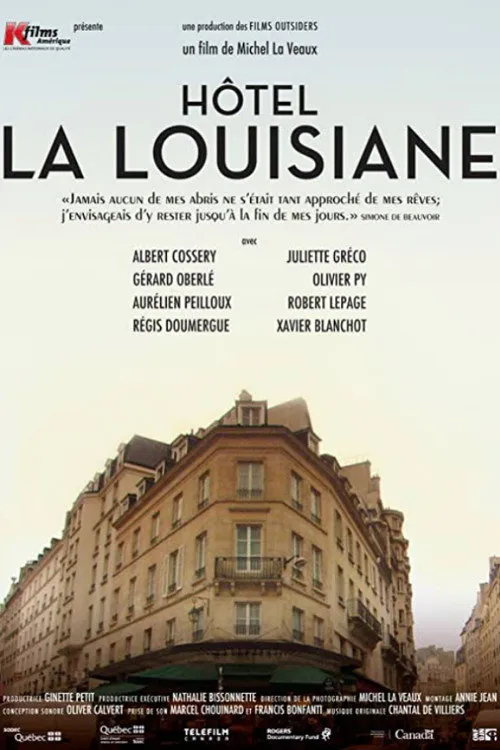
  9. Movie Poster for Hôtel La Louisiane

    Hôtel La Louisiane

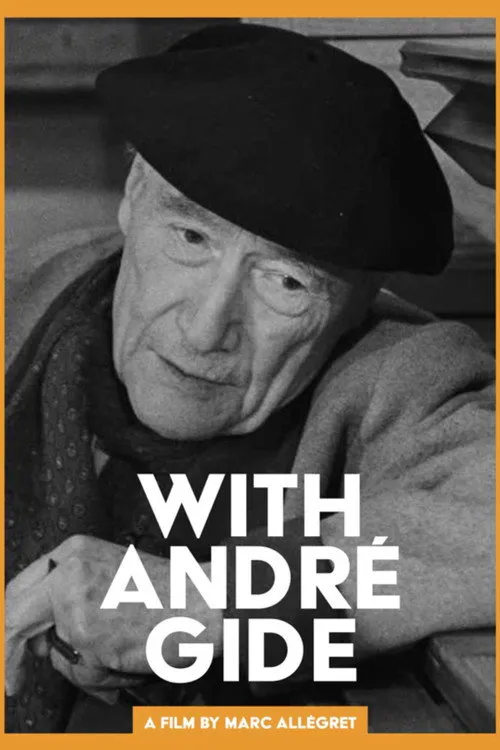
  10. Movie Poster for With André Gide

    With André Gide

  11. Movie Poster for The Padilla Affair

    The Padilla Affair

  12. Movie Poster for Oscar Niemeyer: Life Is a Breath of Air

    Oscar Niemeyer: Life Is a Breath of Air

  13. Movie Poster for Ernesto Che Guevara - Uomo, Compagno, Amico

    Ernesto Che Guevara – Uomo, Compagno, Amico

  14. Movie Poster for Mario Y Los Perros

    Mario Y Los Perros

Showing 14 of 23 View all 23 films

Awards & honors.

AWARDS · 5

Every award, honor, and recognition received by Jean Paul Sartre — Grammys, hall-of-fame inductions, civic honors, lifetime achievements.

  • Nobel Prize in Literature
  • Eugène Dabit populist novel award
  • Fellow of the American Academy of Arts and Sciences
  • Grand Prize for the Best Novels of the Half-Century
  • Toynbee Prize

Bibliography.

BOOKS · 120

Jean Paul Sartre's bibliography — every authored, edited, and co-written book, ranked by edition count.

  1. Cover for Les Mains Sales

    Les Mains Sales

    by Jean-Paul Sartre

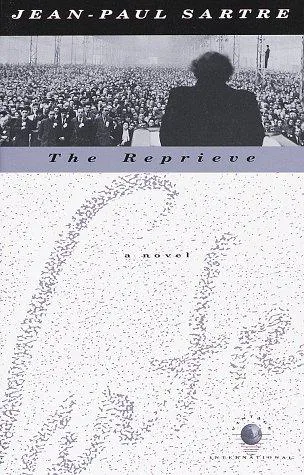
  2. Cover for Sursis

    Sursis

    by Jean-Paul Sartre

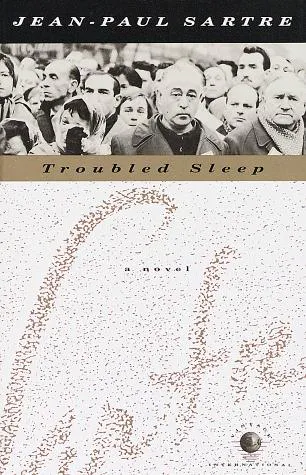
  3. Cover for Iron in the Soul

    Iron in the Soul

    by Jean-Paul Sartre et al.

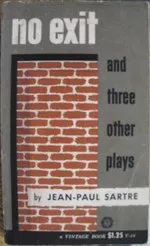
  4. Cover for No Exit (and Three Other Plays)

    No Exit (and Three Other Plays)

    by Jean-Paul Sartre

  5. Cover for Le Mur

    Le Mur

    by Jean-Paul Sartre

  6. Cover for Words

    Words

    by Jean-Paul Sartre

  7. Cover for Nekrassov: a Farce in Eight Scenes

    Nekrassov: a Farce in Eight Scenes

    by Jean-Paul Sartre

  8. Cover for Qu'est-ce Que La Littérature?

    Qu'est-ce Que La Littérature?

    by Jean-Paul Sartre

  9. Cover for Critique De La Raison Dialectique

    Critique De La Raison Dialectique

    by Jean-Paul Sartre

  10. Cover for Séquestrés D'Altona

    Séquestrés D'Altona

    by Jean-Paul Sartre et al.

  11. Cover for Search for a Method

    Search for a Method

    by Jean-Paul Sartre

  12. Cover for Essays in Aesthetics

    Essays in Aesthetics

    by Jean-Paul Sartre

  13. Cover for Saint Genet

    Saint Genet

    by Jean-Paul Sartre

  14. Cover for Réflexions Sur La Question Juive

    Réflexions Sur La Question Juive

    by Jean-Paul Sartre

Showing 14 of 120 View all 120 books

Notable quotes.

QUOTES · 27

A wall of memorable lines from Jean Paul Sartre — lyrics, interviews, and off-the-cuff remarks captured over a lifetime.

Did you know?

FACTS · 10

Little-known facts about Jean Paul Sartre — origins, oddities, and behind-the-scenes details from a public life.

  1. In 2018, his play Nekrassov was presented for the first time in Greece at the Apo Michanis Theatro in Athens, in a critically praised production by THEAMA, an inclusive theatre company composed of disabled and non-disabled actors. The production was directed by Vassilis Oikonomou and included SDH surtitles, Greek Sign Language interpretation, and audio description. The process was depicted in the documentary film project Enas allos… Sartre 2018.

  2. In 1993, French author Bianca Lamblin wrote Mémoires d’une jeune fille dérangée English title: A Disgraceful Affair, detailing her sexual exploitation by Sartre and Beauvoir. She claimed that Beauvoir seduced her as a student and then passed her on to Sartre. The book was a response to the posthumous 1990 publication of Sartre’s Lettres au Castor, in which she was referred to by the pseudonym Louise Védrine.
  3. Awarded the Nobel Prize for Literature in 1964 but turned it down.

  4. Portrayed by Fred Wellisch in the 2000 stage production of John Susman’s three-hander Nelson & Simone at Chicago’s Live Bait Theatre, alongside Gary Houston as Nelson Algren and Rebecca Covey as Simone de Beauvoir.

  5. Attended the Cours Hattemer, a private school in Paris.

  6. John Huston got Sartre to script his film Freud: The Secret Passion, but it was too long and Sartre withdrew his name from the film’s credits. Nevertheless, many key elements from Sartre’s script survive in the finished film.

  7. His mother raised him with help from her father Charles Schweitzer, a teacher of German who taught Sartre mathematics and introduced him to classical literature at a very early age.

  8. Longtime lover of Simone de Beauvoir.

  9. Founded the newspaper Libération with Serge July in 1973.

  10. References to Sartre appear in the Hollywood Mouth trilogy of films directed by Jordan Mohr, who has played Simone de Beauvoir five times.

You wanted to know.

FAQ · 37

Quick answers to the questions readers ask most about Jean Paul Sartre.

Audited & updated by

Emma Richardson

Senior Editorial Director & Managing Editor

Emma has 8 years of editorial experience and a very clear idea of what a good biography looks like. At Famousy, she runs the editorial operation and decides what meets the bar and what doesn't. She's the kind of editor who remembers the profiles she pushed back on more clearly than the ones she approved. That's not a complaint. That's exactly why the site reads the way it does.

Report an issue

If something on this page looks off, we genuinely want to know about it. Send us a quick email with the celebrity's name, the detail that seems incorrect, and any sources you're referencing. We review every report and update the page as soon as we can.

Report an issue