-
01
He admired African-Americans and spoke out in favor of fairer treatment for them during segregation in the US. He paid off the $4000 mortgage on the house of his African-American cook. He once ordered from his premises a man who used the N-word within earshot of his staff.
-
02
He feared slipping back into poverty. To prevent this, he set up dozens of bank accounts across the country under various aliases. Most of the money went unclaimed.
-
03
He could juggle or balance anything he could lift or carry. He unnerved his mother-in-law by keeping a lit cigar, candle, or beer bottle balanced on his head at meals.
-
04
Despite claiming to dislike children, the comedian left a small fortune of his estate to an orphanage.
-
05
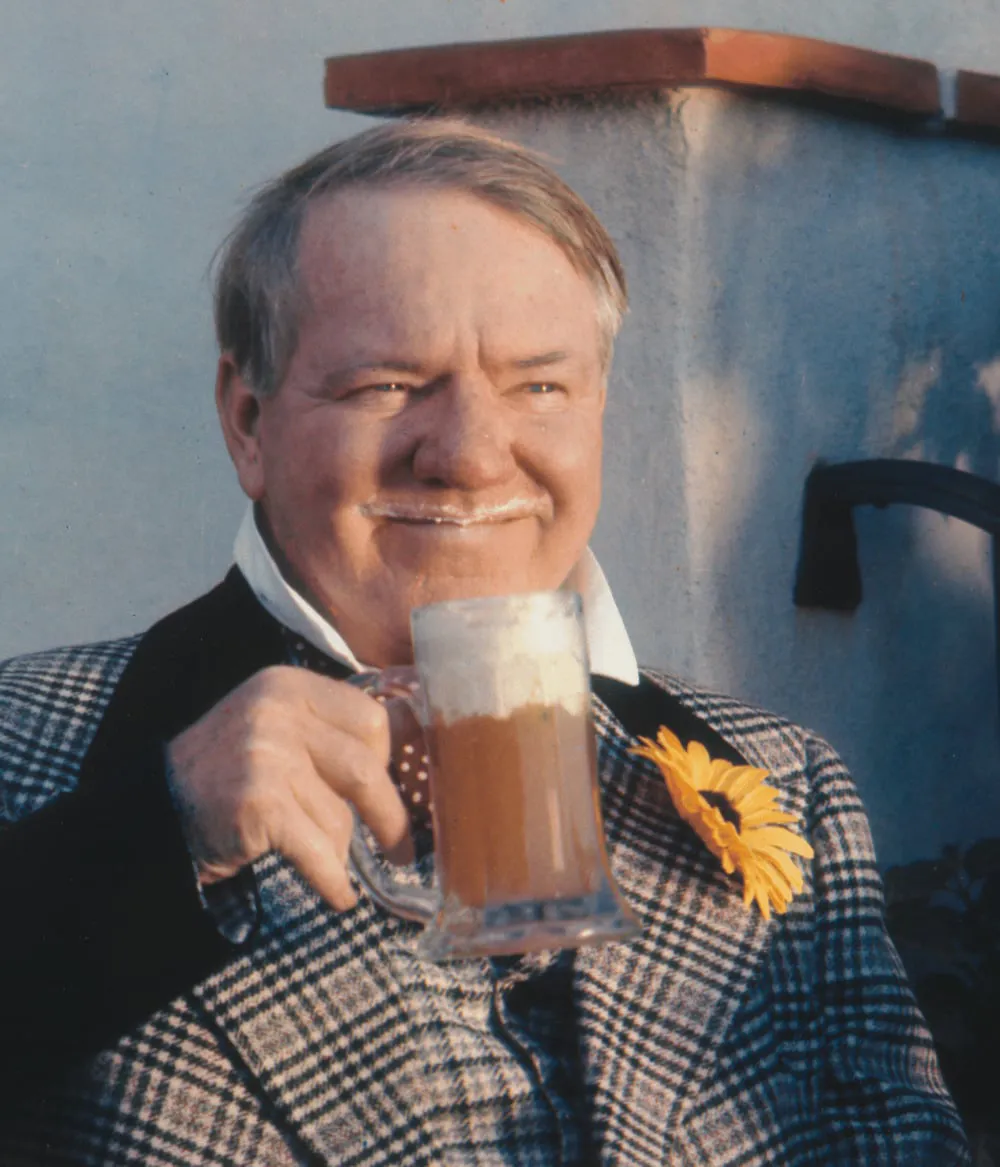
Stories of his alcohol consumption were a regular part of his act, and he was rarely seen without a drink, but no one recalled ever seeing him drunk or out of control.
-
06
According to friends, his biggest laugh on stage came when a monologue he was giving was interrupted by a loud crash backstage. After the crashing stopped and the audience was silent, Fields whispered: Mice!
-
07
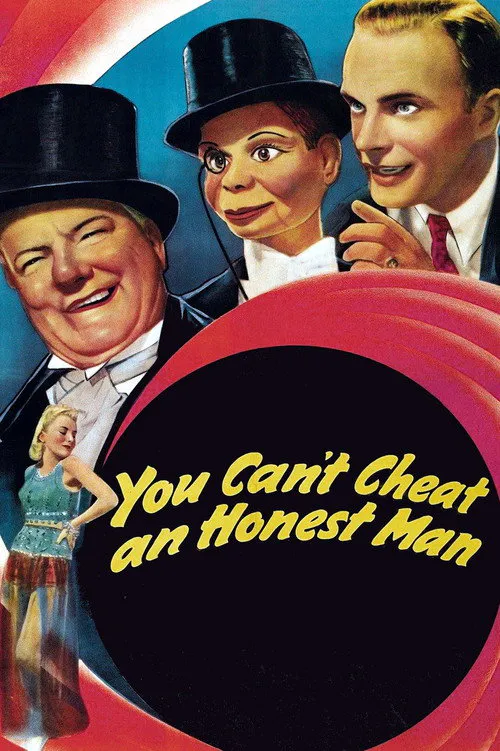
He reportedly had hidden microphones installed along his front walk; he would listen to guests after they left and later allude to what they said.
-
08
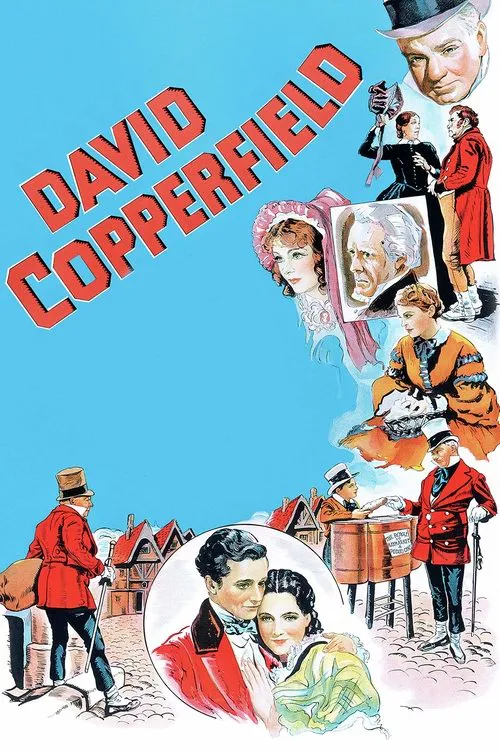
He said The Marx Brothers were the only act he could not follow on stage. He appeared on the same bill with them once, at Keith’s Orpheum Theatre in Columbus, Ohio, in January 1915. He realized his quiet comedy could not compete with their anarchy and later wrote that he told the manager he broke his wrist and quit.
-
09
His wife Hattie became his juggling partner after marriage; he sent her home to his parents when she became pregnant. After returning from the road, they grew apart. Hattie refused a divorce and bad-mouthed him to their son. Fields predicted the boy would see the truth, and eventually father and son reconciled before Fields death.
-
10
He slipped a dose of gin into Baby LeRoy’s milk bottle during a movie shoot; production stopped for a day until the child sobered up. Fields later sent money to LeRoy’s family when they faced financial trouble.
-
11
Despite his quote Never work with animals or children, he secretly admired children.
-
12
At the time of his death, he was rumored to be working on a screenplay titled Grand Motel, a parody of MGM’s Grand Hotel.
-
13
He was the grandfather of Ronald J. Fields, who edited a biography titled W.C. Fields by Himself. The book dispelled stories of Fields living on the street; young Fields ran away to his grandmother’s and returned home the next day.
-
14
Although his marriage to Harriet Hughes lasted until his death in 1946, they separated as early as 1904.
-
15
Fields is often associated with alcohol addiction, but he rarely drank until his mid-30s. His juggling act demanded precision, so he avoided heavy drinking.
-
16
In his youth, he was a tennis hustler. Using his hand-eye coordination, he sliced the ball so it bounced back before his opponent could reach it.
-
17
He has a medical syndrome named after him: W.C. Fields syndrome, characterized by rhinophyma, a rosacea of the nose associated with alcoholism.
-
18
Many assumed his prominent nose came from drinking, an idea he fueled in his comedy. But it was actually inherited from his mother’s family.
-
19
He always regretted not having more formal education. He traveled with a trunk of books and thought about hiring a tutor. He praised Readers Digest magazine.
-
20
Legend has it that on the set of You Can’t Cheat an Honest Man, a stagehand bumped into a table with a whiskey bottle. He caught it but lost the cork. Fields later returned and roared: Who took the cork out of my lunch?
-
21
He was inducted into the Juggling Hall of Fame.
-
22
According to his mistress Carlotta Monti in her biography W.C. Fields and Me, his four rules of comedy were: 1. Never break anything. 2. A henpecked husband gets laughs. 3. Clothes are important for humor. 4. Everyone has a percentage of sadist in him.
-
23
According to film historians, he performed only one film exactly as scripted and directed: MGM’s David Copperfield 1935. He co-starred with Freddie Bartholomew, who was ten. Fields admired the book and wanted to play Mr. Micawber, so he agreed to forego ad-libs and work with a child actor.
-
24
Because of his worsening alcohol addiction, he only made guest appearances in his last films. No studio would cast him in a lead.
-
25
His aversion to children is thought to have been mostly an act. Co-stars recalled him as warm. In 1941, Anthony Quinn’s son wandered onto Fields’ property and drowned in his fish pond. Fields was disturbed and moved away.
-
26
He usually wrote or co-wrote his screenplays. The aliases he used, such as Mahatma Kane Jeeves and Otis Criblecoblis, came from names he encountered on the road.
-
27
He received two stars on the Hollywood Walk of Fame: for motion pictures at 7004 Hollywood Boulevard and for radio at 6316 Hollywood Boulevard.
-
28
His last starring film, Never Give a Sucker an Even Break 1941, included a character he wanted in his movies: a young woman, his niece played by Gloria Jean, who loved him unconditionally.
-
29
He was an accomplished amateur cartoonist. He provided illustrations for his publicity material and sent sketches to friends.
-
30
He had a lifetime disdain for music, which he attributed to hearing his father sing loudly when drunk. He often made a farce of singing in roles.
-
31
He said he was the best ballet dancer in the world, but he was jealous of Charlie Chaplin for achieving worldwide fame.
-
32
After his father hit him on the head with a shovel, Fields got revenge by dropping a wooden box on his father’s head from the rafters. He then ran away.
-
33
He stopped drinking for over a year after a friend died of alcohol-related causes, but eventually resumed.
-
34
He appears on the sleeve of The Beatles album Sgt. Pepper’s Lonely Hearts Club Band.
-
35
After nearly dying from alcoholism, he went on the wagon for almost a year.
-
36
Through much of his early career, he was a silent juggler. He started adding verbal comedy in his mid-30s.
-
37
He was the second choice to play the title role in The Wizard of Oz 1939. Some sources say he refused because of salary; others say he was busy with You Can’t Cheat an Honest Man.
-
38
His father was a US Civil War veteran. The book W.C. Fields by Himself includes a photograph of his father in uniform.
-
39
He made several popular short films before focusing on features.
-
40
He is interred at Forest Lawn, Glendale, California, in the Great Mausoleum, Holly Terrace entrance, Hall of Inspiration.
-
41
He is pictured on a 15-cent US commemorative postage stamp in the Performing Arts and Artists series, issued on January 29, 1980, the centennial of his birth.
-
42
Fields used character names such as T. Frothingill Bellows, Ambrose Wolfinger, Larson E. Whipsnade, Cuthbert J. Twillie, J. Effingham Bellweather, Professor Eustace McGargle, Elmer Prettywillie, Egbert Sousé, Rollo La Rue, Mahatma Kane Jeeves, Otis Criblecoblis, and Ouliotta Delight Hemoglobin.
-
43
The lawyer Larsen E. Pettifogger in the comic strip Wizard of Id is drawn to look like him.
-
44
He lived with Carlotta Monti for 14 years.
-
45
When Louise Brooks was with the Ziegfeld Follies, she often drank with Fields after shows.
-
46
Painter John Decker painted Fields as Queen Victoria of England.
-
47
He is portrayed by Chuck McCann in Mae West 1982 and by Rod Steiger in W.C. Fields and Me 1976.
-
48
He reputedly made a ten-minute short called Hurry, Hurry, but no copy is known to exist.
-
49
His son with wife Hattie, William C. Claude Dukenfield, was born on July 28, 1904. He had another son, William Rexford Fields Morris, born on August 15, 1917, with girlfriend Bessie Chatterton Poole.
-
50
When working at Paramount Studios in Astoria, Queens, NY, he resided at 35-25 223rd Street in Bayside, Queens.