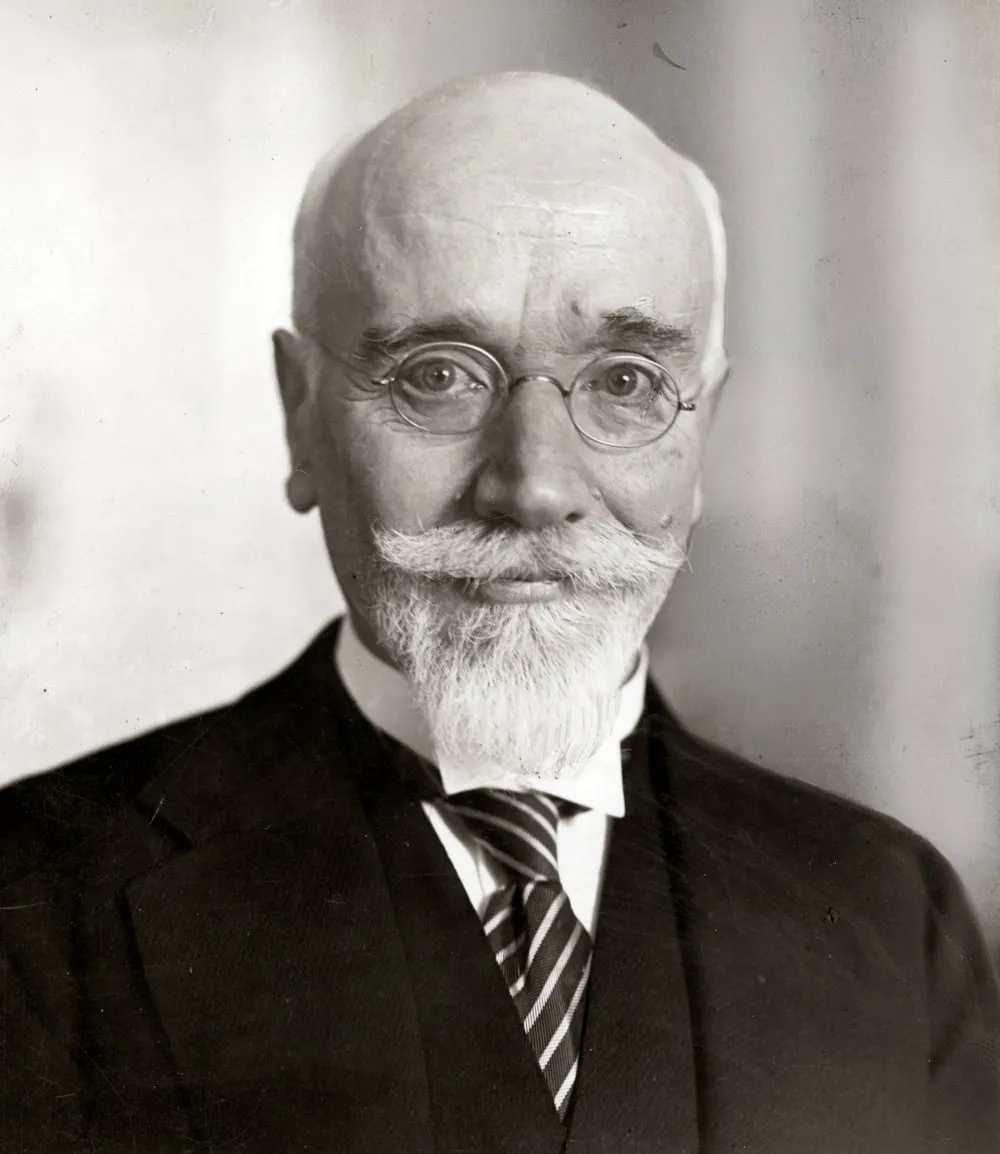
Greece Who is Eleftherios Venizelos?
Eleftherios Kyriakou Venizelos (August 23, 1864 – March 18, 1936) was a towering figure in Greek politics who shaped his country’s destiny for over two decades. Rising from humble beginnings to become one of Greece’s most influential statesmen, Venizelos left an indelible mark on the nation through his political acumen and diplomatic skill.
He was born into a middle-class family in Crete, where his father Kyriakos worked as a customs official. His mother Stiliani Ploumidaki instilled in him a love for learning that would define much of his life. Venizelos studied law at the National and Kapodistrian University of Athens before returning to Crete.
Upon graduation, he quickly became involved in politics, advocating for Cretan autonomy from Ottoman rule. His dedication to Greek independence led him into a legal career where he represented many Greeks facing trial under Turkish jurisdiction. Venizelos’s success as an advocate earned him respect and recognition across Greece.
In 1906, Venizelos entered the national political arena after Crete joined the Kingdom of Greece following the Greco-Turkish War (1897). He soon became a prominent member of the Liberal Party. By 1910, he had become Prime Minister for the first time, initiating reforms that modernized Greek society and government.
Venizelos’s tenure as Prime Minister was marked by several pivotal moments in Greek history. During World War I, he advocated for Greece’s entry on the side of the Allies, a stance that brought him into conflict with King Constantine I who favored neutrality. This disagreement led to his temporary ousting from power.
However, Venizelos returned and won the 1920 elections, leading Greece back into war against Turkey. Despite initial successes, this period ended in the disastrous Greco-Turkish War of 1919–1922, which resulted in significant territorial losses for Greece.
Throughout his career, Venizelos married twice: first to Maria Venizelou and later to Helena Schilizzi. He had several children, including Sofoklis and Kyriakos. His personal life was often overshadowed by his public duties but provided him with the support he needed during turbulent times.
Eleftherios Venizelos’s legacy is one of a visionary leader who steered Greece through some of its most challenging periods. Despite conflicts within his own party and with monarchists, his policies laid the groundwork for modern Greek democracy and foreign policy independence. He died on March 18, 1936, in Paris, France, after suffering an intracranial hemorrhage.