-
01
In a 1973 interview, François Truffaut declared Rohmer the best French director of the time, noting that Rohmer had been influencing the group from behind for 15 years.
-
02
True Heart Susie 1919 was among Rohmer’s ten favorite films, alongside The General 1926, Sunrise 1927, La Règle du jeu 1939, Ivan the Terrible 1944, Journey to Italy 1954, Red River 1948, Vertigo 1958, Pickpocket 1959, and La Pyramide humaine 1961.
-
03
Before becoming a director, he worked as a professor of literature.
-
04
His stage name was created by combining the names of actor-director Erich von Stroheim and novelist Sax Rohmer.
-
05
He regarded film as the last refuge of poetry and the only contemporary art form from which metaphor can still spring naturally.
-
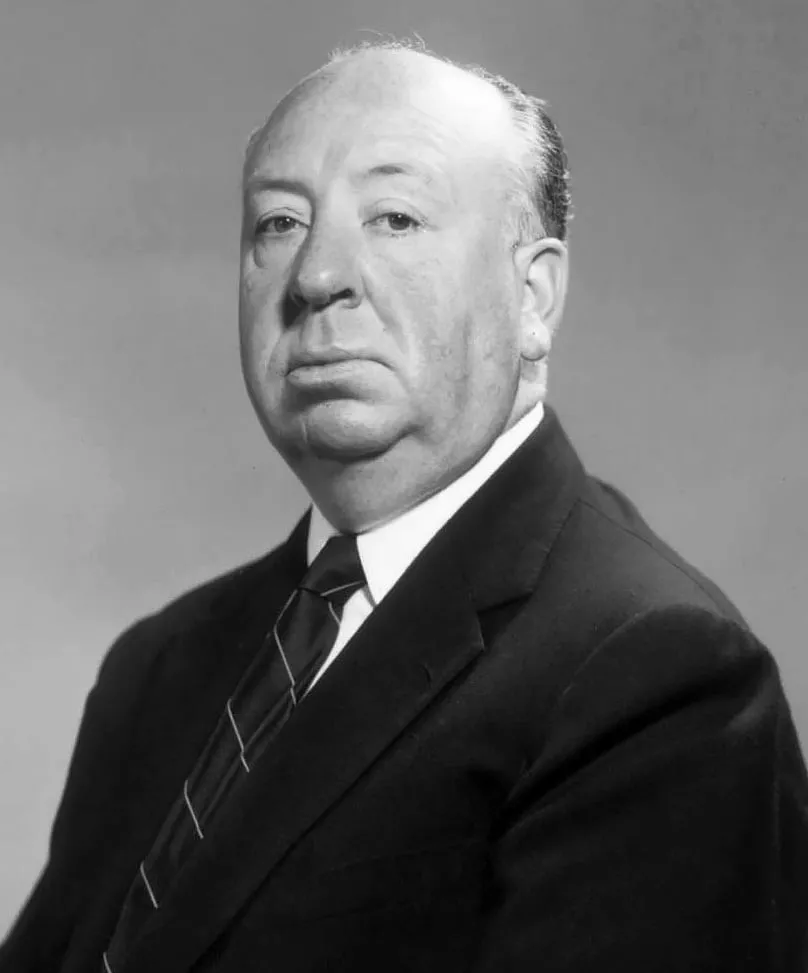
06
Beginning in the late 1970s during the production of Perceval le Gallois 1978, Rohmer reduced his crew to just a camera operator and a sound engineer by the time he shot The Green Ray 1986.
-
07
His brother was philosopher and actor René Schérer.
-
08
As a critic for Cahiers du Cinéma, Rohmer favored a rhetorical style with extensive use of questions and rarely used the first person singular, unlike his younger colleagues.
-
09
For many years he was known to jog two miles to his office every morning.
-
10
He first published articles under his real name but began using Éric Rohmer in 1955 so that his family would not discover his involvement in film.
-
11
For years he had no telephone and refused to ride in cars, which he called immoral polluters.
-
12
His mother died without ever knowing that her son Maurice was the film director Éric Rohmer.
-
13
He saw extradiegetic music as a violation of the fourth wall.
-
14
He was secretive about his private life and often gave different dates of birth to reporters.
-
15
His favorite film director was Jean Renoir.
-
16
He championed directors Nicholas Ray, Alfred Hitchcock, and Howard Hawks.
-
17
His best-known article was Le Celluloid et le marbre Celluloid and Marble, 1955, which examines the relationship between film and other arts.
-
18
His obituary in The Daily Telegraph described him as the most durable film-maker of the French New Wave.
-
19
He received an advanced degree in history and also studied literature, philosophy, and theology as a student.
-
20
He considered filmmaking to be closer to the novel – to a certain classical style of novel which the cinema is now taking over – than the other forms of entertainment, like the theater.
-
21
His funeral took place in the church of Saint-Étienne-du-Mont in Paris and he is buried in district 13 of Montparnasse Cemetery.
-
22
He was well known for his need for personal privacy and sometimes wore disguises, such as wearing a false mustache at the New York premiere of one of his films.
-
23
He was interviewed in World Directors in Dialogue by Bert Cardullo Scarecrow Press, 2011.
-
24
He wrote film reviews for publications including Révue du Cinéma, Arts, Temps Modernes, and La Parisienne.
-
25
He wrote the earliest book-length study of Alfred Hitchcock, with Claude Chabrol.
-
26
Rohmer and his films are the subject of Clio’s song Éric Rohmer est Mort.