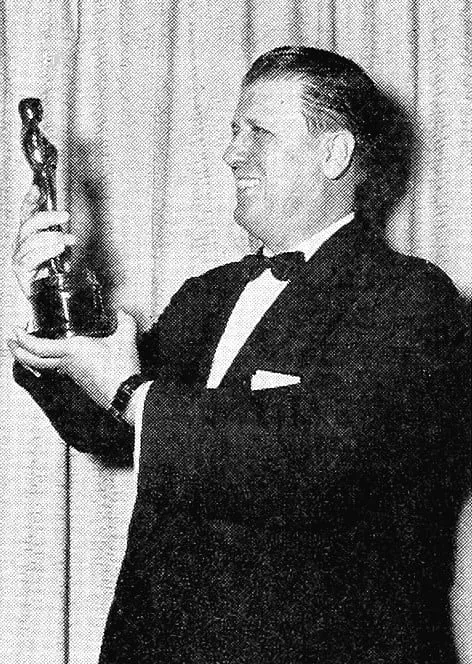
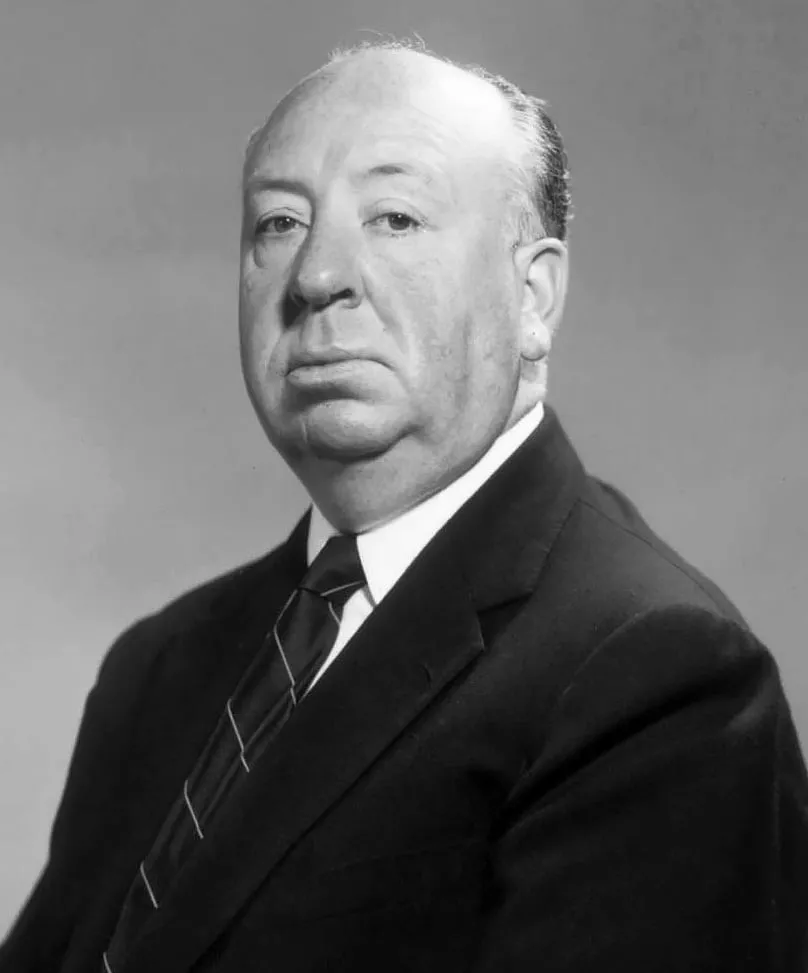
George Stevens.

George Cooper Stevens

George Stevens — Activist
Born Oakland, United States
Died Lancaster, United States
Citizenship United States
Would Be 121 yr If Living

11 min read

Reading time

2,163

Words

Published

8

Film credits

7

Awards

TL;DR

George Stevens directed five indisputable classics including Swing Time 1936, Gunga Din 1939, and Shane 1953. He won the Academy Award for Best Director twice, for A Place in the Sun 1951 and Giant 1956. A meticulous craftsman and former cinematographer, Stevens also led a combat film unit in World War II, filming the liberation of Dachau.

Identity & family.

KIN · 5

Names, aliases, and relatives of George Stevens — birth name, kin, and personal ties.

Birth Name George Cooper Stevens
Nicknames The Indian, The Super Chief
Aliases George Stephens, Col. George C. Stevens
Parents
Georgie Cooper Landers Stevens
Spouses
Joan Pauline O'Brien McTavish Yvonne Howell
Siblings
Jack Stevens

At a glance.

STATS

George Stevens by the numbers — life, work, and family.

70 Years lived
8 Film credits
7 Awards
2 Marriages

Who was George Stevens?

BIOGRAPHY

George Stevens — early life, career, personal life, and legacy.

Early life

George Cooper Stevens was born on December 18, 1904, in Oakland, California, to actors Landers Stevens and Georgie Cooper, who ran their own theatrical company, Ye Liberty Playhouse. Growing up in a performing family, Stevens dropped out of high school to drive his father to auditions, developing a keen understanding of drama and audience from his parents’ repertoire of classics.

In 1922, the family moved to Glendale, California, where both parents found steady work in movies. Stevens’ older brother Jack became a cameraman, and young George soon followed, landing a job as an assistant cameraman at Hal Roach Studios at age 17. There he learned visual storytelling while shooting low-budget westerns and Laurel and Hardy comedies.

Career

Stevens began his career as a cinematographer at Hal Roach Studios, shooting Laurel and Hardy comedies. His break came in 1935 when Katharine Hepburn chose him to direct Alice Adams 1935. He created his first classic with Swing Time 1936, an Astaire-Rogers musical that showcased his visual innovation.

After directing the adventure yarn Gunga Din 1939 and the comedies Woman of the Year 1942 and The More the Merrier 1943, Stevens served in World War II as head of a combat motion picture unit. He filmed the Normandy landings, the liberation of Paris, and the liberation of Dachau, footage later used as evidence at the Nuremberg trials.

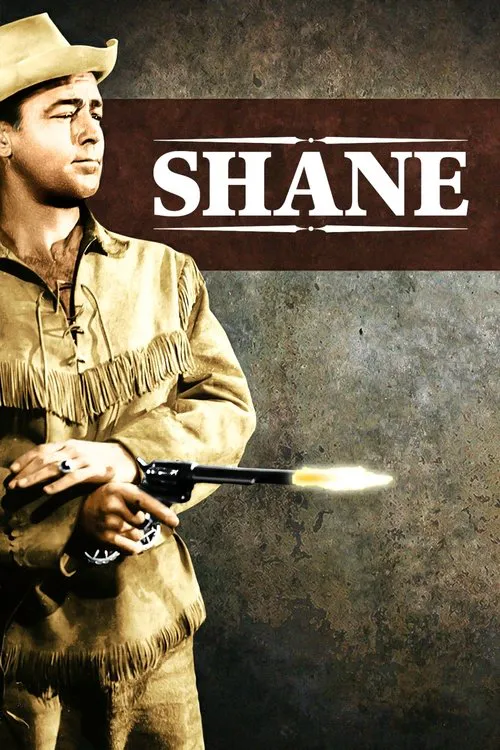
His postwar masterpiece A Place in the Sun 1951 revolutionized the use of close-ups and slow dissolves, winning him his first Best Director Oscar. He followed with Shane 1953, a distillation of the Western genre, and Giant 1956, an epic about Texas that tackled racism. Both films earned critical acclaim and box-office success. His reputation as a director combining humanism with meticulous craft was confirmed by these works.

Personal life

Stevens married actress Yvonne Howell on January 1, 1930; they divorced in 1947. He later married Joan Pauline O’Brien McTavish on May 17, 1968, and they remained married until his death. He had one son, George Stevens Jr., who became a film producer and founding director of the American Film Institute.

Stevens demanded perfection on set, often shooting many takes to capture the perfect performance. His wartime experiences haunted him, and he became convinced that cinema must be socially meaningful. He served as president of the Screen Directors Guild 1941-1943 and 1946-1948 and of the Academy of Motion Picture Arts and Sciences 1958-1959.

Legacy

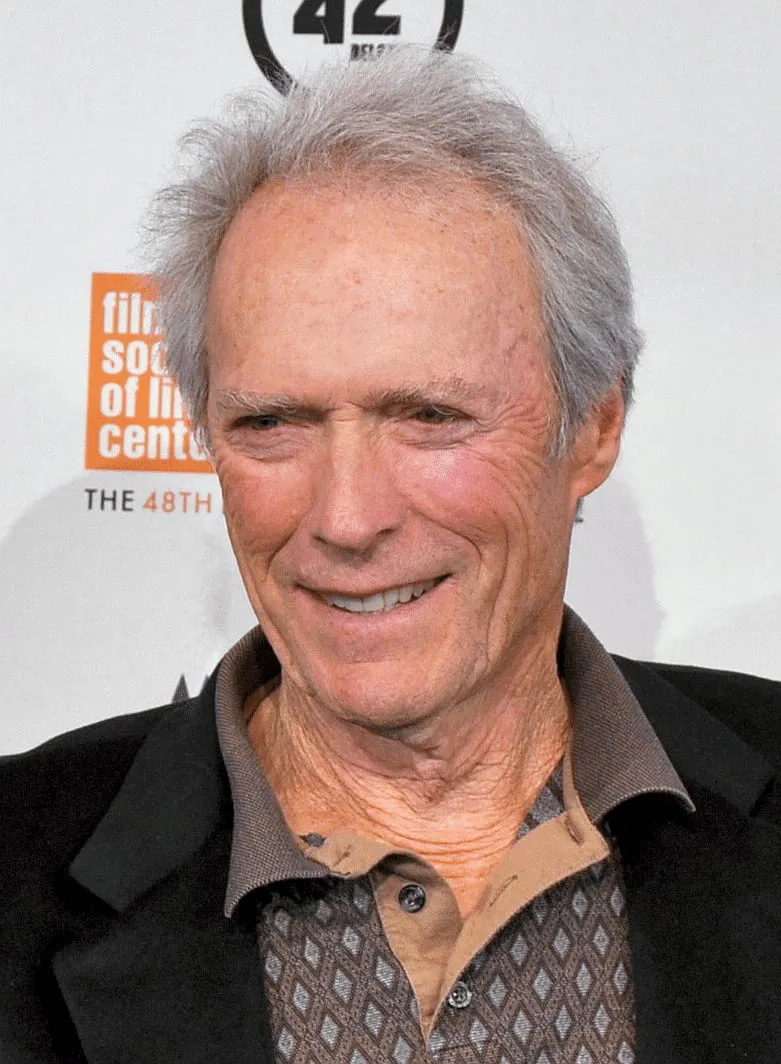
George Stevens’ influence extends to directors like Clint Eastwood, who acknowledged Stevens’ impact on his Westerns Pale Rider 1985 and Unforgiven 1992. In 2004, the centennial of his birth, the Academy of Motion Picture Arts and Sciences, the British Film Institute, and the Museum of Modern Art held retrospectives of his work.

Stevens received the Irving G. Thalberg Memorial Award in 1953 and has seven films in the National Film Registry. His films represent classical Hollywood cinema at its finest, combining humanism, technical innovation, and a deep engagement with American society.

Filmography.

FILMS · 8

The complete filmography of George Stevens — every film, TV show, and documentary credit, ranked by popularity.

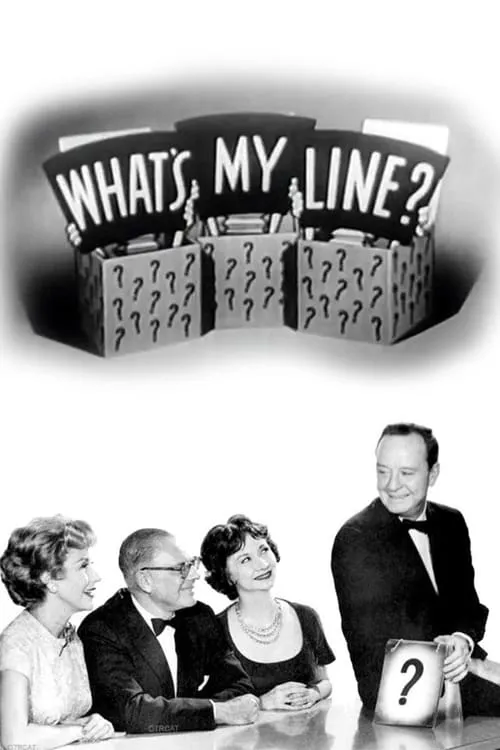
  1. TV Poster for What's My Line?

    What's My Line?

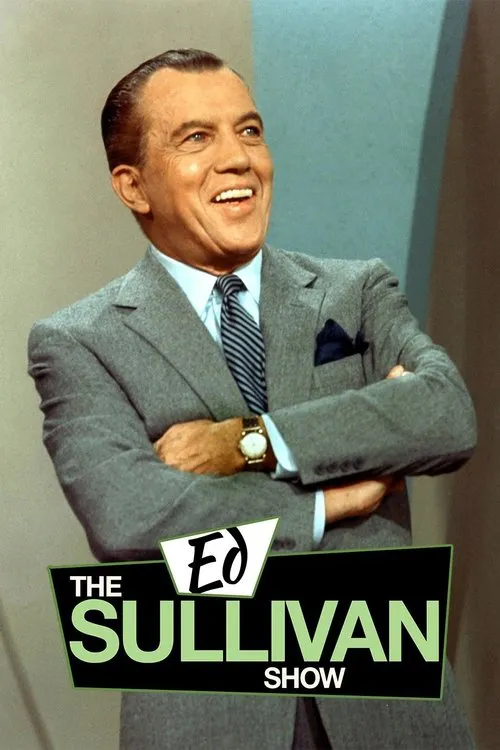
  2. TV Poster for The Ed Sullivan Show

    The Ed Sullivan Show

  3. Movie Poster for Shane

    Shane

  4. Movie Poster for Five Came Back

    Five Came Back

  5. Movie Poster for 1939: Hollywood's Greatest Year

    1939: Hollywood's Greatest Year

  6. Movie Poster for George Stevens and His Place in the Sun

    George Stevens and His Place in the Sun

  7. Movie Poster for Hollywood's Second World War

    Hollywood's Second World War

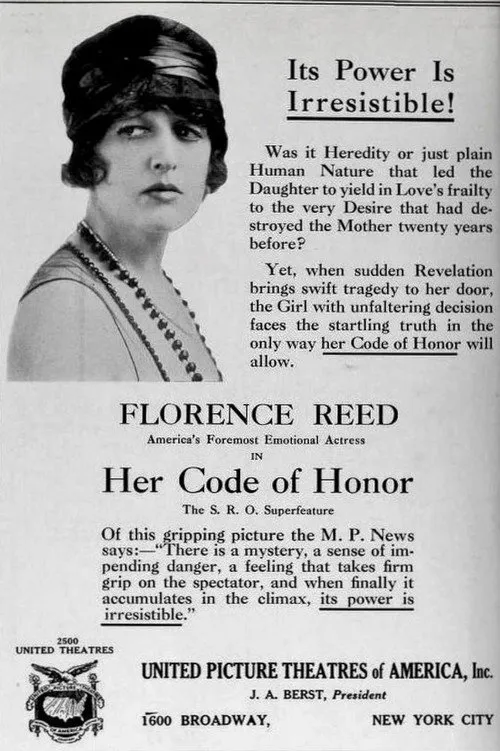
  8. Movie Poster for Her Code of Honor

    Her Code of Honor

Awards & honors.

AWARDS · 7

Every award, honor, and recognition received by George Stevens — Grammys, hall-of-fame inductions, civic honors, lifetime achievements.

  • Legionnaire of Legion of Merit
  • Directors Guild of America Award
  • Academy Award for Best Director 1951
  • Academy Award for Best Director 1956
  • National Board of Review Award for Best Film
  • star on Hollywood Walk of Fame
  • Irving G. Thalberg Memorial Award

Notable quotes.

QUOTES · 3

A wall of memorable lines from George Stevens — lyrics, interviews, and off-the-cuff remarks captured over a lifetime.

  • If a Director Is Lucky Enough to Work with Irene Dunne, His Worries Disappear. Every Scene She’s in Matches; She’s the Film Editor’s Delight. I Would Say She’s Just About as Careless as George Arliss.

  • War Is the Tenseness, the Eternal Waiting, the Warping or Ennobling of Character That Constant Strain Produces. to Me, the Greatest War Shot Is of a Taut G.I. in a Foxhole, Nervously Puffing a Cigarette. That’s War.

  • Only an Audience Can Give Validity to a Film, and as a Filmmaker You Are Constantly Searching for This Community of Acceptance. There’s Nothing Quite as Unresponsive as a White Sheet at the Far End of an Auditorium in Front of an Arrangement of Chairs. the Audience Gives a Film Credence, They Draw from Their Knowledge to Determine Whether What They’re Watching Is Valid. There Is Always That Moment of Truth When You’ve Finally Put the Film Together, and You’re Running It in a Theater and Being Subjected to What Could Be the Very Unfriendly Scrutiny of the Audience. Sometimes You Discover They’re with You, and That’s Great Pleasure. and Also During That Voyage of Discovery You’re Finding Where You’re Sailing a Different Course from the Audience, a Lesson That’s Not to Be Forgotten.

Did you know?

FACTS · 38

Little-known facts about George Stevens — origins, oddities, and behind-the-scenes details from a public life.

You wanted to know.

FAQ · 29

Quick answers to the questions readers ask most about George Stevens.

Audited & updated by

Olivia Brooks

Senior Staff Writer & Biography Editor

Olivia has 6 years of experience writing biographical profiles and still approaches every subject like it's the first one. She covers everyone from debut musicians to Hall of Fame athletes to novelists most people have never heard of. She finds something worth reading in all of them. Her drafts tend to come in already clean, which her editor appreciates. She says good writing is just good thinking written down. Hard to argue with that.

Report an issue

If something on this page looks off, we genuinely want to know about it. Send us a quick email with the celebrity's name, the detail that seems incorrect, and any sources you're referencing. We review every report and update the page as soon as we can.

Report an issue