-
01
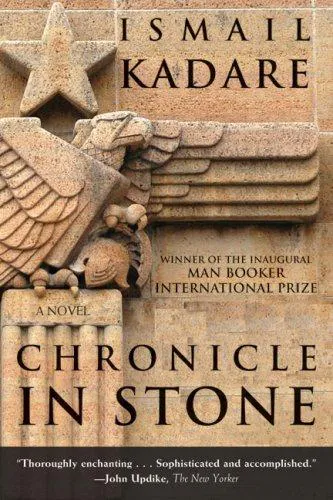
The Man Booker International Prize was first awarded to Kadare in 2005.
-
02
Kadare emigrated to France in 1990 because of the difficult political situation in Albania, but remains the country’s most important living author.
-
03
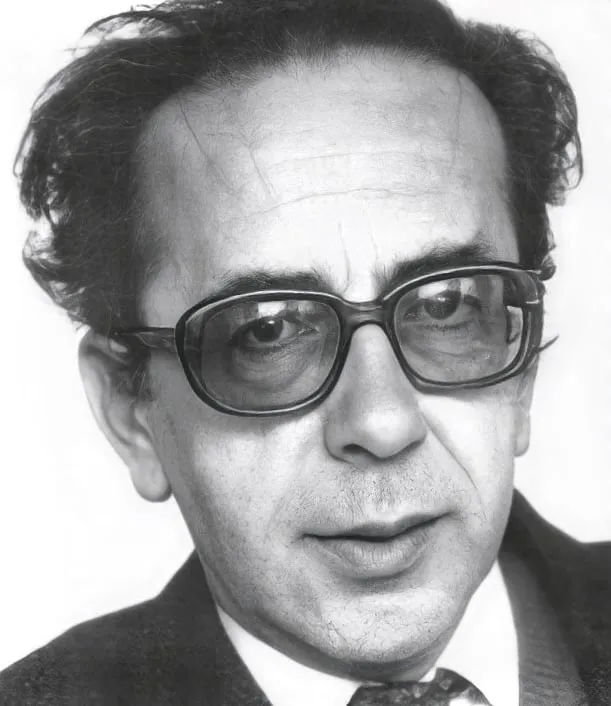
His portrait appeared on a 1-Euro Kosovar postage stamp issued December 20, 2016, celebrating his 80th birthday.
-
04
Romanian writer Renata Dumitrascu criticized Kadare’s career as built on a dubious premise, saying he was no Solzhenitsyn.
-
05
Kadare single-handedly put Albania onto the map of world literature through dark, allegorical works that obliquely criticized the totalitarian state.
-
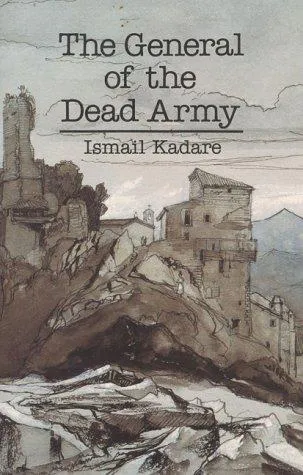
06
After studies at Tirana University, Kadare was sent to the Gorky Institute in Moscow, which he later called a factory for fabricating dogmatic hacks of socialist realism.
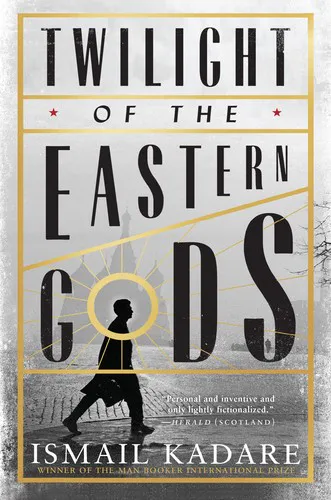
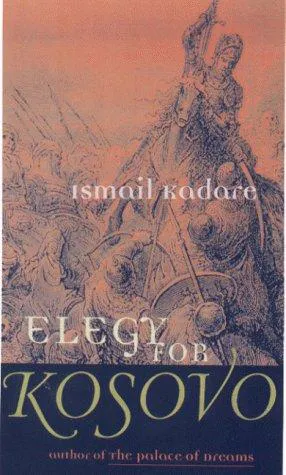
-
07
He won the 2020 Prozart Award from the PRO-ZA Balkan International Literature Festival for contributions to Balkan literature.
-
08
The London newspaper The Independent compared Kadare to Gogol, Kafka, and Orwell.
-
09
To protect his work, Kadare smuggled manuscripts to his French publisher Claude Durand in 1986.
-
10
In 2023 he won the America Award in Literature for a lifetime contribution to international writing.
-
11
Kadare’s works have been translated into 45 languages.
-
12
He received the President of the Republic of Albania Honor of the Nation Decoration and the French Cross of the Legion of Honor.
-
13
In 1975, after writing The Red Pashas, a poem criticizing Politburo members, Kadare was banished to a remote village and barred from publishing.
-
14
Some of his works were translated into English by David Bellos from French translations, not the Albanian original.
-
15
Oxford historian Noel Malcolm praised Kadare’s atmospheric density but chastised his defensiveness with critics.
-
16
When The General of the Dead Army was published in French in 1970, it took literary Paris by storm, drawing surveillance from dictator Enver Hoxha.
-
17
In 1965 the authorities banned Kadare’s second novel The Monster immediately after its publication.
-
18
Kadare examined contemporary society under Enver Hoxha through allegory and myth in novels like The General of the Dead Army, The Siege, and The Palace of Dreams.
-
19
Kadare’s name was floated several times for the Nobel Prize, but he never won.
-
20
To escape persecution in a country where over 6,000 dissidents were executed and 168,000 sent to prison or labor camps, Kadare walked a political tightrope, serving as a deputy in the People’s Assembly and member of the Writers Union.
-
21
In 1990 Kadare urged President Ramiz Alia to end human rights abuses and implement reforms, but was disappointed by the slow response.
-
22
Since the 1990s, Kadare was asked multiple times by major political parties to run for president, but he declined.
-
23
Citing a list of 100 intellectuals targeted for arrest by the Sigurimi, Kadare fled to Paris and claimed political asylum in 1990.
-
24
His Tirana apartment was converted into a museum in 2019.
-
25
He won the 2019 Park Kyong-ni Prize from South Korea for his literary career.
-
26
His daughter Besiana Kadare served as a United Nations Ambassador and UN General Assembly Vice-President.
-
27
In 1961 he published a poetry volume Shekulli im My Century, popular with Albanian youth. His future wife Helena sent a fan letter, leading to their marriage in 1963.
-
28
The New York Times wrote that Kadare was a national figure comparable to Mark Twain in the US, with hardly an Albanian household without a Kadare book.
-
29
Though born into a Muslim family, Kadare was an atheist.