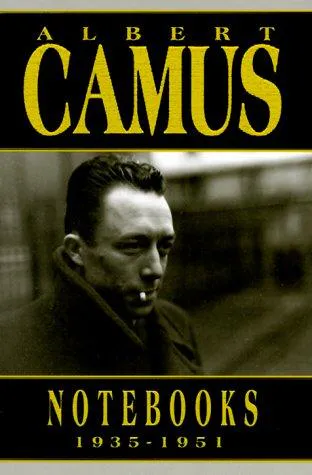
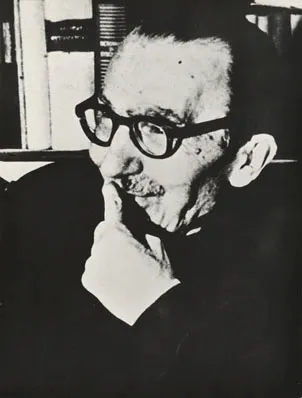
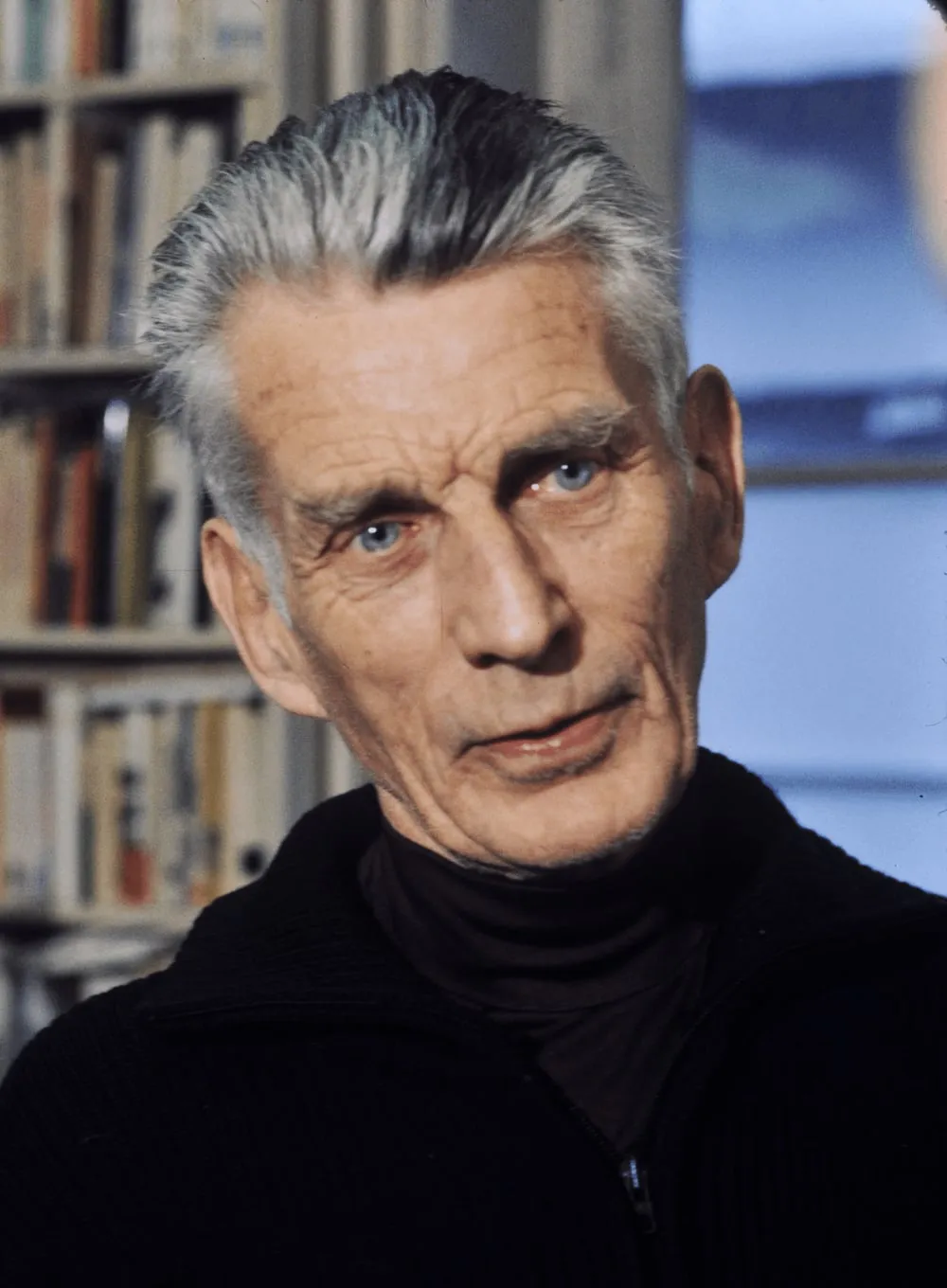
Albert Camus.

Albert Camus — Athlete
Born Mondovi, France
Died Villeblevin, France
Citizenship France
Would Be 112 yr If Living

12 min read

Reading time

2,392

Words

Published

8

Film credits

104

Books

2

Awards

TL;DR

Albert Camus died in a car accident on January 4, 1960, at age 46. He won the Nobel Prize in Literature in 1957. His works The Stranger 1942 and The Myth of Sisyphus 1942 defined absurdism.

Identity & family.

KIN · 5

Names, aliases, and relatives of Albert Camus — birth name, kin, and personal ties.

Parents
Lucien Auguste Camus
Spouses
Francine Faure Simone Hié
Children
Catherine Camus Jean Camus

At a glance.

STATS

Albert Camus by the numbers — life, work, and family.

46 Years lived
8 Film credits
104 Books
2 Awards
2 Marriages
2 Children

Who was Albert Camus?

BIOGRAPHY

Albert Camus — early life, career, personal life, and legacy.

Early life

World War I took Camus’s father, Lucien Auguste Camus, at the Battle of the Marne in 1914. His mother, Catherine Helene Sintes, a deaf-mute cleaning lady, raised him in Mondovi, Algeria, where he was born on November 7, 1913, to Spanish-French-Algerian colonists. From 1923 to 1932 he studied at the Algiers Lycee, then earned a philosophy degree from the University of Algiers in 1936. As a student he joined the French Communist Party in 1934, but left in 1936 to join the Algerian People’s Party, which led to a denunciation as a Trotskyite. That same year he completed his thesis on Plotinus’ theory of the One.

Career

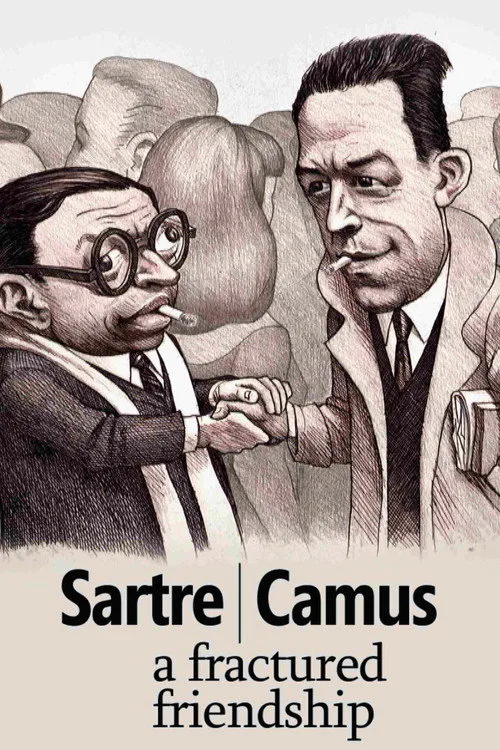
Camus wrote for Paris-Soir during World War II. His witness of Gabriel Peri’s execution in Paris under German occupation turned him against Nazism. He moved to Bordeaux and completed The Stranger and The Myth of Sisyphus, both in 1942, which open with his statement about suicide and the absurd. He joined the French Resistance cell Combat under the pseudonym Beauchard, editing its paper and reporting on the liberation of Paris in 1944. At Combat he met Jean-Paul Sartre, joining his Cafe de Flore circle until their split over Camus’s criticism of communism. In 1946 he lectured in the United States and Canada for three months, and in 1949 he spent three months lecturing in Brazil, Argentina, and Chile, where he fell ill. Tuberculosis forced him into seclusion from 1949 to 1951, during which he wrote The Rebel 1951, rejecting communism and violent utopianism. His 1956 novel The Fall uses a judge-penitent character to challenge readers about absurdity.

Personal life

In 1934 Camus married Simone Hié, a morphine addict; the marriage ended due to mutual infidelity. In 1940 he married pianist and mathematician Francine Faure. Faure had an affair with actress María Casares; Camus tolerated it. Francine gave birth to twins Catherine and Jean in 1945. Tuberculosis, contracted in the 1930s, caused Camus’s rejection from the French army. He had an intense fear of automobiles and preferred trains, yet he died in a car accident.

Legacy

Albert Camus won the Nobel Prize in Literature in 1957, becoming the second-youngest recipient at that time. David Greig adapted his play Caligula for the Donmar Warehouse, earning a Laurence Olivier Award nomination for Best Revival in 2003. Jordan Mohr’s Hollywood Mouth trilogy references Camus. Camus’s absurdist philosophy, from The Myth of Sisyphus and The Stranger, influenced literature and existential thought. He demonstrated his commitment to human rights by resigning from UNESCO in 1952 and protesting Soviet repression in Hungary in 1956.

Filmography.

FILMS · 8

The complete filmography of Albert Camus — every film, TV show, and documentary credit, ranked by popularity.

  1. TV Poster for At War for Algeria

    At War for Algeria

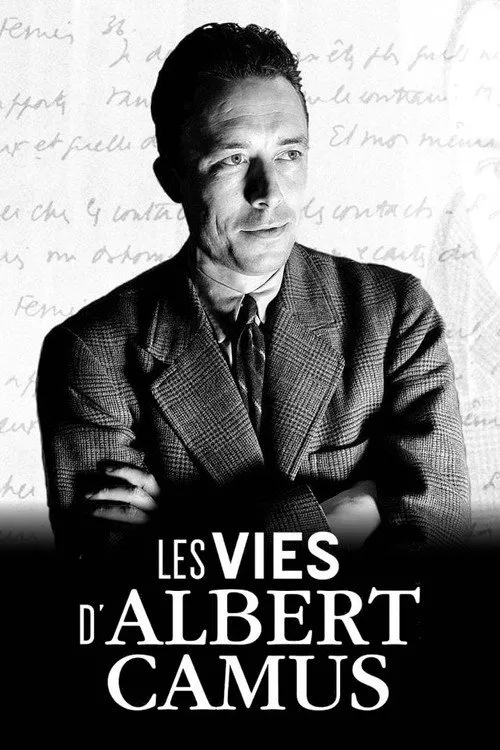
  2. Movie Poster for The Lives of Albert Camus

    The Lives of Albert Camus

  3. Movie Poster for Amour De Vivre

    Amour De Vivre

  4. Movie Poster for Maria Casarès and Albert Camus, You, My Life

    Maria Casarès and Albert Camus, You, My Life

  5. Movie Poster for Albert Camus

    Albert Camus

  6. Movie Poster for Cretinália

    Cretinália

  7. Movie Poster for Camus, L'icône De La Révolte

    Camus, L'icône De La Révolte

  8. Movie Poster for Sartre/Camus: a Fractured Friendship

    Sartre/Camus: a Fractured Friendship

Awards & honors.

AWARDS · 2

Every award, honor, and recognition received by Albert Camus — Grammys, hall-of-fame inductions, civic honors, lifetime achievements.

  • Nobel Prize in Literature
  • Resistance Medal

Bibliography.

BOOKS · 104

Albert Camus's bibliography — every authored, edited, and co-written book, ranked by edition count.

  1. Cover for L’étranger

    L’étranger

    by Albert Camus

  2. Cover for La Peste

    La Peste

    by Albert Camus

  3. Cover for La Chute

    La Chute

    by Albert Camus

  4. Cover for Le Mythe De Sisyphe

    Le Mythe De Sisyphe

    by Albert Camus

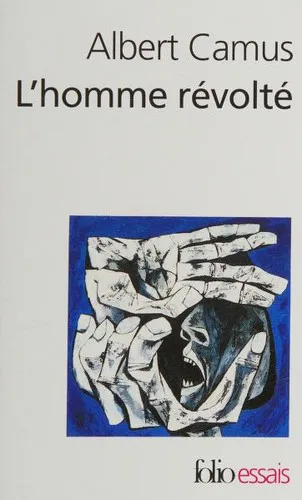
  5. Cover for L'Homme Révolté

    L'Homme Révolté

    by Albert Camus

  6. Cover for L'exil Et Le Royaume

    L'exil Et Le Royaume

    by Albert Camus

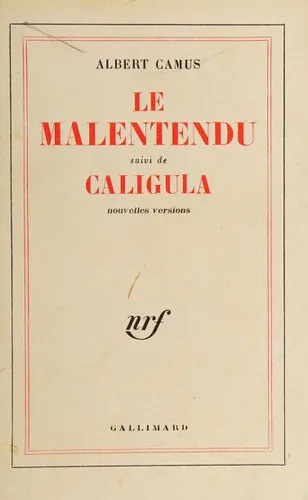
  7. Cover for Caligula, Suivi De Le Malentendu

    Caligula, Suivi De Le Malentendu

    by Albert Camus

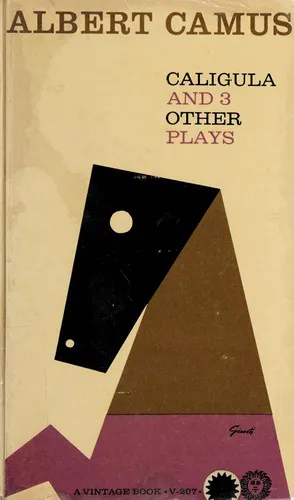
  8. Cover for Plays (Caligula / Malentendu / L'État De Siège / Justes)

    Plays (Caligula / Malentendu / L'État De Siège / Justes)

    by Albert Camus

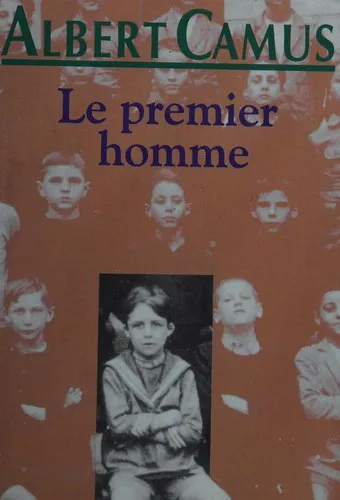
  9. Cover for Le Premier Homme

    Le Premier Homme

    by Albert Camus

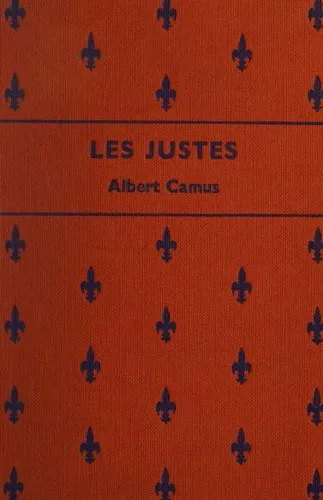
  10. Cover for Les Justes

    Les Justes

    by Albert Camus

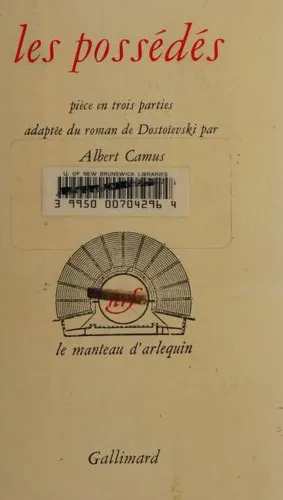
  11. Cover for Les Possédés

    Les Possédés

    by Albert Camus

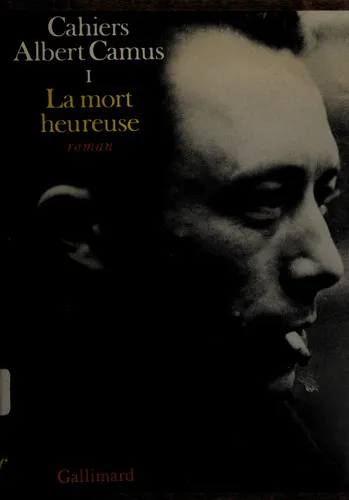
  12. Cover for La Mort Heureuse

    La Mort Heureuse

    by Albert Camus

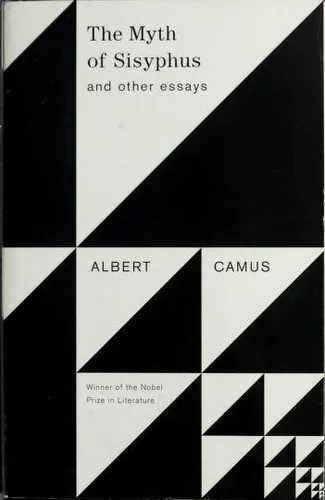
  13. Cover for The Myth of Sisyphus and Other Essays

    The Myth of Sisyphus and Other Essays

    by Albert Camus

  14. Cover for Carnets

    Carnets

    by Albert Camus

Showing 14 of 104 View all 104 books

Notable quotes.

QUOTES · 30

A wall of memorable lines from Albert Camus — lyrics, interviews, and off-the-cuff remarks captured over a lifetime.

Did you know?

FACTS · 5

Little-known facts about Albert Camus — origins, oddities, and behind-the-scenes details from a public life.

  1. Albert Camus had intense motorphobia, a fear of automobiles, and thus avoided riding in cars whenever possible, preferring trains. Ironically, he died in a car accident with a return train ticket in his coat pocket.

  2. In 1957 he won the Prix Nobel de Litterature.

  3. His play Caligula was adapted into a new translation by David Greig and staged at the Donmar Warehouse, earning a 2004 Laurence Olivier Theatre Award nomination for Best Revival of 2003.

  4. References to Camus appear in the Hollywood Mouth trilogy of films directed by Jordan Mohr, who also played Simone de Beauvoir, one of Camus’s fellow existentialists.

  5. His biography and bibliography are included in Contemporary Authors, New Revision Series, Vol. 131, pages 52-60, published by Thomson Gale in 2005.

You wanted to know.

FAQ · 30

Quick answers to the questions readers ask most about Albert Camus.

Audited & updated by

Olivia Brooks

Senior Staff Writer & Biography Editor

Olivia has 6 years of experience writing biographical profiles and still approaches every subject like it's the first one. She covers everyone from debut musicians to Hall of Fame athletes to novelists most people have never heard of. She finds something worth reading in all of them. Her drafts tend to come in already clean, which her editor appreciates. She says good writing is just good thinking written down. Hard to argue with that.

Report an issue

If something on this page looks off, we genuinely want to know about it. Send us a quick email with the celebrity's name, the detail that seems incorrect, and any sources you're referencing. We review every report and update the page as soon as we can.

Report an issue