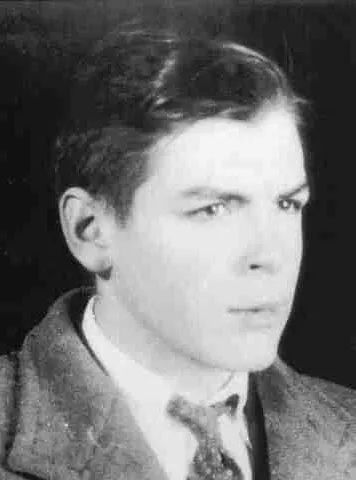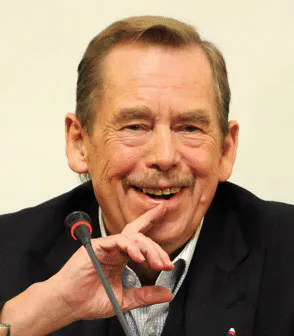
Václav Havel Profile & Biography

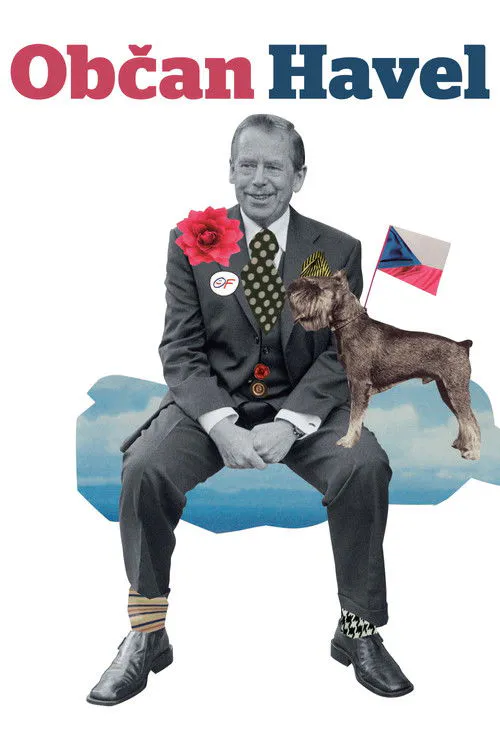
Václav Havel

Born: October 5, 1936
Died: December 18, 2011
Václav Havel, a key figure in Czechoslovakia's transition to democracy, was a playwright, essayist, dissident, and eventually the first president of the post-co

Who is Václav Havel?

Václav Havel (October 5, 1936 – December 18, 2011) was a pivotal figure in the history of Central Europe. His life spanned from the height of communism to the dawn of democracy and his role as playwright, essayist, dissident, and politician left an indelible mark on Czech society.
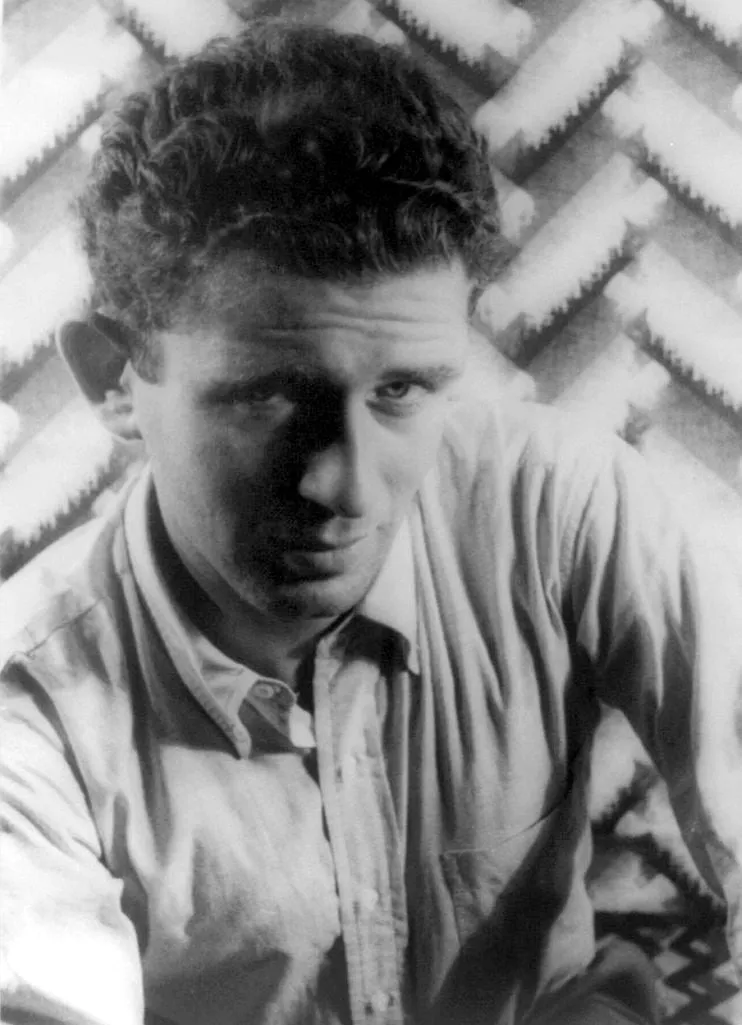
Born into a well-to-do family, Havel faced significant challenges early on due to changes in political climate. His father, Václav M. Havel, was a successful businessman who owned a private airline; however, the communist regime confiscated the business when Havel was just eight years old. Despite this adversity, Havel pursued his passion for writing and graduated from high school before being denied entry into university due to the political climate.

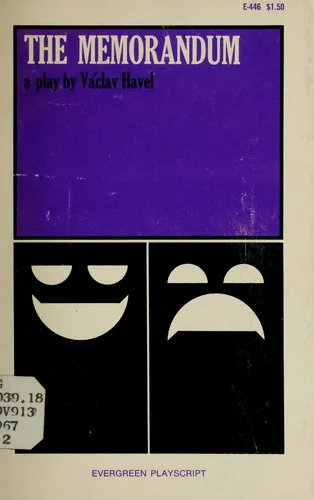
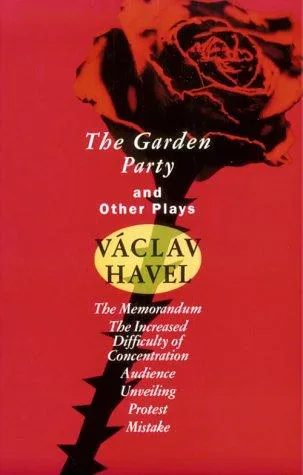
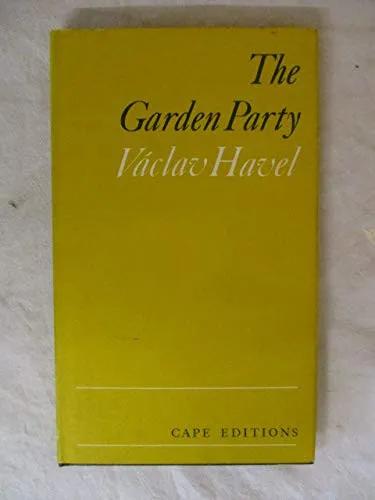
In 1956, he began working at a chemical laboratory but continued pursuing theater. His early plays such as The Garden Party (1963) and The Memorandum (1965), which satirized communist bureaucracy, gained him recognition in the Czech literary scene. Havel’s career flourished until 1968 when Soviet tanks rolled into Prague to crush the Prague Spring reforms. His work was banned thereafter.

Havel emerged as a leading figure in the resistance against communism during the 1970s and ’80s, often under house arrest or in prison for his activities. He founded Charter 77, an initiative that advocated for human rights and democracy, which brought him international attention and awards such as the International Peace Prize.

His political career began in earnest after the Velvet Revolution of November 1989 when he was elected president of Czechoslovakia’s first post-communist parliament. He served until 2003 as the founding President of the Czech Republic following its peaceful split from Slovakia in 1993.

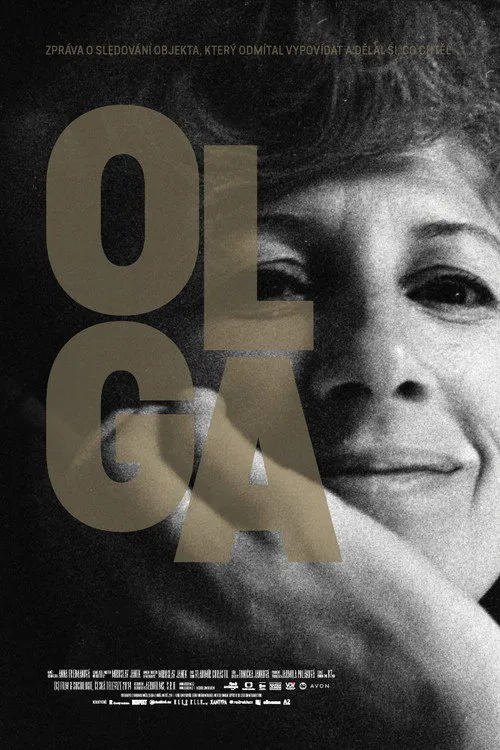
Throughout his life, Havel was married twice: to Olga Havlová (died in 1996) and later to Dagmar Havlová. He had no children but was a father figure to many dissidents and artists who looked up to him for guidance during the oppressive communist era.

His legacy is profound, as he transformed from an avant-garde playwright into a leader of his nation without ever compromising his artistic vision or moral principles. Havel’s death in 2011 was mourned worldwide, with thousands attending his funeral in Prague’s historic St. Vitus Cathedral to pay their respects.

Common Questions

What were some of Václav Havel's notable plays?
Some of Václav Havel's most famous works include The Garden Party (1963) and The Memorandum (1965), which satirized the absurdities of communist bureaucracy.
How did Václav Havel become president?
Václav Havel became president after being elected as chairman of Czechoslovakia's first post-communist parliament in 1989 following the Velvet Revolution. He served until 2003, becoming the founding President of the Czech Republic.
What was Charter 77?
Charter 77 was an initiative founded by Václav Havel and others advocating for human rights and democracy in Czechoslovakia during the communist era. It brought international attention to their cause.
Who were Václav Havel's wives?
Václav Havel was married twice: first to Olga Havlová from 1964 until her death in 1996, and later to Dagmar Havlová.

People Also Viewed