-
01
His family noted that he rarely thought about anything other than films. At home, he often sat silently, apparently composing shots in his head.
-
02
Although the Japanese press portrayed him as a tyrant, most of his casts and crews described him as a cool and detached presence on set. Many also called him intense.
-
03
American and European filmmakers have copied and remade his films. Examples include The Magnificent Seven 1960 a remake of Seven Samurai which Kurosawa loved, A Fistful of Dollars 1964 an unofficial remake of Yojimbo leading to a lawsuit he won, and Star Wars: Episode IV – A New Hope 1977 heavily influenced by The Hidden Fortress.
-
04
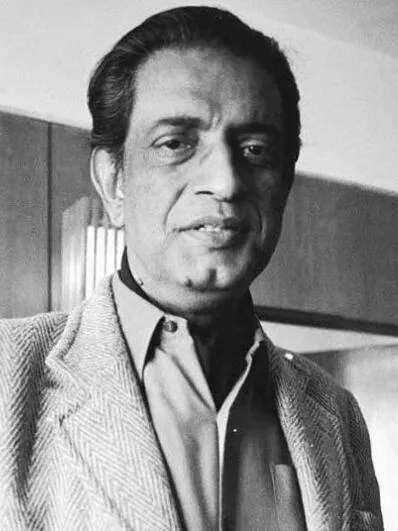
Entertainment Weekly ranked him the 6th greatest director of all time, the highest ranking non-American on a list of 50, with Satyajit Ray also as one of two Asians at 25th.
-
05
Standing 6 feet tall, he towered over his Japanese colleagues.
-
06
Unable to secure film financing for a period, he directed and appeared in Japanese television commercials.
-
07
Jin Usami produced many of his early films and served as chief assistant director on Snow Trail, the debut of Toshiro Mifune.
-
08
He fathered a son, Hisao, born December 20, 1945, and a daughter, Kazuko, born April 29, 1954, who became an award-winning costume designer.
-
09
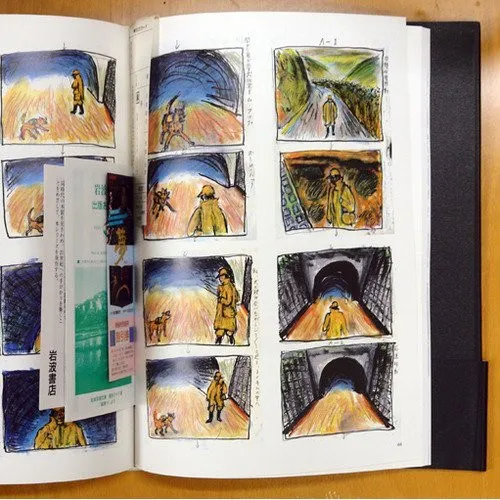
Before film, he pursued painting and later created painted storyboards, especially as his eyesight declined. His painting style was influenced by Paul Cézanne, Marc Chagall, and Vincent van Gogh.
-
10
Sayuri Tanima, wife of producer Jin Usami, starred in several of Kurosawa’s early films.