-
01
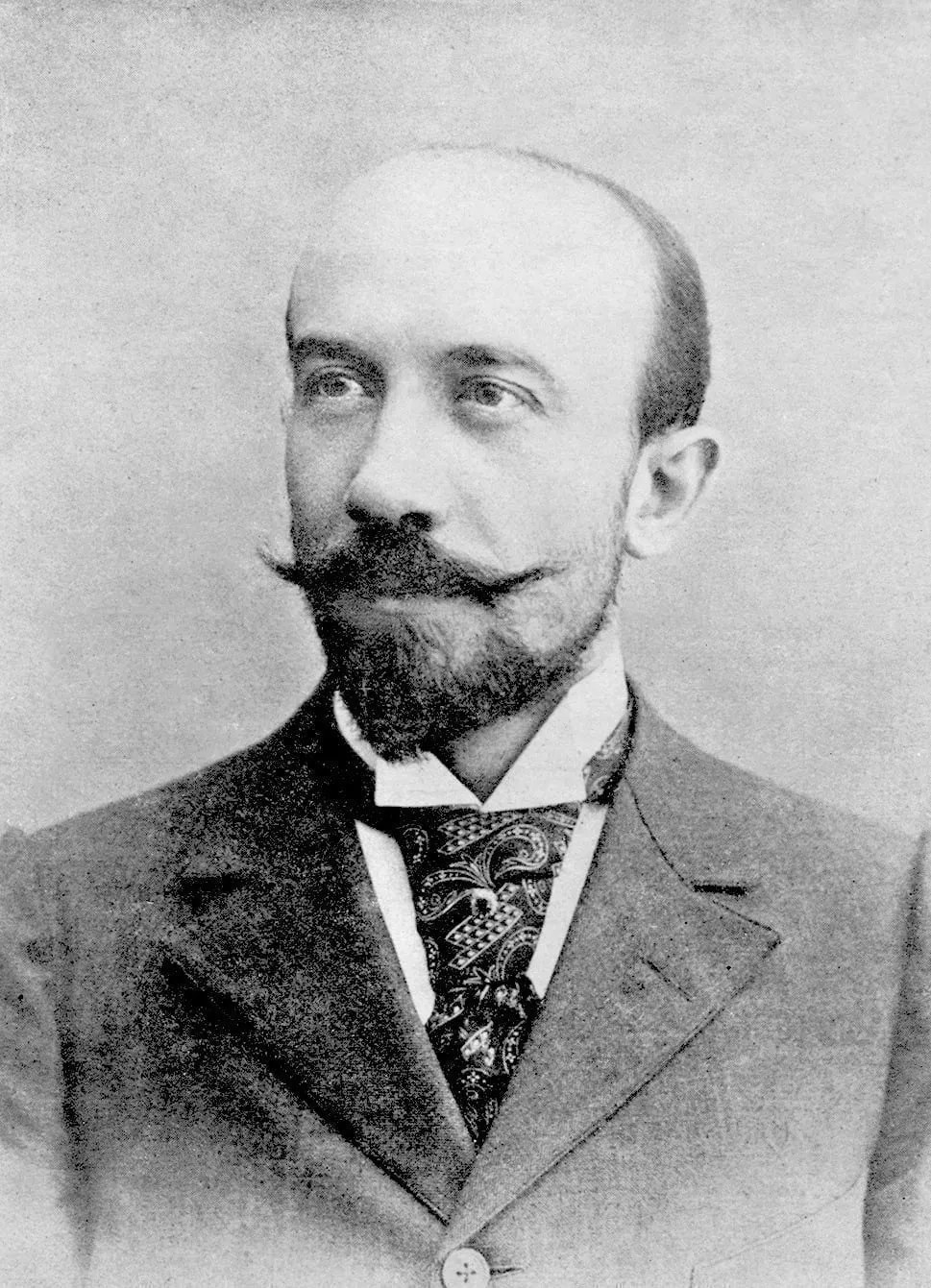
While shooting a life scene at Place de l’Opera in Paris, his camera jammed; upon screening, he saw a bus transform into a hearse and people appear or disappear, leading to his discovery of stop motion trickery, though Thomas Edison had used it earlier.
-
02
Charles Chaplin said Méliès was the alchemist of light.
-
03
Martin Scorsese said Méliès invented everything, basically everything.
-
04
On December 28, 1895, Méliès was part of the first audience to see the Lumiere brothers’ Cinematographe.
-
05
He is the father of special effects.
-
06
He built the first movie studio in Europe.
-
07
By the time he left film production in 1913, he had created over 500 films.
-
08
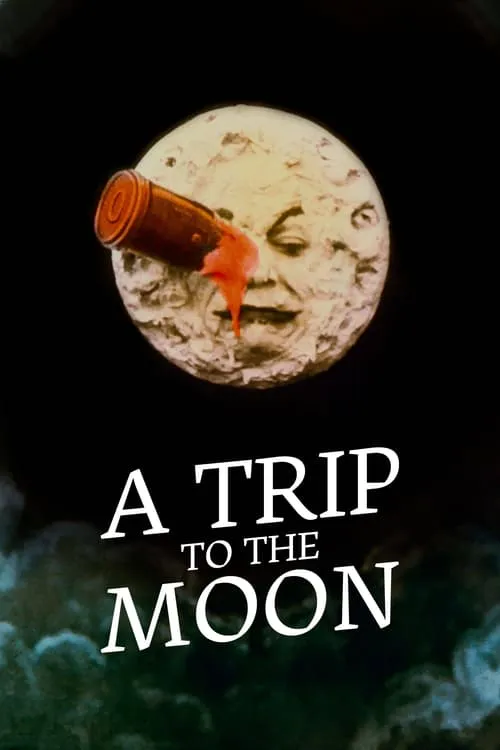
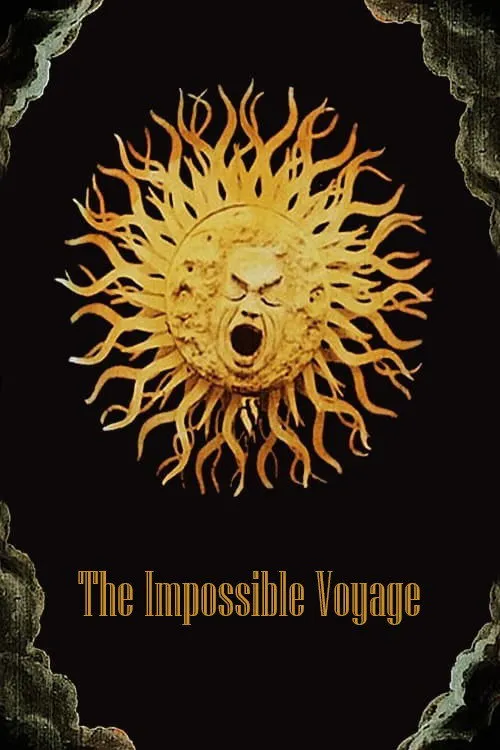
He was cinema’s first real fantasist and the absolute greatest fictional fantasist of his time.
-
09
He was the first filmmaker to use production sketches and storyboards.
-
10
D.W. Griffith said about Méliès, I owe him everything.
-
11
In 1898, he showed the first versions of movie trailers by projecting images above the entrance of the Théâtre Robert Houdin in Paris.
-
12
His movie studio was made entirely out of glass.
-
13
Because the United States was an important market, his company had an office there, and many of his production sketches and storyboards were captioned in English as well as French.
-
14
When he discontinued film production, Méliès reportedly destroyed the original elements of most of his films.
-
15
Before motion pictures, he worked as a conjurer, illusionist, and theater owner/manager, which fueled his cinematic imagination; unlike the Lumieres, he saw cinema as a vehicle for escape, not just recording reality.
-
16
The French surrealist movement in the 1920s rediscovered his surviving films, leading to the acknowledgment of his contributions and his being awarded the Legion of Honor in 1931.
-
17
He worked with two engineers at his theatre workshop to build a camera of his own; the first prototype weighed over 75 pounds.
-
18
He had all of his early equipment custom made from designs of others, notably the Lumiere’s, that he improved on.
-
19
His grave is in the Père Lachaise cemetery in Paris, France.
-
20
The Théâtre Robert-Houdin was closed in 1914 due to World War I, leading to his bankruptcy.
-
21
His first films were simple life scenes in single frame shots added to the program at his theatre, later he filmed scenes of himself doing magic tricks.
-
22
After his film career declined and ended in the early 1910s, he worked at a small candy and toy stand owned by his second wife Jehanne d’Alcy in the main hall of the Gare Montparnasse railway station.
-
23
He was also one of the first filmmakers to use storyboards; his films include A Trip to the Moon 1902 and The Impossible Voyage 1904, both involving strange, surreal journeys in the style of Jules Verne, and are among the most important early science fiction films.
-
24
His brother Gaston Méliès helped in screenplays and film productions, opening a sales office in New York City in 1903; after bankruptcy, younger brother Henri Méliès helped run the family shoe factory in London.
-
25
He founded the Théâtre Robert-Houdin in France in 1896, which played most of his films.
-
26
After completing his education, Méliès joined his brothers in the family shoe business, where he learned how to sew.
-
27
On May 3, 2018, Google honored Méliès with its first ever virtual reality doodle.
-
28
He tried to buy Cinematographe equipment from the Lumieres but they refused; he entered filmmaking by buying a projector from Robert W. Paul and a Bioscope camera.
-
29
He was father of Georgette Méliès and André Méliès.
-
30
After three years of mandatory military service, his father sent him to London as a clerk, where he visited the Egyptian Hall run by London illusionist John Nevil Maskelyne, developing a lifelong passion for stage magic.
-
31
The Melies studio in Montreuil was destroyed in December 1945, though Henri Langlois rescued a number of historic objects from the building.
-
32
Although he never made another film after 1912 or staged another theatrical performance after 1923, he continued to draw, write to and advise younger filmmakers until the end of his life.
-
33
He produced The Coronation of King Edward VII enacting the actual event for British release on Coronation Day.